
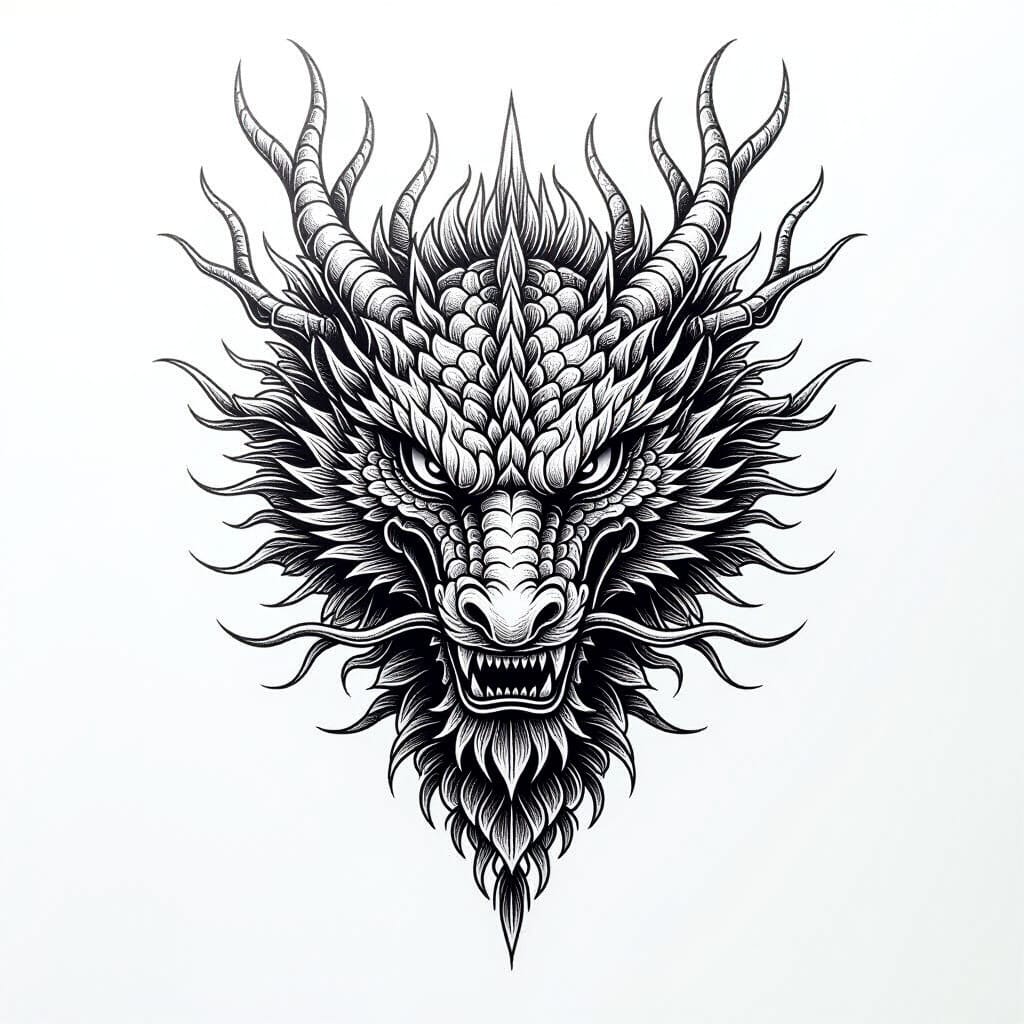
Tattoos have come a long way from the days of stick figures and questionable tribal bands. Now, we’re diving into the tiny world of micro realism—where less is definitely more, and details are so sharp they could cut glass. If you’ve ever squinted at a tattoo wondering how on earth it fits so much detail in such a small space, you’re in the right place.
Micro realism tattoos are like the miniature masterpieces of the ink world. They pack a punch with delicate lines and lifelike shading, all on a canvas barely bigger than a postage stamp. But don’t let their size fool you—these tattoos demand serious precision and a steady hand (and maybe a magnifying glass). Let’s explore what makes micro realism tick and why it’s capturing the hearts of tattoo lovers everywhere.
Materials and Tools Needed for Micro Realism Tattoo Design
Micro realism tattooing demands precision and the right tools to capture those tiny details with lifelike clarity.
Essential Tattooing Equipment
We rely on high-quality tattoo machines with adjustable speeds to control fine needle movements. Power supplies that maintain steady voltage keep needle performance consistent. Grip tubes with ergonomic designs reduce hand fatigue, crucial when working on minuscule, intricate designs that refuse to stay still.
Recommended Tattoo Needles for Micro Realism
We use single round liner needles or 3 to 5 round liner groups to achieve crisp lines and sharp details. Magnums with tightly packed configurations serve well for delicate shading without blurring. Avoid large needle clusters; for micro realism, less is unquestionably more.
Best Ink Types for Fine Detail Work
We select high-pigment, low-viscosity inks for clean, vivid lines and subtle shading. Black and gray inks dominate since they hold detail better over time. Vegan inks or those with certified non-toxic ingredients help skin breathe amid those tiny masterpieces.
Safety and Hygiene Supplies
We stock sterile disposable gloves, single-use needle cartridges, and disposable barriers to prevent cross-contamination. Autoclaves for sterilizing reusable equipment comply with health standards while fresh disposable supplies support infection control. Clean workstations with hospital-grade disinfectants top off the hygiene essentials.
Designing Your Micro Realism Tattoo
Crafting micro realism tattoos requires more than just skill; it demands thoughtful design choices and precise preparation.
Choosing the Right Subject for Micro Realism
Pick subjects with clear, bold features that translate well into tiny, intricate designs. Animals like owls or bees, tiny objects like watches or jewelry, and simple portraits work best. Avoid overly complex scenes because clutter looks like a mess at a micro scale.
Creating Detailed Tattoo Sketches
Produce highly detailed sketches that emphasize sharp lines and subtle shading. Use fine-point tools or digital zoom features to capture every wrinkle, whisker, or stitch. Precision in sketches ensures the micro tattoo looks stunning up close and tiny.
Scaling Down Designs Without Losing Detail
Shrink designs proportionally, focusing on preserving distinctive elements. Simplify background details and enhance contrast between light and dark areas. If too many details vanish at a small size, prioritize the subject’s defining features to maintain clarity.
Using References and Photo Sources
Gather multiple high-resolution photos from different angles to understand the subject fully. Use these references to replicate realistic textures, shadows, and highlights. Reliable photo sources prevent guesswork and ensure consistency throughout the tattoo design.
Techniques for Micro Realism Tattooing
Mastering micro realism tattooing starts with perfecting techniques that handle tiny spaces with huge detail. Our precision and control transform small canvases into lifelike works of art.
Line Work Precision and Tips
Achieve crisp lines by using single round liner needles or tightly grouped liners. Begin each line with a steady hand while maintaining consistent speed and angle. Avoid abrupt movements since they cause shaky or uneven lines. Repeat fine lines slowly only if necessary because overworking skin blurs detail instead of enhancing it. Use magnification tools to monitor micro-scale strokes because our eyes alone don’t cut it. Lastly, keep your machine calibrated to low voltage for smoother, delicate lines that don’t scream “over-caffeinated.”
Shading and Gradation Techniques
Create smooth gradients using tightly packed magnum needles running at lower speeds. Start shading at lighter tones by layering thin passes to build depth gradually and prevent blotches. Switch needle groupings for different textures—round shaders for soft shadows and magnums for broad tonal washes. Blend shades while skin is still receptive since fading happens quickly on a miniature canvas. Employ consistent hand movement and maintain needle angle around 45 degrees to avoid patchiness. Remember, shading in micro realism favors subtlety over bold strokes.
How to Achieve Fine Detail and Texture
Use single needles or small clusters for the most intricate details like pores, whiskers, or micro-patterns. Rely on high-quality black and gray inks with low viscosity to guarantee sharp contrasts and crisp spots. Mimic textures by varying dot density and line thickness—tighter dots for smooth surfaces and spaced dots for rough or furry appearances. Pause frequently to assess detail clarity because zooming out reveals if tiny elements pop or flop. We recommend practicing on synthetic skin since overcommitment to detail can muddy the design fast.
Needle Depth and Pressure Control
Penetrate skin precisely between 1.5 to 2 millimeters depth, neither skimming nor plunging deeply. Apply gentle pressure to avoid ink blowouts or unnecessary trauma, since overpressure spreads ink uncontrollably. Modulate pressure dynamically when crossing curves or bony spots to maintain ink consistency. Use your machine’s adjustable settings and hand control to handle delicate spots gracefully. Remember, mastering depth and pressure makes the difference between a microscopic masterpiece and a fuzzy mess.
Step-by-Step Process of Creating a Micro Realism Tattoo
Creating a micro realism tattoo demands extreme precision and patience. We break down the process into four essential steps to keep our ink game sharp and our clients happy.
Preparing the Skin and Stencil Application
First up is prepping the skin. We shave the area extra close to create a smooth canvas and clean it with an antiseptic solution to kick bacteria to the curb. Applying the stencil involves transferring the detailed design with care; placing it perfectly is key because tiny misalignments throw off the whole masterpiece. After letting the stencil dry—patience is a virtue here—we double-check the placement with the client. No surprises allowed.
Executing the Outline
Outlining is where we channel our inner Jedi. Using a single round liner needle, we trace the smallest lines with laser-focused precision. Keeping a steady hand prevents those dreaded wobbly lines that could age us prematurely. We adjust needle depth to avoid blowouts—too deep and the ink spreads like bad gossip; too shallow and the lines vanish with a blink.
Layering Shading and Textures
Shading enters the scene gently; we work in layers using tightly packed magnum needles to build depth without flooding the area. Achieving lifelike texture means we blend black and gray inks subtly, allowing gradients to whisper instead of shout. Patience is our ally again—rushing this step results in muddy messes rather than micro marvels. We also vary needle speed and pressure to mimic natural light and shadows, crafting realism by the millimeter.
Final Touches and Highlights
Final touches call for delicate highlights using white ink sparingly. A few strategically placed dots or lines bring the tattoo off the skin and into the realm of “Whoa that looks real.” We inspect every millimeter under bright light to catch missed spots or harsh edges. Touch-ups happen immediately if necessary because in micro realism, perfection is not optional; it’s a way of life.
Aftercare for Micro Realism Tattoos
Micro realism tattoos demand more care than your average ink job because tiny details can vanish faster than free snacks at a party. Taking immediate and consistent care ensures those delicate lines and shading stay sharp and alive.
Immediate Post-Tattoo Care
Keep your micro masterpiece covered with a sterile bandage for at least 2 to 4 hours right after the session unless your artist specifies otherwise. Gently wash the tattoo with lukewarm water and a fragrance-free, mild soap twice daily without scrubbing. Pat it dry softly using a clean towel or air dry like a pro avoiding any rubbing. Apply a thin layer of tattoo-specific ointment or unscented moisturizer 2 to 3 times daily for the first 3 days to lock in hydration without suffocating the skin. Resist the urge to pick or scratch even if it itches because every peel risks smudging the fine details.
Long-Term Maintenance Tips
Shield your micro realism tattoo from direct sunlight by applying broad-spectrum SPF 30 or higher sunscreen whenever exposed to daylight. Moisturize daily with lotion free of dyes and fragrances to keep the skin supple and detail crisp. Avoid soaking the tattoo in pools, hot tubs, or baths for at least 2 weeks to prevent fading and infection. Wear loose breathable clothing over the tattoo area to prevent irritation but avoid tight gear that might rub your delicate art into oblivion. Schedule touch-ups within 6 to 12 months since micro tattoos can lose sharpness over time due to natural fading.
How to Protect Fine Details During Healing
Gentle hands and patience preserve the intricate strokes of micro realism tattoos best. Keep the tattoo clean and moisturized using light pressure only when applying products. Skip heavy creams or anything thick and occlusive during healing as they might blur textures. Avoid strenuous workouts or activities causing heavy sweating for at least 7 days since sweat can disrupt ink and healing. Sleep on your back or the opposite side of the tattoo to prevent unwanted smudging or friction when your skin is vulnerable. Regularly monitor for signs of infection like excessive redness or swelling and consult your artist or a dermatologist immediately if any arise.
Common Challenges and Troubleshooting
Micro realism tattooing tests our patience and skill with tiny canvases that demand perfection. Tackling common issues like ink bleeding, design slip-ups, and skin stress ensures our mini masterpieces stay sharp and stunning.
Dealing with Ink Bleeding or Blurring
We confront ink bleeding or blurring by controlling needle depth precisely. Shallow needle penetration causes ink to spread under the skin while too deep disrupts ink placement and skin layers. Using single round liners for outlines and tight magnums for shading minimizes ink migration. We adjust machine speed and needle pressure to match skin type because heavier pressure worsens bleeding. If bleeding happens mid-session we pause to clean gently and reduce needle depth before continuing. Post-tattoo care includes advising clients to avoid tight clothing and excessive moisture since both increase blurring risk.
Fixing Design Errors and Touch-Ups
We address design errors and touch-ups with steady hands and patience. Minor line irregularities get corrected by carefully re-lining with a fine single needle, avoiding overworking surrounding areas. Small shading fixes require layering light washes gradually instead of heavy coverage at once. If essential details get lost due to scaling down we redraw precise stencils matching high-res photo references before retouching. Post-healing touch-ups happen four to six weeks after the initial tattoo ensuring the skin has fully settled, preventing ink displacement when correcting detail loss.
Avoiding Overworking the Skin
We prevent overworking the skin by limiting passes in any one area and allowing brief breaks during sessions to reduce irritation. Overworking causes swelling redness and damages dermal structures, blurring fine details essential for micro realism. We continuously monitor skin response adjusting needle speed and pressure accordingly. Using ergonomic grip tubes and stable hand positioning helps keep movements controlled, reducing repeated passes needed and preserving skin integrity. Clients get clear aftercare instructions stressing gentle handling to avoid additional trauma that would impact long-term clarity.
Tips and Best Practices for Micro Realism Tattoo Artists
Mastering micro realism requires more than just a steady hand and nice ink. We hone our skills with patience focus and constant practice to capture those tiny yet mighty details perfectly.
Building Patience and Focus
Building patience and focus forms the backbone of micro realism tattooing. We control every movement deliberately because rushing creates wobbly lines and blurry details. Sharpening focus involves short focused sessions rather than marathon marathons since our hands tire fast and precision dips quickly. Breathing steadily and taking micro breaks between fine details curb shaking and keep us sharp enough to paint a mini masterpiece.
Practicing on Artificial Skin or Paper
Practicing on artificial skin or paper provides a no-risk playground for skill sharpening. Artificial skin mimics real texture allowing us to experiment with shading depth line thickness and needle speeds without causing any client freakouts. Paper offers a casual way to sketch out intricate designs and practice smooth line flow which translates directly into better tattoo execution. We repeat practice drills religiously because every micron mastered boosts confidence and reduces expensive mistakes on actual skin.
Continuous Learning and Skill Improvement
Continuous learning and skill improvement fuel our growth as micro realism artists. We study emerging techniques and tools from online courses workshops podcasts and Instagram feeds loaded with tattoo guru wisdom. Trying new needles inks and machines expands our toolkit while analyzing our tattoos under magnification reveals tiny flaws to fix next time. We accept constructive critique eagerly since learning never stops and neither does the quest for pixel-perfect tattoos.
Conclusion
Micro realism tattoos may be tiny but they sure demand big dedication. It’s like trying to paint the Mona Lisa with a toothpick—precision, patience, and a steady hand are non-negotiable.
If you’re ready to dive into this miniature masterpiece world, remember it’s all about respecting the craft and embracing the challenge. After all, great things come in small, inked packages. Let’s keep pushing those boundaries, one tiny tattoo at a time!
Frequently Asked Questions
What is micro realism tattooing?
Micro realism tattooing is a style that features tiny, intricately detailed tattoos with lifelike shading. Despite their small size, these tattoos require high precision and skill to create realistic images.
Why are micro realism tattoos becoming popular?
They appeal due to their detailed, lifelike appearance in a discreet size, making them perfect for people who want meaningful tattoos without large, bold designs.
What tools are essential for micro realism tattoos?
High-quality tattoo machines, power supplies, ergonomic grip tubes, single round liner needles, and tightly packed magnum needles are essential for precision and fine shading in micro realism.
Which inks work best for micro realism tattoos?
High-pigment, low-viscosity black and gray inks are preferred because they ensure clarity, fine details, and long-lasting results in micro realism tattoos.
How do artists choose designs for micro realism tattoos?
Artists select subjects with clear, bold features like simple portraits or animals, using high-resolution photo references and detailed sketches to retain sharp lines and textures when scaling down.
What techniques are critical in micro realism tattooing?
Line work precision, smooth shading, controlling needle depth and pressure, and steady hand movements are vital to achieve the fine details and avoid ink blowouts.
What is the typical process for creating a micro realism tattoo?
It involves preparing the skin and stencil, carefully outlining, layering shading and textures, then adding delicate highlights to enhance the tattoo’s three-dimensional look.
How should micro realism tattoos be cared for after getting inked?
Keep the tattoo covered initially, wash gently, use tattoo-specific ointments, protect from sunlight, moisturize daily, avoid soaking in water, and monitor for infection to preserve fine details.
What challenges do micro realism tattoo artists face?
Common challenges include ink bleeding, design errors, and skin stress. These are managed by controlling needle depth, adjusting machine speed, and avoiding overworking the skin.
How can artists improve their micro realism tattoo skills?
Practice regularly on artificial skin or paper, focus on steady hand control, build patience, seek feedback, and stay updated on new techniques to continuously improve quality and precision.