
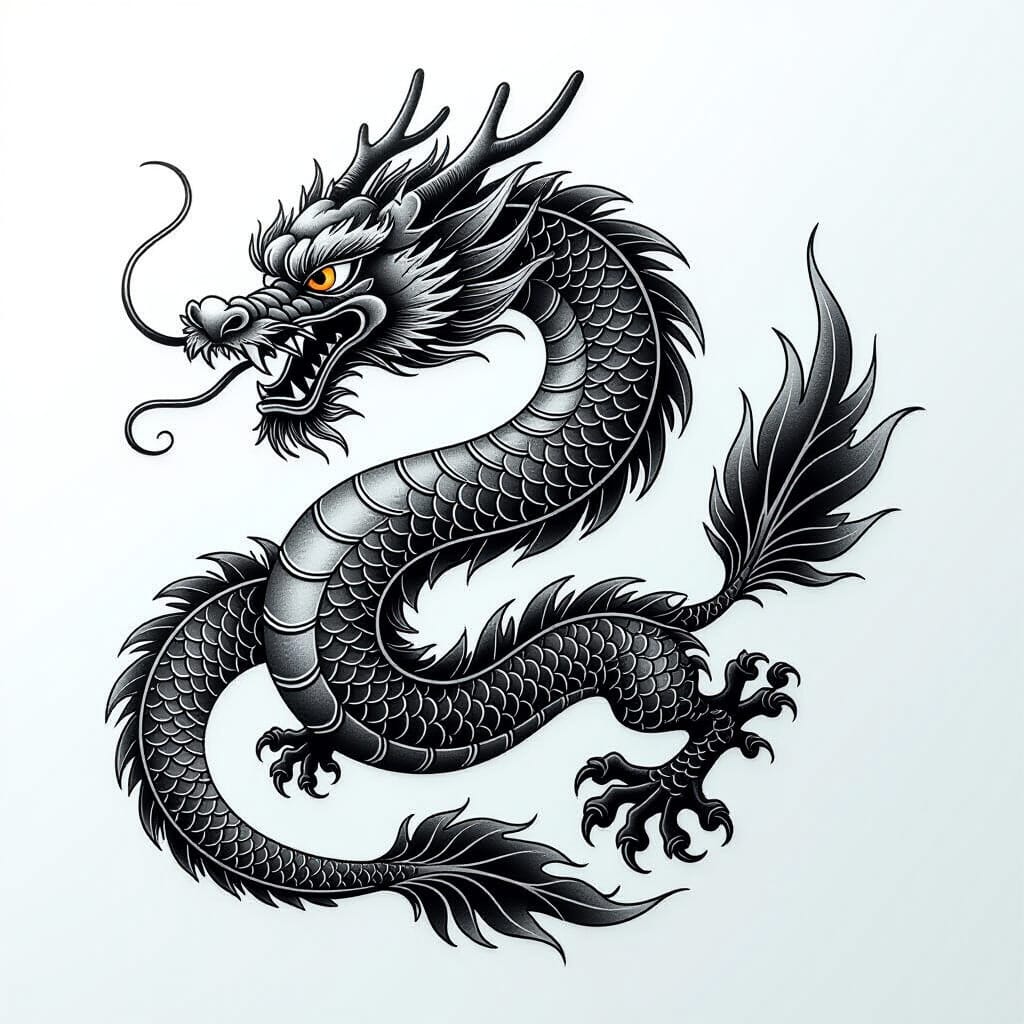
Ever wished you could carry a tiny tiger or a minuscule monkey on your skin without looking like you lost a bet with a giant tattoo artist? Welcome to the world of micro realism tattoo design animals—where the wild meets the wonderfully small. These pint-sized masterpieces pack a punch of detail so fine you might need a magnifying glass to admire them properly.
Materials and Tools Needed for Micro Realism Tattoo Design
Mastering micro realism tattoo design animals requires the right arsenal. Precision becomes our best ally when creating tiny tattoos that capture animal details without turning them into blurry blobs.
Essential Tattooing Equipment for Micro Realism
Start with a reliable rotary or coil tattoo machine that offers fine control and minimal vibration. Use a power supply that ensures consistent voltage, and pick a sturdy tattoo grip to steady our hand for those tiny strokes. Gloves, disposable razors, and sterile wipes rank high—cleanliness saves us from turning a small masterpiece into a microbial zoo.
Choosing the Right Needles and Ink for Fine Detail
Select single needles or tight liners in groups of three or five for crisp lines and delicate shading. Liquid black inks rank highest because their pigment intensity delivers sharp contrasts on small surfaces. Use water-based inks with high saturation to amplify detail visibility. Avoid overly diluted ink; thin lines vanish faster than a startled squirrel.
Importance of High-Quality Reference Images of Animals
Gather high-resolution animal photos with clear lighting and sharp details. Use multiple angles to understand fur texture, eye glints, and subtle shadow shifts. Low-quality or pixelated images frustrate our efforts, turning your tattoo into an unrecognizable fuzzball faster than you can say “micro realism.” Use images with distinct contrast to guide placement of shadows and highlights.
Designing Micro Realism Animal Tattoos
Designing micro realism animal tattoos demands a sharp eye and steady hand. We dive into selecting subjects, capturing detail, and mastering textures for tiny wildlife masterpieces.
Selecting the Perfect Animal Subject
Choosing animals for micro tattoos involves balancing detail with size constraints. Small creatures like hummingbirds, ladybugs, or ants offer intricate but compact features. Larger animals like lions or wolves complicate design with too many details squeezed into tiny spaces. Picking distinctive features such as a fox’s sharp eyes or a butterfly’s unique wing patterns focuses attention and avoids overcrowding. Highly detailed but small animals increase visibility without losing clarity when shrunk below one inch.
Capturing Fine Details in Small Scale Designs
Drawing fine details on a mini canvas requires precision and patience. We zoom in on essential features—eyes, fur strands, feathers—to emphasize character while excluding extraneous elements. Using magnification tools during design and tattooing enhances accuracy. Employing single needle configurations ensures crisp lines and tight shading. Avoiding heavy black areas prevents the tattoo from blurring over time, maintaining clarity through blurred edges or ink spread. Clean, simple outlines and delicate dot work build intricate depth within limited space.
Techniques for Achieving Realistic Textures and Shades
Mimicking natural textures in micro realism relies on layering tiny strokes and subtle shading gradients. We use stippling and micro-dot techniques to simulate fur, scales, or feathers without overwhelming the canvas. Light-to-dark shading gradients create 3D effects balancing contrast and softness. Crosshatching with ultra-fine lines adds dimension while preserving delicacy. Color selection remains minimalistic, highlighting primary patterns and shadows instead of full palettes to avoid muddy visuals. Controlled needle depth avoids ink bleeding for sharp, textured finishes.
Step-by-Step Process for Creating Micro Realism Animal Tattoos
Mastering micro realism animal tattoos requires precise steps that blend artistry with technical skill. We break down the process into clear stages for flawless miniature wildlife.
Preparing the Skin and Setting Up the Workspace
We start by cleaning the skin with an antiseptic solution to prevent infections. Next, shave the area with a disposable razor for a smooth canvas. Setting up the workspace means organizing our tattoo machine, needles, inks, and sterile wipes within arm’s reach. We arrange lighting to avoid shadows, ensuring perfect visibility of the tiniest details. Sterilization of tools and wearing gloves become ritualistic, unless we want the tattoo to double as a bacteria exhibit.
Outlining the Micro Realism Animal Design
We sketch the animal design using fine liner pens or temporary tattoo pens placed on transfer paper. Applying the stencil carefully ensures that the outline precisely matches the chosen high-resolution animal reference image. Using a single needle configuration, we gently etch thin outlines on the skin, prioritizing clarity over speed. We focus on distinctive features like whiskers, eyes, or scales rather than overcrowding the tiny canvas with extraneous detail.
Shading and Adding Depth to the Tattoo
We shade by switching to magnum needles in smaller groupings to layer ink gradually. Controlled stippling and soft gradients in black and gray inks create texture that mimics fur, feathers, or scales. Using a magnifying lens lets us examine depth constantly to prevent muddying the design. We play with light and shadow contrasts to give the tiny animal a three-dimensional vibe, ensuring it doesn’t look like a flat sticker someone forgot to peel off.
Final Touches for a Life-Like Finish
We accentuate tiny highlights using white ink sparingly on reflective points like eyes or wet noses. We inspect the tattoo for any missed lines or shading inconsistencies through close-up lenses and natural light. If blending needs improvement, we cautiously rework areas to avoid overworking the skin. Finally, we apply a protective ointment and cover the tattoo with breathable film to preserve our miniature masterpiece while skin heals.
Tips and Techniques for Successful Micro Realism Animal Tattoos
Mastering micro realism animal tattoos demands precision, artistic flair, and a bit of patience. Here’s how to keep your tiny masterpieces sharp, striking, and scaled just right.
Maintaining Precision and Steadiness While Tattooing
Steadiness ranks supreme when working on the microscopic canvas of skin. We recommend tattooing in short bursts, keeping our wrist locked and supported to avoid accidental wiggles that could turn a feline whisker into a fuzzy mess. Breathing remains calm and rhythmic since tension leads to shakiness. Utilizing magnifying glasses or a microscope magnifies every hair and bead of ink, ensuring we don’t miss a single whisker or feather. Regular breaks refresh focus because even the steadiest hands tire.
Using Contrast to Enhance Realism in Small Tattoos
Contrast functions like the secret sauce for small animal tattoos. We push dark blacks against bright whites to define tiny features such as the glint in a deer’s eye or the pattern on a butterfly’s wing. Instead of overcrowding with details, we create visual depth by layering shadows and highlights strategically. This technique helps the tattoo pop despite its miniature size, giving even a squirrel the star treatment. Using diluted shading inks adds subtle gradients keeping the tattoo from looking flat or smudged.
How to Scale Down Complex Animal Patterns Effectively
Scaling down complex animal patterns requires ruthless simplification while preserving character. We strip patterns of unnecessary frills but keep signature marks like tiger stripes or leopard spots recognizable. Prioritizing bold, clear shapes over fine lacework prevents the design from becoming an indecipherable blur. We adjust spacing between elements to avoid ink bleeding into each other during healing. Selecting the most distinctive pattern sections keeps the tattoo both tiny and instantly identifiable—for example, focusing on a giraffe’s unique spot clusters rather than every inch of its coat.
Common Challenges and How to Overcome Them
Creating micro realism tattoo design animals demands finesse and patience. Tackling common hurdles head-on makes the difference between a masterpiece and a smudge.
Avoiding Blurring and Ink Spreading in Tiny Tattoos
Blurring and ink spreading threaten the crispness of micro tattoos. We choose fine single needles over groupings to keep lines sharp. Using high-quality inks with proper viscosity prevents unwanted bleeding. We limit needle depth to avoid pushing ink too far under the skin. Tattooing with a steady hand in short, confident strokes reduces trauma to the skin, minimizing ink migration.
Dealing with Skin Texture and Movement Issues
Skin texture and movement turn tiny designs into moving targets. We tattoo on flatter areas like the forearm or upper back where the skin is more stable. Stretching the skin firmly during work smooths bumps and wrinkles. We avoid highly textured or loose skin zones such as knuckles or elbows to prevent distortion. Synchronizing tattoo speed with breathing controls twitching, maintaining design integrity.
Troubleshooting Fading and Longevity for Micro Tattoos
Fading hits micro tattoos harder due to their small size. We select inks that resist UV breakdown and encourage clients to apply strict sun protection. Layering ink with careful shading builds depth and durability. We recommend touch-ups six to twelve months after completion to keep details fresh. Advising gentle tattoo aftercare avoids early pigment loss and prolongs crisp animal depictions.
Aftercare for Micro Realism Animal Tattoos
Taking care of micro realism animal tattoos right after getting inked keeps those tiny critters looking sharp and vibrant. Proper aftercare locks in detail and prevents fading or blurring.
Best Practices for Healing and Maintaining Detail
Clean the tattoo gently twice daily with lukewarm water and fragrance-free mild soap. Pat dry using a clean towel instead of rubbing because the design is delicate. Apply a thin layer of healing ointment 3 times a day to keep moisture balanced. Avoid scratching or picking at scabs no matter how tempting it gets or else risk ruining those fine lines. Limit sun exposure and do not soak the tattoo in water for at least 2 weeks to prevent color loss. Wear loose cotton clothing to avoid friction that can blur edges. If possible, sleep on your back to minimize pressure on the tattoo area during healing.
Alternative Approaches and Styles for Animal Micro Tattoos
Exploring different approaches broadens the creative scope for animal micro tattoos. Combining styles and experimenting with color offers new dimensions to these miniature masterpieces.
Combining Micro Realism with Other Tattoo Styles
Merging micro realism with other tattoo styles sparks innovation. For instance, pairing micro realism with geometric patterns introduces structured contrast. Incorporating dotwork or stippling adds texture that complements the fine details of animal features. Blending line art creates bold outlines framing the delicate micro realistic elements. These combinations encourage uniqueness while maintaining clarity in tiny designs. Using negative space strategically can emphasize the micro realism segment, enhancing visual impact, especially on smaller canvas areas like fingers or wrists.
Exploring Color Versus Black and Gray Micro Realism
Preferring color brings vibrancy to animal micro tattoos, increasing visual appeal through subtle gradients and lifelike hues. Conversely, black and gray focus on shadows and highlights, emphasizing form and depth with timeless elegance. Selecting color requires balancing saturation levels carefully because oversaturation causes bleeding and loss of detail in tiny areas. Choosing black and gray eases longevity concerns as these tones generally fade slower. Comparing advantages:
| Aspect | Color | Black and Gray |
|---|---|---|
| Visual Impact | High vibrancy and realism | Classic contrast and depth |
| Detail Preservation | Risk of color bleeding | Crisp lines and shading |
| Longevity | Fades faster without care | More durable over time |
| Design Flexibility | Complex palettes possible | Focus on tonal variation |
Mixing a subtle wash of color with black and gray outlines can balance vibrance with precision, creating impressive micro realism animal tattoos that pop without sacrificing detail.
Conclusion
Micro realism animal tattoos might be tiny, but they sure pack a wild punch. They let us carry a little piece of nature’s charm without shouting from the rooftops—or our skin. Sure, mastering the art takes patience, a steady hand, and maybe a magnifying glass or two, but the results? Absolutely worth it.
Whether we’re blending colors or balancing shadows, these mini masterpieces prove that good things really do come in small packages. So, if you’re ready to embrace the challenge and add some fierce, feathered, or furry friends to your ink collection, remember: size isn’t everything—detail is. And hey, if a tattoo can make us smile every time we catch a glimpse, we call that a win.
Frequently Asked Questions
What is a micro realism tattoo design animal?
A micro realism tattoo design animal is a tiny, highly detailed tattoo that depicts an animal with artistic precision. These small tattoos capture the intricate features of animals in a subtle yet realistic way.
What tools are essential for creating micro realism animal tattoos?
Key tools include a reliable tattoo machine, a consistent power supply, fine single needles, high-quality inks, proper hygiene equipment, and magnification tools to ensure precision and detail.
How do artists achieve fine details in micro realism tattoos?
Artists use single needle configurations, magnification tools, layering, stippling, and controlled color selection to create crisp lines, realistic textures, and depth in small tattoo designs.
What steps are involved in designing a micro realism animal tattoo?
The process starts with selecting a suitable animal, obtaining high-resolution reference images, preparing the skin and workspace, outlining with fine liners, shading with magnum needles, and adding highlights for realism.
How can tattoo artists prevent blurring and ink spreading?
Using fine single needles, high-quality inks, and tattooing on flatter skin areas helps maintain design clarity. Proper technique and skin preparation also minimize blurring and ink spread.
What aftercare is recommended for micro realism animal tattoos?
Clean gently with mild soap and lukewarm water, apply healing ointment, avoid scratching or soaking, limit sun exposure, wear loose clothing, and sleep on your back to protect the tattoo during healing.
Can micro realism animal tattoos be combined with other styles?
Yes, combining micro realism with geometric patterns, dotwork, or subtle color washes enhances creativity and adds visual interest while maintaining the tattoo’s fine detail.
Should I choose color or black and gray for micro realism tattoos?
Color offers vibrancy and lifelike effects, while black and gray provide classic contrast and longevity. A mix of subtle color washes with black and gray outlines often balances realism and durability.
How do artists handle the challenge of scaling down complex animal patterns?
By simplifying designs and focusing on distinctive features, artists maintain recognizability and clarity, ensuring that even intricate animal patterns work well at a small size.
What tips help maintain precision during micro realism tattooing?
Tattoo in short bursts, keep a steady hand and calm breathing, use magnification tools, and focus on layering shadows and highlights to create realistic depth and sharp details.