
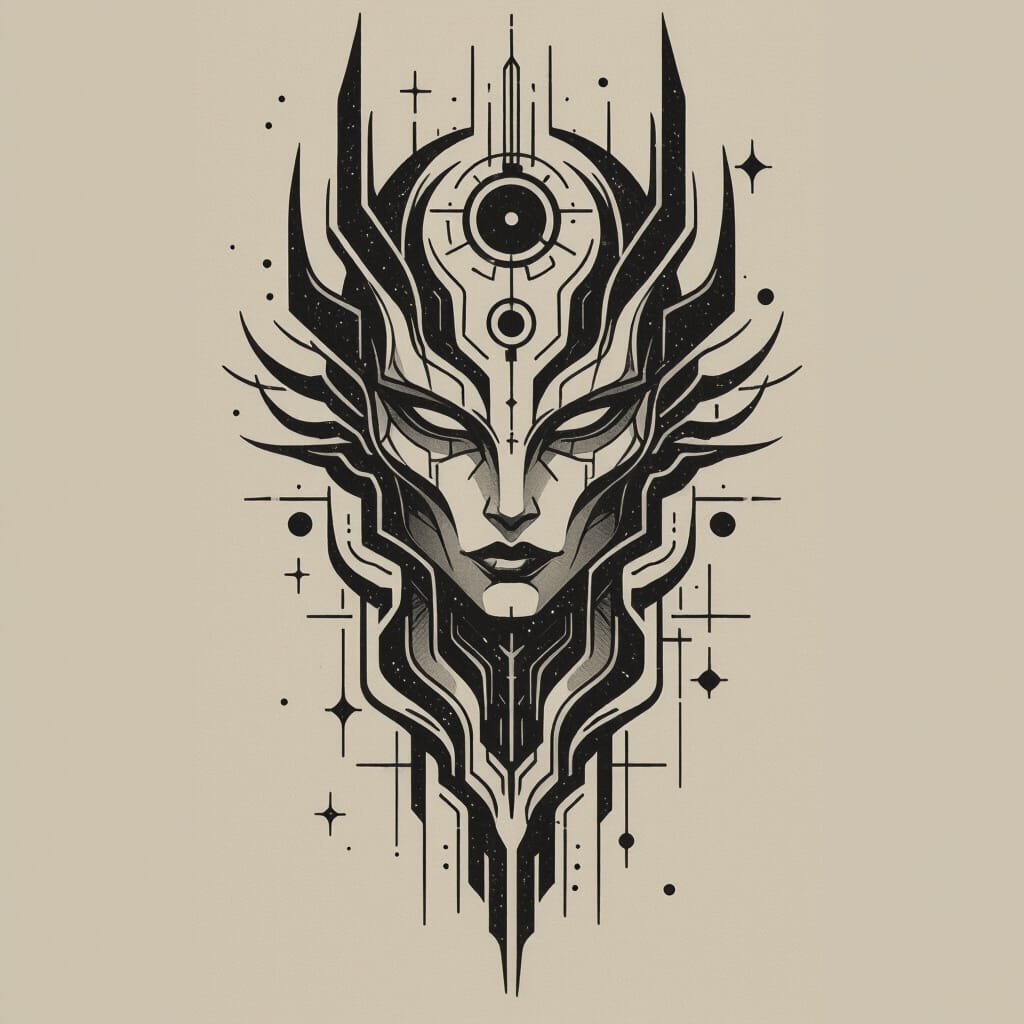
We’ve all seen those tattoos that look like a robot’s been hiding under someone’s skin, right? Bio mechanical tattoo designs blend human anatomy with mechanical parts, creating a wild mix of flesh and gears that’s equal parts creepy and cool. It’s like your body decided to moonlight as a sci-fi movie set.
Materials and Tools Needed for Bio Mechanical Tattoo Design
Getting those mechanical muscles and gears inked requires a solid lineup of gear. Let’s break down the essentials.
Essential Tattooing Equipment
We grab several key tools for bio mechanical tattooing:
- Tattoo machine (coil or rotary) for precise line work and shading.
- Power supply to keep the machine humming without meltdown.
- Sterile needles in various sizes (liners 3-9 gauge, shaders 7-14 gauge) for intricate details and smooth gradients.
- Disposable gloves to keep us clean and the ink on the skin.
- Tattoo grips and tips designed for steady control during complex mechanical strokes.
- Autoclave or sterilizer because no one wants bio-mechanical infections.
- Ink caps and trays for managing multiple ink colors and shades.
Recommended Inks and Colors for Bio Mechanical Styles
We focus on specific inks that bring the robotic skin fusion to life:
- Black and gray inks in multiple tones to highlight depth and metal textures.
- White ink to add reflections and sharp metallic gleams.
- Red and rust tones for simulating worn-out mechanical parts or exposed circuitry.
- Blue and green shades to mimic glowing wires or synthetic fluids.
Sketching and Stenciling Supplies
We start strong with these sketching essentials:
- High-quality sketch paper or tracing paper for preliminary designs.
- Graphite pencils in various hardness (2H to 6B) to capture hard edges and smooth curves.
- Fine-tip pens for defining intricate mechanical patterns.
- Thermal stencil paper or hand stencil paper to transfer the design accurately onto skin.
- Stencil transfer gel to ensure crisp outlines that don’t vanish mid-session.
With these tools and materials, our bio mechanical tattoos merge flesh and machine without a hitch or a short circuit.
Understanding the Core Elements of Bio Mechanical Tattoo Design
Mastering bio mechanical tattoo design demands grasping its key visual and structural components. We dive into the essential building blocks below.
Mechanical Components and Organic Integration
We combine gears springs pistons and wiring with veins muscles and bones to create that signature cyborg look. Blending metal with flesh without making it look like your arm got stuck in a blender requires smart transitions such as torn skin revealing pipes beneath or bolts merging seamlessly into tendons. Maintaining realistic proportions helps prevent our design from resembling a robot that forgot how to be human.
Common Motifs and Imagery
We often include gears pistons circuit boards robotic joints screws hydraulic tubing and valves. Organic elements like muscles tendons bones or even blood vessels tend to intertwine with mechanical parts. Popular imagery involves robotic limbs peeking through skin organic tissue fused with machinery and futuristic implants. These motifs evoke sci-fi vibes making our tattoos look like a scene straight from a bionic thriller.
Use of Shadows and Highlights for 3D Effect
We rely on sharp contrasting shadows and crisp highlights to create depth making metal surfaces gleam and flesh appear raised or torn. Strategic shading around mechanical edges simulates reflection while gradient shadows under torn skin add natural depth illusions. Cleverly placed highlights turn flat ink into convincing shiny metal bolts or polished robotic plates, enhancing the illusion of three-dimensional merging of man and machine.
Step-by-Step Process to Create a Bio Mechanical Tattoo Design
Mastering bio mechanical tattoo design demands precision and creativity. We break it down into four manageable steps to merge flesh with metal like cyborgs in sci-fi flicks.
Concept Development and Research
Brainstorm core ideas. We gather inspiration from anatomy books, mechanical blueprints, and sci-fi movies. We note specific body parts to integrate with gears, pistons, or wiring layouts. If we miss research, the design risks looking like a tangled mess of circuits instead of a sleek fusion. Sketch reference images and study shading techniques that enhance the illusion of metal under skin.
Sketching the Initial Design
Start with loose pencil sketches on quality paper. We map out basic shapes—muscle contours merging into mechanical plates or cables. Avoid committing too early; rough outlines allow flexibility to add or remove elements. If we rush the initial sketch, we end with a Frankenstein of parts instead of a harmonious blend. Use light strokes to guide proportions and anatomical accuracy.
Adding Mechanical Details and Organic Features
Enhance sketches by weaving mechanical parts seamlessly into organic tissue. We draw gears with teeth fitting into muscle fibers or hydraulic pistons mimicking tendons. Balance is key; too many bolts make the skin look like a hardware store, too few reduce the cyborg feel. Incorporate veins, wrinkles, or sinews around mechanical bits to anchor them in the flesh where metal meets meat.
Finalizing the Design with Depth and Texture
Apply shading and texture to give the design depth like it’s poking out from under the skin. We use contrasting shadows to highlight raised metal edges and subtle gradients for organic softness. Cross-hatching or stippling techniques add gritty realism. If we skip this, the tattoo looks flat and cardboard-like instead of the biomechanical beast it’s destined to be. Experiment with light sources to enhance three-dimensional effects and give your creation an otherworldly glow.
Tips for Designing Effective Bio Mechanical Tattoos
Bio-mechanical tattoos become masterpieces when organic and mechanical elements blend seamlessly. Let’s explore how to make this fusion flawless.
Balancing Organic and Mechanical Elements
We balance organic and mechanical elements by matching the intricate details of veins with the precision of gears. We emphasize proportion by alternating organic curves like muscles with mechanical straight lines such as pistons. We maintain harmony by ensuring neither element overwhelms the other, creating a believable cyborg look. We adjust shading to integrate shadows of flesh and shine of metal, enhancing depth and realism.
Choosing Placement on the Body
We choose placement on flexible areas like arms or legs because these allow mechanical parts to flow naturally with muscle movement. We avoid flat regions such as the back unless the design focuses on large mechanical panels with minimal organic detail. We consider visibility for clients wanting showy designs and concealment for those preferring subtle cyborg flair.
Customizing Designs for Unique Client Preferences
We customize designs by incorporating personal interests like favorite sci-fi movies or specific machinery models. We adapt organic details to match the client’s anatomy, highlighting existing muscle lines or veins for authenticity. We experiment with color palettes when clients desire more vibrant or subdued robotic aesthetics, from steel gray to glowing neon.
Common Challenges and How to Overcome Them
Bio-mechanical tattoo design throws some curveballs our way. We tackle these challenges head-on and keep our ink game strong.
Achieving Realistic Depth and Dimension
Mastering shadows and highlights leads to realistic depth and dimension. We layer shading in graduated tones to mimic light’s natural fall. Blending soft gradients with sharp edges creates 3D illusions. Using a mix of cool and warm colors adds muscle warmth against metallic coldness. Resist flat colors unless you want your tattoo to look like a robot laying flat on a client’s skin.
Avoiding Overcrowding and Maintaining Clarity
Limiting intricate mechanical and organic details prevents overcrowding. We pick key design elements and give each breathing room. Prioritize the tattoo’s focal points and reduce redundancy in patterns like wires or gears. Clear line work and contrasting values separate components logically. Too many cogs spinning in a tiny space just confuses eyes and ink—keep it readable at both close and distant views.
Working with Curved Body Areas
Adapting design to curved body parts like shoulders or calves requires skillful distortion. We sketch directly on skin or use flexible stencils to test fit before inking. Follow muscle flow and natural contours to avoid awkward twists in mechanical parts. Aligning bio-mechanical lines with anatomical curves enhances integration and movement illusion. Ignore this and your robotic arm looks more like a tangled slinky.
Aftercare Considerations for Bio Mechanical Tattoos
Taking care of bio-mechanical tattoos involves more than just avoiding the usual suspects like scratches and sunburn—it demands extra precision to keep those intricate details looking sharp and robotic.
Skin Care for Detailed Tattoos
Moisturize regularly using fragrance-free ointments or lotions to prevent dryness, which could dull the fine lines and tiny gears in the design. Wash the tattoo gently twice daily with lukewarm water and mild unscented soap to avoid scrubbing off any of our hard-earned ink. Avoid soaking the tattoo in water for more than 10 minutes per session to protect delicate shading and line work. Wear loose, breathable clothing over the tattoo to reduce friction and irritation, especially during the first two weeks.
Healing Tips to Preserve Design Quality
Keep the tattoo out of direct sunlight for at least four weeks, or risk fading those futuristic metallic glints. Apply sunscreen with SPF 30 or higher after healing to preserve vibrant contrast between organic textures and mechanical parts. Resist the urge to pick or peel scabs, since damaging the outer layers could blur our meticulously crafted veins and screws. Stay hydrated and maintain a balanced diet to optimize skin regeneration, giving our bio-mechanical masterpiece the perfect living canvas.
Conclusion
Diving into bio-mechanical tattoo design is like becoming part artist part mad scientist. It’s all about blending the organic with the mechanical in a way that makes people do a double-take—“Is that a human or a robot under the skin?”
We’ve got to admit it takes patience, precision, and a dash of sci-fi obsession. But hey, when those gears and veins come together just right, the results are nothing short of jaw-dropping.
So let’s keep pushing the boundaries, mixing flesh with metal, and turning skin into living art that’s equal parts creepy cool and mechanically mesmerizing. After all, who says tattoos can’t have a little robot swagger?
Frequently Asked Questions
What is a bio-mechanical tattoo design?
A bio-mechanical tattoo combines human anatomy elements with mechanical parts, creating a look that blends flesh and machinery for a sci-fi, futuristic effect.
What materials are essential for bio-mechanical tattoos?
Key materials include tattoo machines, sterile needles, specialized inks, quality sketching supplies, and stencil transfer tools to capture intricate details accurately.
What are the core elements in bio-mechanical tattoo design?
Core elements include mechanical parts like gears, springs, and wiring integrated with organic features such as veins and muscles to create a seamless cyborg appearance.
How do artists create a 3D effect in bio-mechanical tattoos?
Artists use shadows, highlights, and shading techniques to add depth and realism, making mechanical and organic elements appear three-dimensional.
What’s the process for designing a bio-mechanical tattoo?
The process involves concept development, sketching, adding mechanical and organic details, and finalizing with shading for texture and 3D effect.
How can artists balance detail in bio-mechanical tattoos?
Balance is achieved by limiting intricate details to key focal points and blending organic and mechanical elements smoothly to avoid overcrowding.
Which body areas work best for bio-mechanical tattoos?
Flexible areas like arms and legs are ideal, as they enhance movement and help the mechanical design flow with natural body contours.
How important is customization in bio-mechanical tattoo design?
Customization is key—designs should reflect the client’s personal interests and adapt to their anatomy for a unique and meaningful tattoo.
What challenges do artists face with bio-mechanical tattoos?
Common challenges include creating realistic depth, managing shading complexity, fitting designs to curved areas, and maintaining clarity without overcrowding.
What aftercare is recommended for bio-mechanical tattoos?
Aftercare includes gentle washing, regular moisturizing with fragrance-free products, avoiding sun exposure, not picking scabs, and staying hydrated to preserve detail and color.