
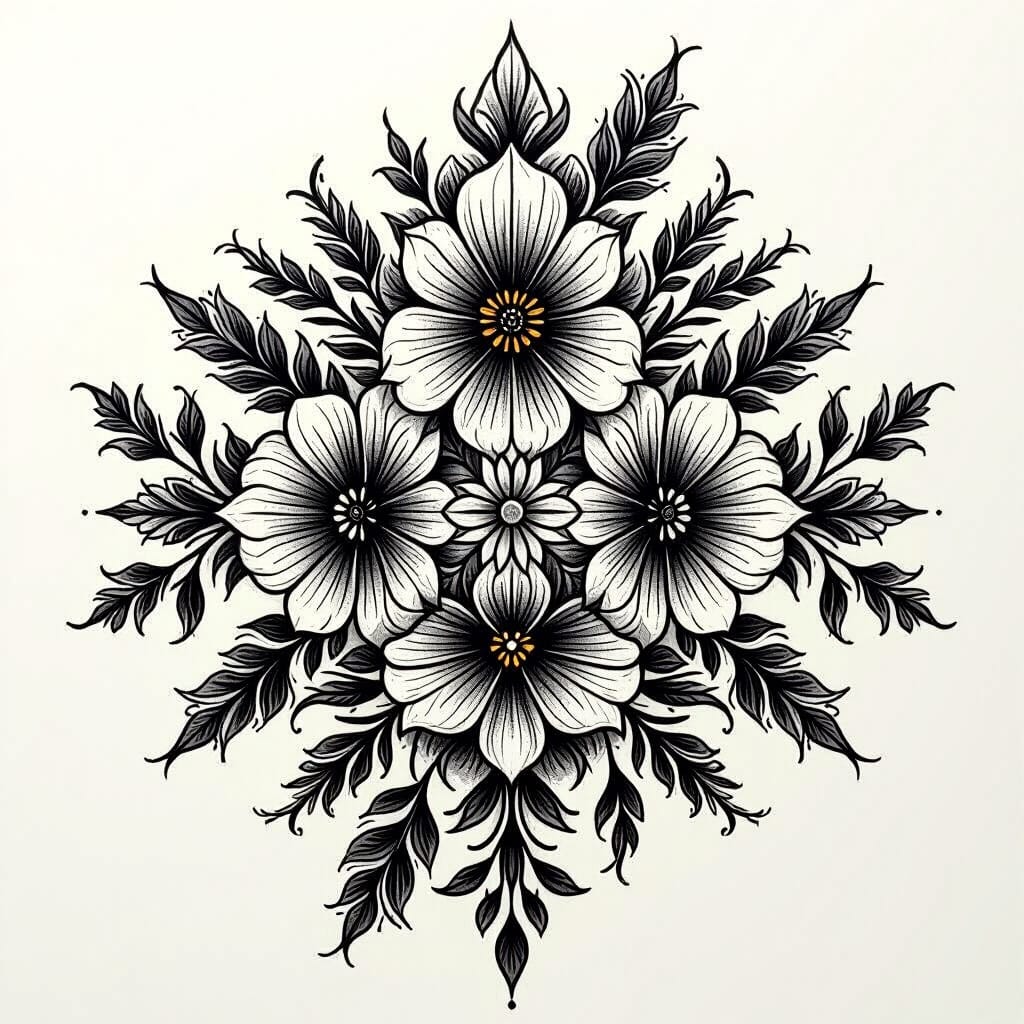
Blackwork tattoo sleeves are like the little black dress of the tattoo world—bold, timeless, and impossible to ignore. We’re talking about designs that dive deep into solid black ink, turning your arm into a canvas of striking shapes, patterns, and sometimes a bit of mystery. If you’ve ever wondered how to make a statement without saying a word, these sleeves might just be the answer.
But don’t let the dark vibes fool you. Blackwork tattoos can be playful, intricate, or downright mesmerizing. Whether you’re into geometric puzzles or nature-inspired silhouettes, these designs wrap your arm in art that’s as unique as your personality. So, let’s explore why blackwork sleeves have become the go-to choice for anyone wanting to wear their creativity loud and proud.
Materials and Tools Needed for Blackwork Tattoo Sleeves
Mastering blackwork tattoo sleeves requires a specific set of materials and tools. Acquiring the right equipment ensures precision and longevity in every bold line and heavy black fill.
Essential Tattooing Equipment
Gather these essentials before laying down ink:
- Tattoo machine: Rotary or coil machines both tackle blackwork effectively.
- Power supply and foot pedal: Control speed and flow like a tattoo DJ.
- Clip cords and grips: Hold steady for those solid black blocks.
- Sterilized tubes and tips: Keep hygiene tighter than your black lines.
- Disposable gloves and barrier film: Protect us and the client from unwanted ink attacks.
- Tattoo machine stands and ink cups: Organization equals tattoo success.
Recommended Black Ink and Needles
Choosing ink and needles makes or breaks solid black fills:
- Ink: Use high-quality black inks like Intenze Zuper Black or Dynamic Black, known for their deep pigmentation and smooth application.
- Needles: Rely on liners at sizes 3-9 for sharp outlining and shaders 7-15 for bold fills and smooth transitions, creating that flawless blackwork sleeve effect.
Skin Preparation Supplies
Setting the canvas right preps skin for the tattoo marathon:
- Antibacterial soap and water: Clean skin thoroughly before tattoo engagement.
- Shaving razor: Remove hair cleanly without causing irritation that screams at the needle.
- Stencil transfer gel and paper: Secure design placement like a tattoo GPS.
- Petroleum jelly or specialized ointments: Moisturize and protect skin during shading to avoid painful mishaps.
These materials and tools form the blackwork tattoo sleeve foundation perfect for striking results.
Designing Your Blackwork Tattoo Sleeve
Designing a blackwork tattoo sleeve demands precision, creativity, and a splash of daring. We explore the key steps that turn skin into a bold canvas worthy of black ink art.
Researching Blackwork Styles and Patterns
Researching blackwork styles uncovers diverse forms like geometric shapes, tribal patterns, and ornamental lace. We dive into archives, portfolios, and tattoo galleries to find styles that resonate with our vibe. Inspecting examples that balance thick solid fills with fine line details sharpens our eye for striking contrasts.
Choosing Themes and Motifs
Choosing themes narrows our focus. We pick motifs such as nature-inspired leaves, mythical beasts, or celestial bodies based on personal meaning or visual punch. Selecting complementary motifs meshes harmony and variety, creating a narrative rather than just random black blobs. We mix symmetry with asymmetry for poetic rhythm.
Planning Sleeve Layout and Flow
Planning the layout involves mapping tattoos around the arm’s curves, joints, and muscle shapes. We sketch flow paths that guide the eye smoothly from shoulder to wrist without awkward breaks. We balance dense black areas with negative space for breathable elegance. We also plan transitions ensuring each motif morphs naturally into the next.
Using Stencils for Accuracy
Using stencils guarantees precise replication of complex designs. We create stencils by printing or drawing the chosen patterns on transfer paper, then apply them carefully onto the skin with transfer gel or solution. Stencils act as our blackwork blueprint, preventing stray lines and saving us from ink-related chaos.
Step-by-Step Process for Creating Blackwork Tattoo Sleeves
Mastering blackwork tattoo sleeves calls for careful attention and precise execution at each stage. Let’s break down the process into manageable, ink-friendly steps.
Preparing the Skin for Tattooing
First, cleanse the arm thoroughly using antibacterial soap to banish all microscopic squatters. Next, shave the area with a fresh razor to ensure a smooth canvas free of rogue hairs. Then sanitize the skin with an alcohol swab to create the perfect blank slate that ink loves. Finally, apply a light layer of petroleum jelly to reduce friction without turning the design into a slip-and-slide.
Outlining the Sleeve Design
Begin outlining by transferring the stencil carefully onto the prepped skin, hitting every curve and corner for crisp adherence. Then use a liner needle with precise hand control to trace the stencil’s edges in solid black ink. Follow the arm’s natural contours closely to ensure the design hugs the skin like a velvety black glove. Take breaks if needed; even tattoo artists deserve a smidge of ink-induced meditation time.
Filling in Blackwork Shading and Solid Areas
Fill large patches with a magnum shader needle, layering black ink evenly to achieve that signature bold, blackout effect. Apply multiple passes if necessary but avoid overworking the skin to prevent angry redness from crashing the party. For shading gradients, use varied hand speed and needle depth to create subtle transitions from dark to darker, adding depth without looking like a spilled inkpot.
Adding Details and Textures
Finish by injecting life with intricate textures like dotwork or crosshatching, adding character to geometric shapes or organic patterns alike. Use fine needles for delicate lines that bring dimension and keep the design from looking like a monotonous midnight blob. Finally, inspect the entire sleeve for consistency and touch up where shadows decide to play hide-and-seek.
Techniques Specific to Blackwork Tattoo Sleeves
Mastering the bold art of blackwork tattoo sleeves demands more than just slapping on solid black ink. We focus on specialized techniques that bring these designs to life with precision and oomph.
Working with Geometric Patterns
Respecting symmetry makes geometric patterns pop. We sketch exact lines and sharp angles using fine liner needles, ensuring every triangle and hexagon behaves. Employing tools like rulers or custom stencils keeps the shapes flawless. We hold the skin taut; this reduces ink spread and preserves crisp edges. Repeated shapes build hypnotic designs that never look like we winged it.
Dotwork and Linework Techniques
Mastering dotwork involves placing thousands of tiny dots consistently, so shading blends without turning blotchy. We adjust needle depth and speed, maintaining rhythm akin to a tattooing metronome. For linework, varying needle configurations create thin outlines or thick borders. Sharp linework frames the design, while gentle fades from dense dots add dimension. Sharp focus prevents unintentional blobs—practice makes ink-perfected.
Creating Contrast and Depth with Black Ink
We balance solid black fills with negative space to craft optical illusions of depth. Layering ink in gradients forms smoky shadows that dance around bold highlights. Alternating dense black areas against delicate line details directs the eye, making the sleeve visually dynamic. We apply multiple passes carefully, avoiding overworking skin to prevent blowouts. This orchestration transforms flat black into a theatrical drama of light and shade.
Aftercare for Blackwork Tattoo Sleeves
Taking care of fresh blackwork tattoo sleeves keeps those bold designs looking sharp and not like a smudged mess.
Immediate Care Post-Tattooing
Clean the tattooed area gently with lukewarm water and a fragrance-free antibacterial soap within the first few hours. Pat dry with a clean towel then apply a thin layer of unscented moisturizing ointment. Repeat this process every 3 to 4 hours for the first 48 hours but avoid soaking the sleeve in water or exposing it to direct sunlight. Keep the tattoo loosely covered for the first 2 to 3 hours but after that let it breathe, because suffocation kills style and skin cells.
Long-Term Skin Care Tips
Moisturizing daily with a fragrance-free lotion keeps skin supple and prevents cracking or flaking that ruins the smooth black ink. Use sunscreen rated SPF 30 or higher whenever the tattoo faces the sun for more than 15 minutes; UV rays break down the pigment faster than a bad pun at a tattoo convention. Avoid abrasive scrubs or exfoliants on the sleeve to preserve linework and shading precision. Hydration from inside helps too, so drinking plenty of water maintains skin elasticity and vibrancy.
Preventing Fading and Maintaining Black Ink Richness
Wear protective clothing during outdoor activities and reapply sunscreen every two hours to stave off the sun’s fading effects. Avoid chlorinated pools and hot tubs for at least two weeks since chemicals strip ink faster than impatience strips patience. Touch-ups after six to twelve months restore any areas where the black ink has softened or blurred but remember, heavy layering up front minimizes how often this is necessary. Finally, resist scratching or picking during healing because peeling looks awful on sleeves designed for awe.
Common Issues and Troubleshooting with Blackwork Tattoo Sleeves
Blackwork tattoo sleeves dazzle but their boldness can attract a few pesky issues. Tackling ink problems and healing hiccups improves the artwork’s longevity and keeps the black shining like night.
Dealing with Ink Blowouts or Smudging
Ink blowouts happen when the ink spreads under the skin creating a fuzzy black smudge instead of crisp lines. We loosen the machine’s needle depth settings or slow down the hand speed if blowouts appear. If smudging kicks in during the session, wiping excess ink gently and waiting for skin to settle reduces spreading. Using fresh needles and quality black ink in proper viscosity minimizes these disasters.
Fixing Uneven Lines or Fading Areas
Uneven lines often result from inconsistent hand pressure or needle angle. We tighten technique by maintaining steady pressure and repositioning the arm for optimal access. Fading patches appear when ink sits too shallow or after exposure to sun or water. Touch-ups with a liner or shader needle reinforce the pigment density restoring solid black fills and sharp outlines with ease.
Tattoo Healing Complications and Solutions
Peeling, scabbing, or prolonged redness signals healing problems. We recommend light moisturizing with fragrance-free ointments and avoiding scratching to prevent scarring or ink loss. If infections develop serious swelling or pain, consulting a dermatologist becomes necessary. Keeping sleeves clean and dry during the first two weeks promotes smooth healing and happy skin ready to flex that bold blackwork.
Tips and Best Practices for Blackwork Tattoo Design Sleeves
Mastering blackwork tattoo sleeves combines creative vision with practical strategy. Implementing smart tactics enhances the experience and outcome.
Collaborating with Your Tattoo Artist
Communicating clear ideas sparks collaboration. Sharing inspirational images, preferred styles, and personal story elements guides the artist’s design process. Respecting the artist’s expertise harnesses their experience for technical challenges and aesthetics. Scheduling consultations sets expectations and builds trust ensuring a smooth creative partnership.
Managing Pain and Session Lengths
Breaking the work into multiple shorter sessions balances endurance and detail. Staying hydrated and nourished keeps energy high reducing discomfort. Applying topical numbing creams eases sharp sensations letting us relax. Stretching and moving the arm between sessions prevents stiffness helping us stay comfortable throughout the process.
Considering Skin Tone and Placement
Choosing contrast in blackwork designs enhances visibility across all skin tones. Dark, saturated fills pop beautifully on lighter skin while negative space accents uplift darker tones. Placing the sleeve on flatter arm areas simplifies tattooing and spotlights intricate geometric or dotwork patterns. Avoiding joints as primary canvases limits distortion preserving crisp lines as muscles move.
Alternatives and Variations in Blackwork Sleeve Designs
Exploring blackwork sleeve designs means diving into a world where bold black ink meets endless creativity. We can mix things up by blending styles and playing with negative space to keep our sleeves eye-catching and unique.
Combining Blackwork with Other Tattoo Styles
Mixing blackwork with styles like realism, watercolor, or traditional tattoos unleashes dynamic contrasts that amplify each element’s impact. We fuse solid black shapes with lifelike portraits or splashy color washes, creating sleeves that break monotony and demand attention. For instance, combining black geometric patterns with vibrant floral watercolor can balance starkness with softness. We add tribal accents to realistic blackwork animals to give a primal edge. Using dotwork as a bridge between solid black areas and colorful segments makes transitions seamless and visually interesting.
Using Negative Space Creatively
Using negative space transforms blackwork sleeves from blocks of ink into breathing artworks. We carve out shapes, symbols, or patterns by leaving skin untouched amidst black fills. This approach builds contrast and dimension without adding any color. For example, placing negative space triangles within black geometric arrays creates optical illusions and depth. We outline intricate mandalas by reserving skin for detailed shapes while surrounding them in solid black. Strategic negative space around joints or muscles enhances natural arm contours, making designs lively rather than flat.
Conclusion
Blackwork tattoo sleeves aren’t just ink on skin—they’re a bold statement, a canvas for creativity, and sometimes a sneaky way to avoid picking out an outfit. Whether you’re into sharp geometrics or swirling nature vibes, these sleeves let you wear your personality loud and proud.
Sure, the process takes patience and precision, but hey, good things come to those who sit still long enough. And with the right care, your blackwork masterpiece will stay sharp and striking for years to come.
So, if you’re ready to dive into the dark side of tattoo art, remember—it’s not just about getting inked, it’s about telling your story in the coolest, boldest way possible. Let’s get those sleeves rolling!
Frequently Asked Questions
What is a blackwork tattoo sleeve?
A blackwork tattoo sleeve is a full arm tattoo made primarily using solid black ink. It features bold, striking designs that can include geometric patterns, tribal motifs, or nature-inspired elements, creating a timeless and artistic look.
Why are blackwork tattoo sleeves compared to the little black dress?
Blackwork sleeves are likened to the little black dress because of their classic, bold, and versatile appeal. They offer a timeless aesthetic that can be both straightforward and highly creative.
What materials are essential for creating blackwork tattoo sleeves?
Key materials include tattoo machines, power supplies, sterilized tubes, disposable gloves, high-quality black ink, various needle sizes, antibacterial soap, razors, and skin prep supplies to maintain hygiene and precision.
How do you design a blackwork tattoo sleeve?
Designing involves researching styles, choosing themes, planning the layout to follow the arm’s contours, and using stencils to replicate intricate patterns accurately.
What are the main steps in tattooing blackwork sleeves?
Steps include skin preparation, transferring and outlining designs with liner needles, filling solid black areas with shader needles, and adding detailed textures like dotwork or crosshatching for depth.
What specialized techniques are used in blackwork sleeves?
Techniques center on precise geometric patterns, consistent dotwork and linework, using negative space, layering ink for gradients, and balancing light and shade without overworking the skin.
How should I care for my blackwork tattoo sleeve?
Immediate care includes gentle cleaning and moisturizing. Long-term care involves using sunscreen, avoiding chlorine, staying hydrated, and avoiding scratching during healing to maintain ink vibrancy.
What common problems occur with blackwork tattoo sleeves?
Issues may include ink blowouts, smudging, uneven lines, fading, or healing complications. Solutions involve adjusting needle depth, using fresh needles and quality ink, and proper aftercare.
How can I collaborate effectively with a tattoo artist for my sleeve?
Communicate your ideas clearly, share reference images, respect the artist’s expertise, discuss pain management, session planning, and consider skin tone and placement for better results.
Are there variations or alternative styles within blackwork sleeves?
Yes, artists often blend blackwork with realism, watercolor, or use negative space creatively to add depth and dimension, expanding the artistic possibilities of tattoo sleeves.