
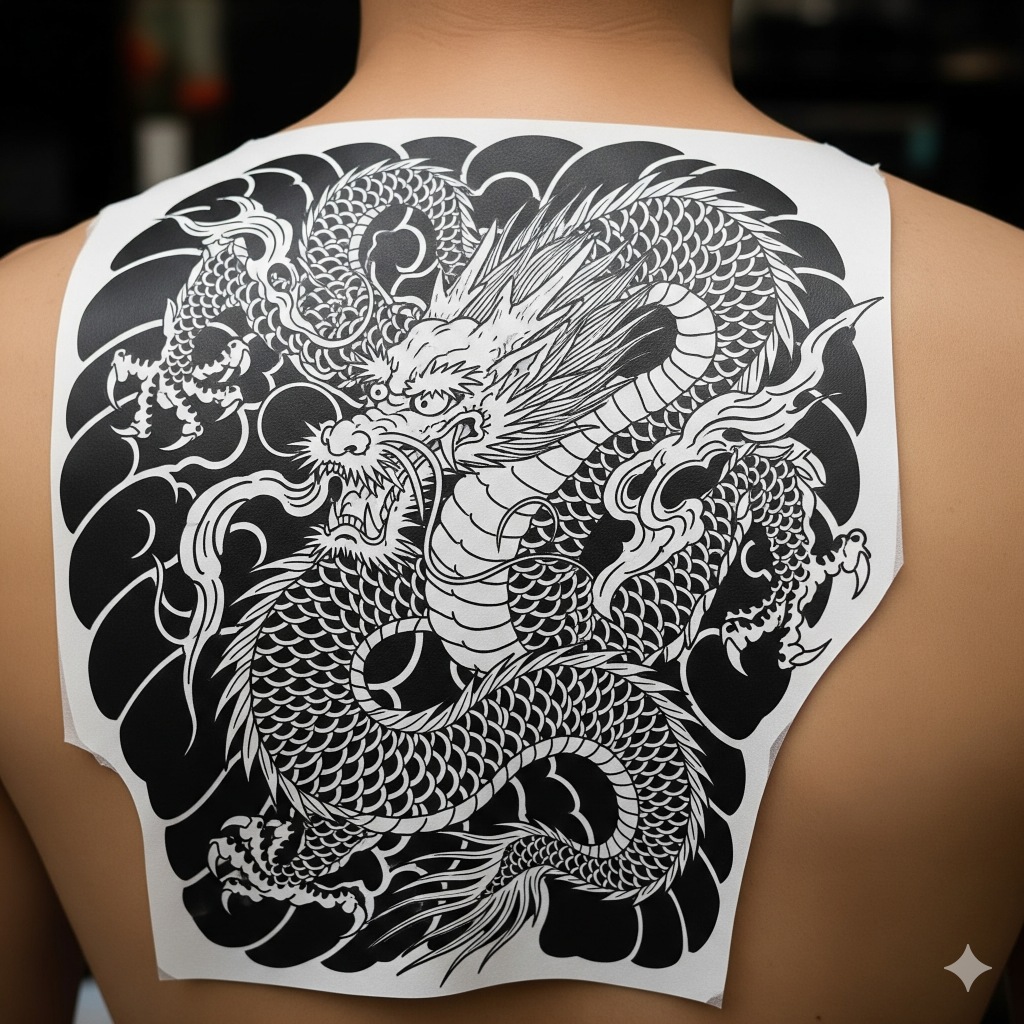
Japanese Irezumi tattoos aren’t just ink on skin—they’re like walking art galleries with a serious story behind each stroke. Irezumi, the traditional style, is packed with bold colors, mythical creatures, and enough symbolism to make your head spin faster than a sushi conveyor belt.
Materials and Tools Used in Irezumi Tattooing
Exploring the materials and tools uncovers the unique craftsmanship behind Irezumi tattoos. We combine tradition with innovation to achieve these stunning designs.
Traditional Tools for Irezumi
The primary traditional tool in Irezumi is the Tebori, a hand-held wooden handle with needles attached. We use this needle cluster to manually tattoo the skin through repetitive hand motions. The Tebori creates precise lines and shading that machines struggle to replicate. Bamboo tubes and silk threads sometimes assist in stabilizing the needle group. Although time-consuming, this method offers an unmatched connection to tradition and detail.
Modern Tools and Equipment
We incorporate electric tattoo machines in contemporary Irezumi practices for efficiency and consistency. Coil machines and rotary machines adapt well to the detailed and broad areas in the designs. Power supplies, sterilizers, disposable gloves, and single-use needles ensure safety and hygiene. Our modern setup often speeds up the process without sacrificing craftsmanship.
Ink Types and Colors
Irezumi requires high-quality pigment-based inks known for longevity and vibrancy. We select traditional colors like indigo blue, crimson red, black, green, and yellow. These colors hold symbolic meanings such as courage, protection, and prosperity. Specialty inks with organic or mineral bases sometimes mimic historical formulas. We pay attention to color saturation and contrast to keep the visual story vivid over time.
Key Elements of Japanese Tattoo Design
Mastering the art of Japanese tattoo design requires understanding its key elements. These components combine to form the vivid stories that cover skin in this ancient style.
Common Irezumi Motifs and Their Meanings
We identify three major motifs in Irezumi tattoos:
- Dragons symbolize strength, wisdom, and protection. They often coil with fierce energy across backs and arms.
- Koi fish represent perseverance and luck, frequently shown swimming upstream against currents.
- Cherry blossoms reflect the fleeting nature of life and beauty in delicate pink petals.
These motifs serve as narrative anchors, each one carrying a cultural tale that enriches the tattoo.
The Role of Color and Shading in Irezumi
Colors and shading dominate the impact of Irezumi. We rely on specific pigments—indigo blues evoke calm depth, crimson reds shout bravery, and black ink outlines define bold shapes. Shading techniques create dimensionality that machines struggle to mimic. Gradual color blends emphasize muscle contours and movement, turning static ink into lively artwork.
Symbolism in Japanese Tattoo Art
Symbolism drives the heart of Irezumi. We embed meanings into creatures like tigers, which signify protection against evil spirits. Peonies convey wealth and honor, and waves represent resilience through turbulence. This language of symbols extends beyond decoration; each tattoo acts as an emblem of values and life lessons tattooed on the body.
Preparing for an Irezumi Tattoo
Getting ready for an Irezumi tattoo embraces respect for tradition and personal expression. Each step shapes the masterpiece we carry for life.
Choosing the Right Design for You
Start by researching classic Irezumi motifs like dragons, koi fish, and cherry blossoms. Focus on symbols that resonate with personal stories or values. Match colors such as indigo blue for courage or crimson red for protection to meanings that matter. Sketch multiple options or create mood boards if aiming for a large piece. Avoid rushing since this design paints our narrative in vibrant ink.
Finding a Skilled Irezumi Tattoo Artist
Prioritize specialists experienced in Tebori techniques or traditional machine work mimicking them. Review portfolios emphasizing clean lines shading depth and adherence to cultural motifs. Schedule consultations to discuss design nuances session length and aftercare. Remember expertise translates to less pain and superior artwork which makes the process smoother and results legendary.
Understanding the Tattooing Process and Pain Management
Expect multiple lengthy sessions depending on size and complexity. Tattooing involves repetitive needle punctures requiring mental toughness and physical stamina. Prepare by maintaining hydration adequate sleep and avoiding alcohol or blood thinners. Use topical numbing agents if recommended but keep realistic expectations since traditional Tebori may feel more intense. Focus on breathing techniques and distractions to manage discomfort during sessions.
Step-by-Step Process of Creating an Irezumi Tattoo
Creating an Irezumi tattoo requires precision and respect for the art form. Let’s walk through the main stages without losing any ink.
Designing the Tattoo: Sketching and Placement
Starting with detailed sketches ensures the artwork fits the body’s natural curves. We draft motifs like dragons or koi fish with bold outlines then refine shading and color placement. Selecting placement happens next because the back, arms, or thighs serve as traditional canvases, offering enough space for storytelling. We balance visual flow while respecting cultural significance linked to each area. For example, the back showcases grand narratives while sleeves display more compact themes.
Stenciling and Skin Preparation
Applying stencils next transfers the exact design onto the skin to guide needlework. We clean and shave the area thoroughly which creates a smooth surface and reduces infection risks. Using stencil fluid or thermal paper ensures the image stays crisp during sessions. Proper skin prep also includes disinfecting and sometimes light numbing to handle lengthy sittings needed for complex Irezumi.
Traditional Tattooing Techniques vs. Modern Methods
Traditional Irezumi uses Tebori—a hand-poked method involving wooden handles with bundled needles to create rich textures inside the skin. We achieve shading and linework impossible for machines to replicate, adding depth and authenticity. Modern electric tattoo machines speed up the process and can reduce discomfort, which helps for large or multiple sessions. However, many artists combine both techniques, preserving heritage while embracing innovation for efficiency and client comfort.
Aftercare for Irezumi Tattoos
Taking care of Irezumi tattoos right after getting inked and beyond keeps colors vibrant and designs sharp. Following precise steps helps skin heal smoothly and prevents your new dragon or koi from turning into a moody watercolor.
Immediate Aftercare Instructions
Clean inked skin gently with lukewarm water and mild soap at least twice daily during the first 3 days. Apply a thin layer of fragrance-free healing ointment like Aquaphor or a tattoo-specific balm 2 to 3 times daily; overdoing it causes clogged pores and grumpier skin. Avoid soaking in baths or swimming pools for 2 weeks since prolonged moisture can damage fresh ink. Wear loose clothing to prevent friction and keep your masterpiece from turning into a rash party. Resist scratching or picking at scabs which form naturally—they disappear by themselves like good magic.
Long-Term Skin Care for Vibrant Tattoos
Hydrating tattooed skin daily with unscented lotion maintains elasticity and color brightness long after the initial healing. Using broad-spectrum sunscreen of SPF 30 or higher limits UV damage that fades pigments, especially on exposed spots like arms and shoulders. Regular moisturizing prevents dryness and cracking which dull details and reduce longevity. Staying hydrated by drinking water aids overall skin health, enhancing tattoo appearance as years roll by. Keeping tattoos clean and dry during workouts and outdoor activities avoids unnecessary irritation and color loss.
Common Healing Issues and How to Address Them
Redness lasting over 5 days or excessive swelling signals irritation or infection; consulting a medical professional avoids complications. Peeling skin or mild itchiness reflects normal healing but scratching escalates risk of scarring. Using cool compresses soothes discomfort while avoiding hot showers prevents inflammation flare-ups. White patches or uneven color in healed areas often stem from dryness or poor aftercare; increasing hydration and patience improves results. If unusual bruising or pus appears seek professional advice immediately to keep your artwork looking auspicious not awful.
Tips and Warnings for Getting an Irezumi Tattoo
Getting an Irezumi tattoo involves more than just sitting in the chair. Understanding cultural significance, safety, and alternative options keeps us on the right path.
Cultural Respect and Appropriation Awareness
Honor Japanese culture by researching Irezumi’s meaning thoroughly. Choose designs that genuinely connect with our stories instead of copying symbols blindly. Engage with artists who respect traditional methods to preserve authenticity. Avoid using Irezumi motifs as mere fashion statements or easy tattoo picks. Remember, cultural appropriation isn’t a souvenir shop—it’s a responsibility we carry on our skin.
Health and Safety Considerations
Prioritize hygiene when picking a tattoo studio. Verify the artist uses sterilized needles and disposable gloves to avoid infections. Anticipate multiple long sessions since Irezumi designs are complex and extensive. Manage pain by preparing mentally and physically; we can’t exactly cry “uncle” mid-dragon. Follow aftercare instructions rigorously, including gentle cleaning and avoiding sun exposure, to preserve vibrant colors and skin health. Seek medical help immediately if unusual swelling, redness, or pus appears.
Alternative Approaches to Japanese-Inspired Tattoos
Explore neo-Irezumi or fusion styles when traditional tattoos feel too intense or permanent. These blend Japanese motifs with modern techniques or smaller designs that fit different lifestyles. Consider temporary tattoos or henna versions for testing how Irezumi looks and feels. Remember, Japanese-inspired tattoos without understanding may risk losing cultural layers—so make choices thoughtfully to wear respect proudly.
Troubleshooting Common Problems with Irezumi Tattoos
Even the fiercest dragon or luckiest koi can have off days when it comes to your skin art. Let’s tackle some common hiccups in the world of Irezumi tattoos and keep those stories vibrant.
Dealing with Fading and Ink Loss
Sun exposure, friction, and time cause fading and ink loss in Irezumi tattoos. Using broad-spectrum sunscreen daily protects colors like crimson red and indigo blue from UV damage. Wearing loose clothing avoids rubbing the design off prematurely. Moisturizing with fragrance-free lotion maintains skin elasticity and prevents cracking around inked areas. Touch-ups every 3 to 5 years restore sharp lines and vibrant shading without compromising traditional artistry.
How to Manage Infection or Allergic Reactions
Redness, swelling, or pus after getting inked signals infection or allergic reaction. Cleaning the tattoo gently twice daily with unscented soap and lukewarm water reduces bacteria build-up. Applying a sterile non-stick bandage when necessary keeps the area protected. Using hypoallergenic healing ointments minimizes irritation. Avoid scratching or picking scabs to prevent scarring and further inflammation. If itching or rash persists beyond 72 hours we inspect for allergic reactions, especially to pigment-based inks.
When to Seek Professional Help
Persistent pain swelling or unusual discharge after 48 hours requires immediate consultation with a healthcare professional. Fever or spreading redness signals spreading infection demanding medical intervention. If tattoo colors change drastically or lumps develop under the skin, a dermatologist’s opinion clarifies issues like granulomas or pigment rejection. Early professional advice prevents complications that can dull your celebrated Irezumi narrative.
Conclusion
Diving into the world of Irezumi is like unlocking a secret code of colors, creatures, and culture—only way cooler and way more permanent. Whether you’re drawn to the fierce dragon or the graceful koi, these tattoos carry stories that stick with you (literally).
Remember, getting an Irezumi isn’t just about looking awesome; it’s about honoring a centuries-old tradition that demands respect, patience, and a bit of bravery—especially when that needle starts buzzing.
So, if you’re ready to wear a masterpiece that’s part art, part legend, and all heart, make sure you pick a skilled artist, prep yourself, and keep that tattoo happy with some TLC. Your skin will thank you—or at least won’t scream too loudly.
Frequently Asked Questions
What is Irezumi in Japanese tattoo art?
Irezumi is the traditional Japanese tattoo style featuring vibrant colors, mythical creatures, and rich symbolism. It is a form of storytelling and cultural expression unique to Japan.
What tools are traditionally used for Irezumi tattoos?
The Tebori, a hand-held wooden handle with needles, is the traditional tool used in Irezumi. It allows for precise lines and shading that electric machines can’t replicate.
What do common Japanese tattoo motifs like dragons and koi fish symbolize?
Dragons symbolize strength and protection, while koi fish represent perseverance and luck. Cherry blossoms often reflect the fleeting nature of life.
How important is color in Irezumi tattoos?
Color and shading are crucial in Irezumi, with pigments like indigo blue and crimson red carrying symbolic meanings such as courage and protection, enhancing each tattoo’s depth.
What should I consider before getting an Irezumi tattoo?
Choose a design that resonates with your personal story, find a skilled artist experienced in traditional techniques, and mentally prepare for lengthy sessions.
How is the Tebori method different from modern tattoo machines?
Tebori is a hand-poked technique using wooden handles and needles for detailed shading and texture, while machines use electric needles for speed and efficiency.
What are the essential aftercare tips for an Irezumi tattoo?
Clean gently, apply fragrance-free ointments, avoid soaking or tight clothing, stay hydrated, and use sun protection to maintain vibrancy and prevent fading.
Is it important to respect Japanese culture when getting an Irezumi?
Yes, respecting cultural significance and avoiding appropriation is vital. Thorough research into Irezumi’s meanings helps honor the tradition rather than using it as a fashion statement.
Can modern tattoo artists combine traditional and electric techniques?
Yes, many skilled artists blend traditional Tebori with electric machines to preserve heritage while enhancing comfort and efficiency.
How can I troubleshoot common problems with my Irezumi tattoo?
Use sunscreen, wear loose clothing, moisturize regularly, gently clean the area, and seek professional help if you experience infection or allergic reactions.