
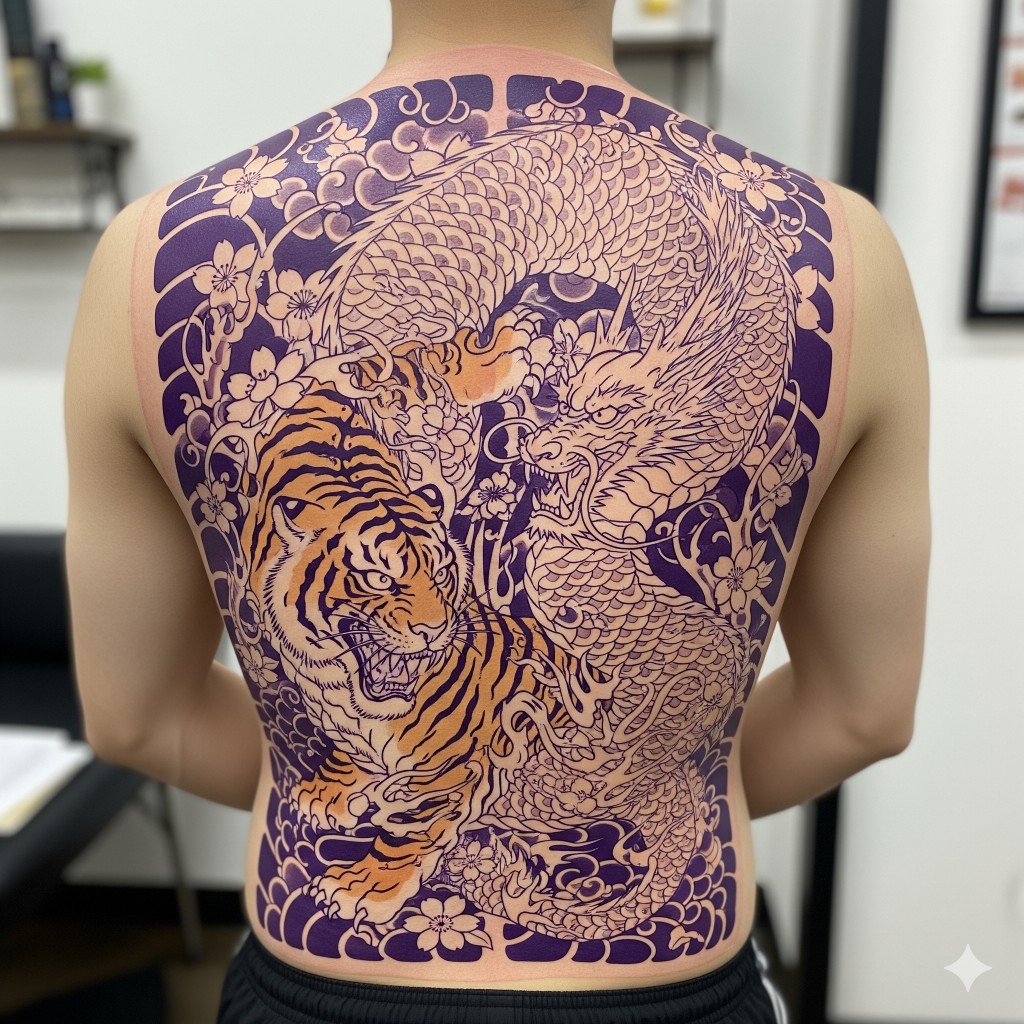
Japanese tattoo design, or Irezumi, isn’t just about ink—it’s a whole vibe. We’re talking bold colors, fierce dragons, and koi fish that look like they might swim right off your skin. If you’ve ever wondered how to turn your body into a living work of art without accidentally ending up with a doodle that looks like your kid did it, you’re in the right place.
We’re diving into some killer Irezumi template ideas that’ll make you want to book a tattoo session faster than you can say “sakura blossom.” Whether you’re into traditional motifs or want to mix in a little modern flair, these designs bring a perfect blend of history and badassery. So, let’s roll up our sleeves and get inspired—your next tattoo might just be a masterpiece waiting to happen.
Materials and Tools Needed for Creating Irezumi Templates
Creating Irezumi templates demands precision and the right toolkit. Let’s break down what equips us to craft stunning Japanese tattoo designs that pop like a koi fish at a sushi bar.
Drawing Supplies and Digital Tools
Sketchpads, charcoal pencils, and fine liners provide the tactile feel we crave when designing traditional Irezumi motifs. Digital tablets like Wacom or iPads with Procreate offer flexibility and endless color palettes. We use reference books, for example The Art of Irezumi by Horiyoshi III, to stay true to classic elements while exploring fresh takes. Layering templates digitally speeds up revisions but nothing beats that original hand-drawn flair.
Tattoo Machine and Ink Basics
High-quality tattoo machines include coil and rotary types, each suiting different line work or shading needs. We pick machines that handle thick, bold lines for dragons or delicate scales for koi fish gracefully. Pigments range from vibrant reds and deep blues to classic black outlines, sourced exclusively from reputable brands like Eternal and Intenze. Using the correct needle sizes, for instance 9RL for lining or 7RS for shading, ensures crisp details without skin trauma.
Preparing the Skin for Tattooing
Cleansing the skin with antiseptic solutions like chlorhexidine establishes a safe canvas. Shaving the area with disposable razors removes any obstacles to smooth ink deposits. Applying stencil transfer gels helps position our Irezumi template accurately, reducing guesswork during tattooing. We manage excess moisture with sterile wipes to maintain stencil clarity. Proper skin prep improves ink retention, letting our designs roar like a Japanese dragon unleashed.
Understanding the Elements of Japanese Tattoo Design
The world of Japanese tattoo design operates on a language of symbols, colors, and motifs. Grasping these elements sharpens our appreciation and selection of Irezumi templates.
Common Motifs (Koi Fish, Dragons, Cherry Blossoms)
Koi fish swim upstream symbolizing perseverance against adversity. Dragons blaze with power and wisdom conjuring protection and good fortune. Cherry blossoms bloom briefly marking life’s fleeting beauty and the inevitability of change. Each motif fills our canvas with stories worth more than just ink.
Symbolism Behind Traditional Images
Traditional images in Irezumi code complex emotions and beliefs. Tigers warn of courage and defense, while waves symbolize resilience amid constant flux. Peonies flaunt wealth and honor. When we ink these symbols we wear rich histories telling tales that stretch back centuries.
Color Usage and Meaning in Irezumi
Red sparks passion, energy, and sometimes danger. Black marks mystery and formality anchoring designs in boldness. Blue shades calm and inspire tranquility evoking water and sky. Yellow shouts optimism and cheerfulness breaking monotony with brightness bright enough to wake the dead—even if just figuratively. Applying colors with intention sets a design’s emotional tone before a single needle pricks the skin.
How to Create Japanese Tattoo Design Irezumi Templates
Creating Irezumi templates demands both respect for tradition and a dash of artistic boldness. Let’s dive into how to nail these designs with style and precision.
Research and Inspiration Gathering
Start by diving headfirst into the rich ocean of Japanese tattoo art. Collect references such as images of classic dragons, koi fish, cherry blossoms, and waves. Study historical tattoos from ukiyo-e prints and museum collections to grasp authentic motifs and compositions. Explore the symbolism behind each element, so our designs carry meaning, not just flair. Compile at least 20 different images or sketches for varied inspiration.
Sketching Traditional Designs by Hand
Grab a sketchpad and charcoal pencils to bring your ideas to life with human touch. Begin with rough outlines of main motifs, making sure to respect traditional proportions and flow. Layer in details like scales, petals, and shading gradually to add depth. Keep sketches loose at first; tightens after reviewing the composition. Use reference lines to maintain balance and flow across the design. Repeat sketches 3 to 5 times until confident before moving on.
Using Digital Software for Template Creation
Open design software like Procreate, Adobe Illustrator, or Clip Studio Paint to digitize sketches when feeling fancy. Trace hand sketches using a graphic tablet for precision and the option to resize without losing quality. Utilize layers to separate outlines, shading, and colors making edits painless. Apply vector paths and symmetry tools to achieve crisp lines and traditional curves. Save templates in formats like PNG and SVG for convenient printing and transfer onto skin.
Benchmarking manual skill with digital finesse, we create Japanese tattoo design Irezumi templates that fuse heritage with modern craftsmanship without breaking sweat.
Techniques for Designing Irezumi Templates
Crafting Irezumi templates requires mastering techniques that respect tradition while showcasing artistic flair. Let’s dive into key methods that shape these striking designs.
Incorporating Flow and Movement
Start designs with flow and movement that echo the body’s natural lines. Position dragons twisting along the spine or koi fish swimming up the arm captures life in motion. Use curving waves and swirling clouds to guide the eye smoothly across the tattoo. Avoid rigid or static forms since they fight the body’s contour. Instead, shape each element to perform a visual dance, because stiff Irezumi templates belong in a museum, not on skin.
Balancing Size and Placement on the Body
Consider size and placement like pizza toppings—too much of one and the balance is off. Design large motifs such as phoenixes or tigers to fit broad areas like the back or chest. Reserve smaller motifs like cherry blossoms or maple leaves for shoulders and calves. Align elements with muscles and curves to enhance the artwork’s impact. Make sure designs don’t squash into corners or float awkwardly; every inch of canvas deserves attention, not just a few popular spots.
Layering Elements for Depth and Detail
Stack elements in layers that create depth without clutter. Start with bold backgrounds such as waves or wind bars. Add mid-layer motifs like dragons or cranes with medium detail. Finish with fine accents like flower petals or scales that pop in close-up views. Use shading and color gradients to amplify dimension instead of relying on outlines alone. Build templates like a well-crafted sandwich, where ingredients shine individually but combine into a masterpiece—because nobody wants a flat, flavorless Irezumi.
Tips for Customizing Japanese Tattoo Design Irezumi Templates
Customizing Irezumi templates transforms a classic work of art into a personal masterpiece. Here are tried-and-true tricks to keep your designs fresh and meaningful.
Adapting Traditional Designs for Personal Meaning
Reimagine traditional motifs by swapping colors, adjusting scale, or blending symbols to reflect individual stories. Preserve core elements like a koi’s resolute swim but tweak the water’s flow to mirror personal challenges. Use ancestral icons as foundations and layer on unique details to infuse personal messages without drowning in cliché.
Combining Modern and Traditional Styles
Fuse crisp digital lines with hand-drawn brushstrokes to create a hybrid style that honors the past while embracing present-day aesthetics. Integrate geometric patterns or abstract shading to add contemporary edge beside classic waves and chrysanthemums. Balance is key, so let innovation complement tradition rather than steal the spotlight.
Working with Clients’ Preferences and Ideas
Engage clients by turning vague wishes into vivid visuals. Listen closely and translate ideas into sketches that nod respectfully to Japanese heritage yet speak their language. Offer options like color shifts or size tweaks while explaining how each choice impacts flow and symbolism. Collaboration keeps tattoos personal and prevents ‘tattoo regret’—an art tragedy worse than smudged ink.
Applying Japanese Tattoo Design Irezumi Templates
Our journey into the world of Irezumi designs reaches the skin’s surface. Applying these templates demands precision artistry and a sprinkle of patience.
Transferring the Template to Skin
Begin by cleansing and shaving the targeted skin area; smooth skin invites our template like sushi rice welcomes salmon. Apply the stencil transfer gel evenly. Position the stencil carefully, pressing firmly yet delicately, since too much enthusiasm risks smudges. Peel back the stencil paper slowly to reveal a clear, crisp outline — the tattoo’s temporary blueprint waiting to come alive.
Line Work and Shading Techniques
Start line work with steady hands and a tattoo machine fitted with a fine needle. Trace the stencil with consistent pressure to avoid skipping beats or quirky line wobble. We tackle shading next — use a magnum needle for smooth gradations that mimic the gentle waves of the ocean or the fierce flow of a dragon’s scales. Work in layers lightly to build depth gradually, preventing blotchy shadows that scream “I’m new at this!”
Coloring and Final Touches
Select pigments that honor tradition and pop beautifully against skin tones: deep indigos, fiery reds, and lush greens make our Irezumi sing. Apply colors in thin layers blending carefully to mimic silk and smoke. Add highlights strategically to edges and raised surfaces to enhance three-dimensional illusion. Finish by cleaning and applying an antibacterial ointment, sealing our masterpiece with a protective glow.
Common Issues and Troubleshooting in Irezumi Design
Mastering Irezumi design comes with typical pitfalls that test our patience and creativity. Tackling these challenges head-on ensures our tattoos remain timeless art rather than chaotic scribbles.
Avoiding Design Overcrowding
Prioritize simplicity. Crowding Irezumi designs with too many motifs like dragons, waves, and cherry blossoms causes visual confusion. Leave enough breathing room between elements so each symbol tells its story. Scale back on superfluous details or merge related patterns thoughtfully. Resist the urge to turn every inch into an all-you-can-tattoo buffet.
Fixing Mistakes in the Template
Catch flaws early by reviewing templates under different lights and distances. Redraw lines that feel wonky or inconsistent, especially with traditional thick and thin contrasts. If digital tools betray us with glitches, revert to hand-sketching for clarity. Use layering software features to isolate flaws without scrapping entire templates. Patchwork saves artwork and our sanity.
Managing Color Fading and Skin Reactions
Expect some color fading over years, especially with reds and yellows. Combat this by choosing high-quality pigments known for longevity and advising clients on sun protection. For skin reactions like irritation or allergies, select hypoallergenic inks and conduct patch tests. Hydrating skin properly before and after tattooing also keeps colors vibrant and skin happy. Prevention beats the itch and scratch.
Alternative Methods for Creating Irezumi Designs
Experimenting with alternative methods expands our options for crafting Irezumi designs beyond traditional sketching and digital software. These approaches offer fresh ways to visualize and test our tattoo ideas.
Stencil Making Techniques
Stencil making involves transferring our intricate Irezumi designs onto transfer paper using thermal printers or hand-tracing with stencil pens. Heat-activated stencils create precise outlines fast if we use thermal printers. Hand-tracing provides control and customization for tricky curves when digital tools act like stubborn koi fish. Applying stencil transfer gel onto shaved skin ensures the stencil sticks well, granting us a neat guide for tattooing. Layering multiple stencils for large projects helps avoid design chaos while maintaining flow.
Using Temporary Tattoos for Design Testing
Temporary tattoos act as visual dress rehearsals on our skin. Designing or printing temporary tattoos with our Irezumi templates lets us wear trial runs. Wearing them for a few days tests how designs conform to body movement and skin texture if we prefer not to leap directly into the ink ocean. Observing color fading and size perception on different body parts removes surprise elements before the permanent plunge. Temporary tattoos also boost client confidence by previewing their chosen masterpiece.
Exploring Other Japanese Art Forms for Inspiration
Exploring ukiyo-e prints, sumi-e paintings, or even kabuki makeup broadens our creative horizons. Ukiyo-e woodblock prints offer bold lines and dynamic compositions perfect for adapting into tattoo motifs. Sumi-e ink paintings emphasize simplicity and flow that align with the graceful lines of Irezumi. Kabuki makeup patterns provide striking color contrasts and symbolic shapes that spark original design ideas. Pulling inspiration from these art forms helps us honor tradition while keeping our Irezumi fresh and exciting.
Conclusion
Diving into Irezumi is like signing up for the ultimate body art adventure—full of color, meaning, and just the right amount of badassery. Whether you’re sketching dragons or koi fish, remember it’s all about blending tradition with your own flair.
So, grab your sketchpad or tablet, channel your inner tattoo ninja, and get ready to turn skin into a masterpiece. Just don’t forget to leave some room for pizza—we all know balance is key!
Frequently Asked Questions
What is Irezumi in Japanese tattoo art?
Irezumi refers to traditional Japanese tattooing known for its vibrant colors and intricate motifs like dragons, koi fish, and cherry blossoms, symbolizing various cultural meanings.
What are common motifs used in Japanese tattoo designs?
Popular motifs include koi fish for perseverance, dragons for power, cherry blossoms for life’s fleeting nature, as well as tigers and waves symbolizing courage and resilience.
What materials are essential for creating Irezumi tattoo templates?
Key materials include sketchpads or digital tablets for design, precise drawing tools, tattoo machines suitable for line work and shading, and high-quality inks for vibrant colors.
How do I prepare the skin before applying an Irezumi tattoo?
Preparation involves cleansing, shaving the area, and applying stencil transfer gel to ensure accurate placement and clear transfer of the design onto the skin.
How can I blend traditional and modern styles in Irezumi designs?
Combine hand-drawn motifs with digital lines, adjust colors and scales, and integrate personal elements while respecting traditional proportions and symbolism.
What techniques help create flow and movement in Irezumi tattoos?
Align designs with the body’s natural contours, balance size and placement thoughtfully, and layer elements to add depth and dynamic visual flow.
How do artists avoid overcrowding in Japanese tattoo designs?
They prioritize simplicity, leave breathing space between motifs, and carefully plan the size and placement to maintain clarity and impact.
Can I test an Irezumi design before making it permanent?
Yes, using temporary tattoos or stencil transfers allows you to see how the design moves on your body and make adjustments before committing to permanent ink.
What are the best practices for maintaining vibrant Irezumi tattoos?
Use high-quality pigments, conduct patch tests to prevent skin reactions, avoid excessive sun exposure, and follow proper aftercare to reduce fading.
Where can I find inspiration for authentic Japanese tattoo art?
Explore traditional sources like ukiyo-e prints, sumi-e paintings, and classic Irezumi art to inspire designs that honor cultural heritage.