
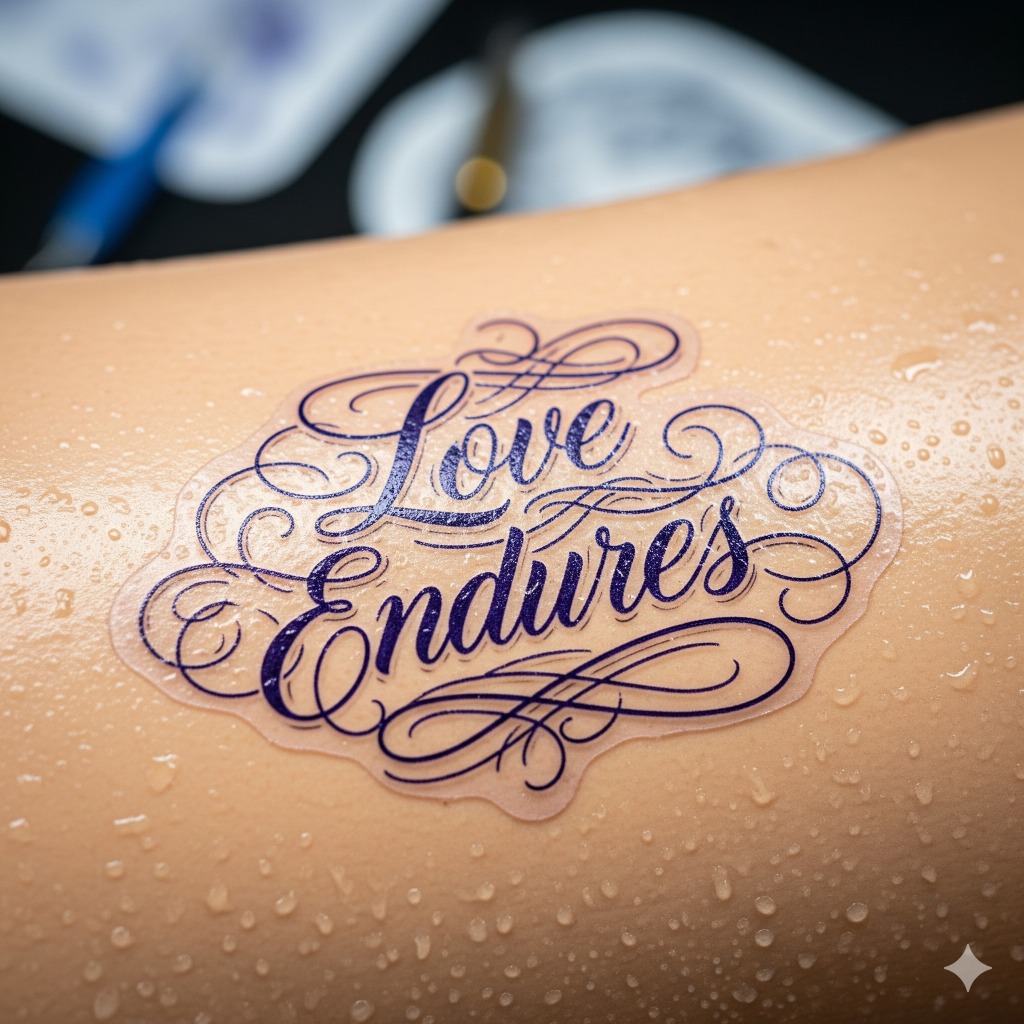
Tattoos are like your personal billboard, but way cooler and way less annoying to look at. When it comes to lettering script tattoos, we get to mix art with words — kind of like turning your favorite quote into a permanent piece of wearable poetry. Whether you want something elegant, bold, or downright quirky, lettering scripts have a style for every mood and personality.
Materials and Tools Needed for Lettering Script Tattoos
Creating crisp lettering script tattoos demands precise materials and tools. We equip ourselves with the essentials that turn fonts into fabulous inked art.
Common Tattooing Tools
We rely on these core tools for sharp script:
- Tattoo Machine: The buzzing hero powering our lines with steady needles.
- Power Supply: Our machine’s café—keeps it fueled without fuss.
- Grip and Tube: Our hand’s best friends for control and comfort during intricate strokes.
- Stencil Paper and Thermal Copier: The blueprint creators for flawless text transfers onto skin.
- Disposable Gloves: The unsung heroes guarding hygiene by the dozen.
- Cleaning Supplies: Antiseptic sprays and wipes ensuring no ink or germs crash the party.
Choosing the Right Ink and Needles
We pick ink and needles like font pairings—each choice impacts the final look of script tattoos.
- Ink Selection: High-quality black ink offers clear contrast and longevity for text; brands like Intenze or Eternal provide saturation that endures wear and time.
- Needle Types: Round liners (3 to 5 needles) craft fine, crisp lines perfect for delicate lettering; round shaders fill slightly thicker strokes without muddying edges.
- Ink Viscosity: Thinner ink supports fluid lines without bleeding, essential for script clarity.
- Needle Configuration: Single needles allow minute details while tight groupings maintain steady strokes on curved letterforms.
We favor weaponry that balances precision with skin-friendly application, making text not just readable but unmistakably stunning.
Selecting the Perfect Lettering Script Style
Choosing the exact lettering script style transforms mere words into a memorable tattoo statement. Our mission targets matching styles to personalities by balancing flair with readability.
Classic Script Styles for Tattoos
Start with classic scripts such as Copperplate, Spencerian, and Italic. These styles offer timeless elegance and fluid strokes perfect for quotes, names, or mottos. Copperplate features sharp contrasts between thick and thin lines while Spencerian brings a graceful roundness. Italic injects subtle flair with its slight slant. Each classic style ensures clarity even years after ink meets skin, making them reliable choices.
Modern and Unique Script Fonts
Explore modern fonts like Brush Script, Gothic Calligraphy, and Handwritten styles. Brush Script mimics casual strokes from ink brushes adding spontaneous energy. Gothic Calligraphy brings bold drama with intricate details suitable for those craving flair and mystique. Handwritten fonts convey intimacy and authenticity, ideal for personal messages. Use modern scripts when seeking a fresh vibe while maintaining legibility.
Combining Script with Other Tattoo Elements
Pair script fonts with decorative elements such as flourishes, banners, or illustrative accents. Flourishes extend letter tails or embed swirls enhancing elegance. Banners frame text providing a classic tattoo vibe. Illustrative accents like feathers or vines link words to nature or symbolism. Combining script and visuals highlights phrases, balancing artistic excitement with clear communication. We recommend testing designs digitally to keep synergy intact and prevent clutter.
How to Choose Meaningful Words and Phrases
Choosing words or phrases for lettering script tattoos drives the tattoo’s emotional punch. Our choice sets the tone; selecting wisely transforms skin into personal storytelling.
Picking Personal and Inspirational Quotes
Picking personal and inspirational quotes taps into our life’s soundtrack. We target quotes from loved ones, favorite book passages, or motivational lines that resonate deeply. Personal quotes like “Carpe diem” or “Stay curious” provide daily doses of inspiration. Especially powerful are phrases linked to memorable moments such as anniversaries or overcoming challenges. We avoid generic platitudes; instead, we hunt for words that keep us motivated on tough days or spark joy regularly.
Language and Typeface Considerations
Language and typeface considerations affect tattoo clarity and style harmony. We pick languages meaningful to our cultural roots or life experiences, like Latin for timeless flavor or Japanese kanji for visual impact. Typeface selection pairs the chosen language with style: Italic scripts suit romantic phrases; Gothic fonts fit bold declarations. We ensure typefaces match the quote’s mood and maintain legibility—like choosing Copperplate for elegance or Handwritten fonts for casual vibes. Testing various combinations on digital mockups prevents mismatches that torture tattoo artists.
Avoiding Common Mistakes in Spelling and Grammar
Avoiding common mistakes in spelling and grammar protects our tattoo’s dignity and humor credibility. Double-check every word through dictionaries or language apps. We verify capitalization and punctuation align with style guides to avoid awkward looks like “Lets live laugh love” without apostrophes. Consulting native speakers for foreign languages rescues us from embarrassing translation errors. Lastly, we read aloud to catch phrasing quirks or unintended meanings before the needle touches skin.
Designing Your Lettering Script Tattoo
Designing your lettering script tattoo sharpens the edge of your personal expression. Crafting a custom design involves blending style, placement, and flair with precision suited to your story.
Customizing Your Script Design
Customizing script designs starts with choosing fonts that suit personality types, whether elegant Copperplate or punchy Brush Script. Pair every letter’s curve with spacing that enhances readability while flaunting your unique vibe. Alter letter sizes within words if needed without messing readability. Test different angles or slants to boost visual appeal without becoming a cryptic message. Adjust thickness variations within strokes for emphasis and style without sacrificing clarity. Play with flourishes cautiously: sprinkle those swirls like seasoning, not dumping the whole spice rack.
Placement and Size Recommendations
Placement dictates tattoo impact more than you guess, so pick visible spots like forearms or subtle zones like ribs depending on flair demand. Match design size to location; smaller scripts fit wrists but elongate legs or backs with larger flows. Consider skin texture and muscle movement since shifting surfaces can warp words faster than a bad pun. Coordinate script orientation with body lines; horizontal aligns with arms and chests, vertical suits fingers or spines. Remember tattoos bend with you—design flexibility solves awkward stretches before needle hits skin.
Incorporating Decorative Elements
Decorative elements dress lettering like accessories on a plain outfit. Add banners under text to frame quotes boldly without cluttering space. Surround letters with flourishes that mimic calligraphy but stop before overtaking main message – think sidekick, not superhero. Use illustrative accents like feathers or flowers sparingly for thematic hints without distracting from words. Balance black ink shading and negative space to create depth without murky muddles. Keep decorations props to your script star; don’t let them steal the spotlight or your tattoo might accidentally become a doodle.
Preparing for Your Lettering Script Tattoo Session
Getting a lettering script tattoo demands as much prep as deciding what quote to immortalize. Let’s dive into how to brace ourselves for a smooth session.
Finding a Skilled Tattoo Artist
Finding a sharp tattoo artist never falls from the sky. Seek out portfolios showcasing clean lines and flawless lettering, especially in script styles like Copperplate or Spencerian. Visit at least three studios, checking hygiene, reviews, and license validity. Choose artists who express confidence in freehand lettering and embrace custom tweaks. A seasoned pro knows that shaky fonts lead to regret — let’s dodge that with expert hands.
What to Expect During the Appointment
Expect the appointment to last one to three hours depending on size and complexity. Expect initial stencil placement to nail perfect alignment before any needle buzzes start. Expect breaks to stretch or adjust if the session runs long. Expect minor discomfort — script designs require precision which means slower, delicate needle movements. Expect inking to feel like a scratching cat on your skin rather than a sledgehammer blow. Expect instructions for aftercare that include keeping the area moist and shielded, because peeling letters turn into patchy prose.
Skin Preparation Tips
Prepare skin by avoiding sunburn, dehydration, or any moisturizers right before the session. Hydrate skin with gentle lotion days before but skip lotion on tattoo day or risk fuzziness in stencil adherence. Prepare clothing that grants easy access to the tattoo site and lets us show off the design afterward without irritants. Prepare mindset for patience and silliness to distract from the prickles — laughing through pain beats grimacing any day.
Aftercare for Lettering Script Tattoos
Keeping lettering script tattoos sharp and stunning depends as much on aftercare as the tattoo artist’s skills. Let’s dive into the essentials for immediate and long-term care that protect those crisp lines and elegant swirls.
Immediate Care Instructions
Start by peeling off the stencil wrap gently after 2 to 4 hours but avoid ripping it like it’s a prize lottery ticket. Wash the tattoo with lukewarm water and fragrance-free, antibacterial soap. Pat dry with a clean towel without turning it into a wrestling match. Apply a thin layer of recommended ointment—never slather on a gooey mound like it’s cake icing. Repeat washing and moisturizing 2 to 3 times daily. Avoid submerging the tattoo in pools, hot tubs, or bathtubs for at least 2 weeks because soaking turns letters into blurry smudges faster than you can say “regret.” Resist picking scabs or scratching itchy spots as that risks losing ink and turning your masterpiece into a Picasso experiment.
Long-Term Maintenance for Script Tattoos
Shield the tattoo from direct sunlight with broad-spectrum sunscreen SPF 30 or higher every outing because UV rays fade ink like a bad relationship fades memories. Keep the skin moisturized daily with unscented lotion to prevent dryness that cracks fine details. Schedule touch-ups every few years to revive fading lines, particularly if your tattoo lives on high-friction spots like fingers or wrists. Wear loose clothing around the tattooed area during intense activities to avoid rubbing away the ink’s crispness. Finally, hydrate and maintain healthy skin through balanced nutrition, which supports ink retention and vibrant appearance over time.
Troubleshooting Common Issues with Lettering Script Tattoos
Even the cleanest lettering script tattoos can hit a snag. Let’s untangle common problems we face and get those lines crisp and messages clear.
Dealing with Blurred or Smudged Lines
Blurred or smudged lines show up when ink spreads under the skin or the artist presses too hard. Small or intricate fonts worsen this because tightly packed letters bleed together. Stretching skin during application helps avoid distortion, but if the tattoo swells or scabs prematurely, blurring increases. Cool compresses reduce swelling, but patience is key since healing takes 2 to 4 weeks. If it stays fuzzy beyond healing, a touch-up with a skilled artist using precise needles tends to sharpen outlines.
Fixing Spelling Errors or Design Flaws
Spelling errors frustrate everyone, especially when permanent. Double-checking stencils before the needle meets skin saves many headaches. When mistakes slip through, cover-ups become the rescue. Designers blend errors into new artwork by expanding or layering fonts and flourishes. Alternatively a laser removal session fades unwanted sections enough to rework the script cleanly. For minimal fixes like missing accents or spacing tweaks, micro touch-ups brighten legibility without overhauling the whole piece.
When to Consider Touch-Ups or Cover-Ups
Touch-ups make sense when fading dulls contrast or minor blurring mars the design after several months. If the tattoo’s message remains intact and overall style is loved a quick session boosts vibrancy. Cover-ups come in when regret or major flaws steal the spotlight. Complex scripts often handle covers better with bolder fonts or added embellishments disguising old marks. Consulting the artist about timing matters because too soon risks damaged skin; waiting at least 3 months typically ensures smoother results.
Alternative Lettering Tattoo Design Ideas
Exploring different lettering tattoo styles sparks creativity and personalization. We expand options beyond classic scripts by adding colorful, sleek, or mixed artistic elements.
Watercolor Script Tattoos
Watercolor script tattoos present vibrant color washes combined with flowing lettering. Artists blend soft gradients of blue, pink, or purple, infusing quotes with a painterly, ethereal effect. Unlike solid black ink scripts watercolors create a splashy mood but risk fading faster. We suggest placing watercolor scripts on areas like the forearm or shoulder where colors pop and aging remains subtle. Maintaining these tattoos requires diligent sunscreen application to preserve brightness.
Minimalist and Fine Line Scripts
Minimalist and fine line scripts craft sleek, delicate tattoos using one-needle precision. These designs rely on thin strokes and simple fonts to express quotes quietly yet elegantly. Ideal spots include fingers, wrists, or behind the ear where detail shines in small size. Since fine lines blur easily if placed in high-friction areas, we recommend avoiding knuckles or joints. For a clean minimalist look pairing these scripts with negative space enhances readability without shouting for attention.
Combining Script with Illustrative Tattoos
Combining script with illustrative tattoos balances word art and imagery for a dynamic visual story. Adding elements like floral vines, feathers, or small animals ties the text into thematic artwork. This fusion enriches meaning while amplifying aesthetic appeal. Placement options include chest near the clavicle or ribs where space allows integration. Careful size and spacing choices ensure neither script nor illustration overwhelms the other, maintaining harmony in design and readability.
Conclusion
Lettering script tattoos are like the perfect mixtape of art and words—personal, stylish, and totally you. Whether you’re going classic, modern, or throwing in a splash of watercolor flair, there’s a script out there ready to tell your story.
Just remember, it’s all about balance: the right font, flawless execution, and a dash of personality. And hey, a little aftercare goes a long way to keep those lines crisp and your ink looking fresh.
So let’s get those quotes, names, or secret mantras ready—because your skin deserves a story worth reading (and showing off). Ready to make your mark? We sure are!
Frequently Asked Questions
What makes lettering script tattoos unique?
Lettering script tattoos combine art and words to create personal, wearable expressions. They transform meaningful quotes into permanent designs that reflect individual style and personality.
Which tools are essential for creating crisp lettering script tattoos?
Key tools include a tattoo machine, power supply, grip and tube, stencil paper, quality black ink, specific needles for fine lines, and cleaning supplies. These ensure precision and cleanliness.
How do I choose the right lettering script style?
Select a style that matches your personality and maintains readability. Classic scripts like Copperplate offer elegance, while modern fonts like Brush Script add distinctive flair.
What kind of phrases work best for lettering script tattoos?
Choose personal, inspirational, or meaningful quotes that resonate deeply. Avoid generic phrases and double-check spelling and grammar to maintain clarity and impact.
How important is tattoo placement for lettering script designs?
Placement affects visibility and design appeal. Popular spots include forearms for visibility or ribs for subtlety. Choose locations that complement the size and style of the tattoo.
How do I prepare for a lettering script tattoo session?
Research skilled artists with strong portfolios in script tattoos, avoid sunburn, keep skin moisturized before the session, wear comfortable clothing for access, and maintain a calm mindset.
What aftercare is needed for lettering script tattoos?
Clean the tattoo gently with lukewarm water and antibacterial soap, apply ointment, avoid picking scabs, keep it moisturized, use sunscreen, and wear loose clothing to ensure proper healing.
How to fix common lettering tattoo issues like blurring or spelling mistakes?
Blurring might require touch-ups; for spelling errors, check stencils carefully before tattooing. Significant mistakes can sometimes be corrected with cover-ups or laser removal.
What alternative lettering tattoo styles can I consider?
Watercolor scripts, minimalist fine-line fonts, and combined text with illustrative tattoos offer varied looks, enhancing visual appeal while maintaining script readability.
Why is quality ink and needle selection important in lettering tattoos?
High-quality ink and precise needles ensure crisp, clear lines that make the script easy to read and visually appealing, contributing to the tattoo’s long-lasting beauty.