
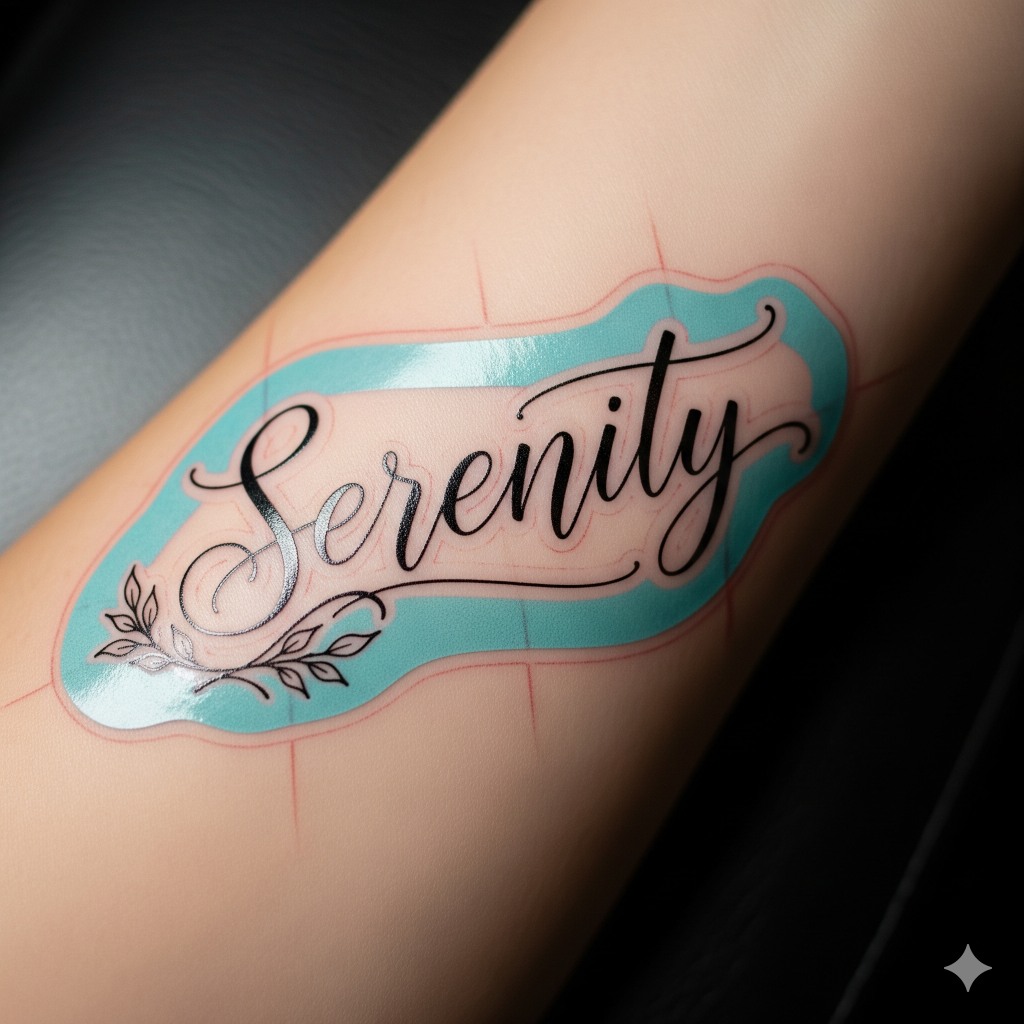
Tattoos have a way of telling our stories without uttering a single word. And when it comes to lettering script tattoo design sleeves, well, they’re like the novel versions of body art—except way cooler and less likely to get dog-eared. Whether it’s a favorite quote, a secret mantra, or just some fancy calligraphy that makes us look like poetic rebels, these sleeves wrap our arms in meaning and style.
We’ve all seen those sleeves that look like a handwritten letter from a mysterious pen pal—or maybe a dramatic diary entry we’d never share out loud. The beauty of lettering script tattoos is that they blend art and expression into one flowing masterpiece. So, if you’re thinking about turning your arm into a walking, talking storybook, buckle up—we’re diving into the world where ink meets inspiration with a splash of flair.
Materials and Tools Needed for Designing Lettering Script Tattoo Sleeves
Crafting lettering script tattoo sleeves demands precision and creativity. Let’s dive into the essential gear that turns ideas into unforgettable ink.
Essential Tattoo Design Tools
- Tattoo Machines: Rotary machines for smooth lines and coil machines for bold strokes bring lettering scripts to life.
- Needles: Use liners with fine groupings like 3RL or 5RL for crisp script details.
- Inks: Choose high-quality black ink for timeless script or colored inks for a splash of personality.
- Stencil Paper: Transfer lettering designs flawlessly to the skin using thermal or hectograph stencil paper.
- Gloves and Sanitizers: Keep everything hygienic because clean hands make clean lines.
Recommended Fonts and Software for Design
- Fonts: Opt for script fonts like “Great Vibes,” “Brush Script,” or “Alex Brush” to capture elegant or bold lettering vibes.
- Software: Harness Adobe Illustrator for vector precision, Procreate for hand-drawn finesse, or Inkscape for free but powerful typography design.
- Font Pairing: Mix cursive scripts with serif or sans-serif fonts to add visual interest without turning your sleeve into a font circus.
Sketching Supplies for Drafting Designs
- Pencils: Grab mechanical pencils for consistent line weight or traditional graphite pencils graded HB to 4B for shading variety.
- Erasers: Use kneaded erasers to lift graphite without wrecking your paper — perfect for refining script curves.
- Paper: Heavyweight sketch pads or tracing paper help in layering designs and testing flow without a paper rebellion.
- Rulers and French Curves: Rulers enforce straight edges, while French curves help master those swooping script tails.
Equipped with these materials and tools we enter the arena of lettering script tattoo sleeves, ready to turn arms into story-filled canvases.
Planning Your Lettering Script Tattoo Sleeve
Planning makes our lettering script tattoo sleeve look less like a doodle gone wild and more like a masterpiece. Let’s break down the essentials.
Choosing the Right Script Style for Your Sleeve
Start with script styles that match our personality and the message we want to share. Calligraphy, cursive, brush lettering—each brings a unique vibe. For example, elegant scripts like Copperplate suit classic quotes, while bold graffiti scripts scream urban cool. Pick legible fonts since even the best tattoo isn’t worth a guessing game.
Selecting Meaningful Words and Phrases
Words matter here more than in a text chain to a friend. Choose quotes or phrases that reflect values, memories, or mottos. We could use favorite lines from books, song lyrics, or even a personal mantra. Keep the word count reasonable to avoid running out of arm real estate—8-15 words usually strike balance between impact and space.
Considering Sleeve Placement and Flow
The arm is our canvas with curves and muscles dictating the flow. Plan to follow natural lines for a smooth look. Wrapping text around the forearm demands attention to readability from different angles. Also consider gaps for future tattoos so our sleeve doesn’t end up looking like a jigsaw puzzle with missing pieces.
Tips for Creating a Balanced Design Layout
Balance is where tattoo sleeves don’t tip into chaos. Mix larger script elements with smaller filler words or decorative swirls to spread visual interest. Space letters evenly to prevent cramped spots or awkward spills. Sketch multiple layouts before settling—our arms deserve a layout as thoughtful as a cat plotting world domination.
Creating Your Lettering Script Tattoo Sleeve Design
Let’s dive into crafting that lettering script tattoo sleeve. Our aim is a design that flows smoothly while telling your story in ink.
Step 1: Sketching Basic Lettering Shapes
Begin by drawing simple letter shapes. Use light strokes and basic forms—no need to channel calligraphy gods yet. Think of it as your tattoo’s skeleton. Sketch each letter’s height and width, keeping consistent spacing between them. This creates a foundation that avoids awkward squishing or excessive gaps. If letters look cramped, expand spacing; if too loose, tighten it up.
Step 2: Refining Lettering and Adding Flourishes
Enhance the basic shapes with elegant curves and swashes. Add loops and tails to your letters, but avoid turning the script into a spaghetti mess. Balance flamboyance and readability by choosing flourishes that complement rather than overpower. Remember that fewer flourishes can pack a stronger punch than a wild party on your arm.
Step 3: Integrating Lettering with Sleeve Elements
Blend the lettering with other sleeve components like shading, floral patterns, or geometric shapes. Let the letters wrap naturally around the arm’s contours, flowing with muscles and bones instead of fighting them. Match letter thickness with surrounding elements’ weight to unify the design. If you spot clashing styles, adjust size or style for harmony rather than chaos.
Step 4: Finalizing the Design for Tattooing
Prepare a clean, high-contrast stencil of the final design. Double-check line thickness and spacing to ensure the tattoo artist has a crisp blueprint to trace. Place your design on flat and curved arm parts in digital mockups or on paper wraps. If any part looks funky or unreadable, tweak before giving it the green light—we all want ink that impresses, not embarrasses.
Techniques for Effective Lettering Script Tattoos
Mastering lettering script tattoos demands precision, patience, and the right techniques. Keeping letters crisp and readable while adding artistic flair transforms a simple script into a stunning sleeve.
Tips for Clean Line Work in Script Tattoos
Prioritize steady hand motion and consistent machine speed throughout the tattoo session. Use single needles or fine liners sized between 3 to 5 points for delicate strokes. Maintain a perpendicular angle to the skin avoiding dragging or stretching to prevent wobbly lines. Frequent wiping removes excess ink improving line clarity. Conduct patch tests on curved areas ensuring ink flow remains uniform. When outlines require perfection run a second pass only if the skin tolerates it well without irritation.
Shading and Highlighting Techniques for Script
Apply soft gradient shading behind or within letters to create depth while preserving legibility. Use magnum needles with a gentle hand pressure for smooth transitions instead of harsh dots. Highlight essential curves and loops with subtle white ink accents enhancing contrast against darker shades. Avoid over-shading that clutters letters making them illegible from a distance. Consistently blend edges for a polished finish that complements script fluidity.
Adapting Lettering for Curved Surfaces
Map out the arm’s natural curves before starting ensuring letter shapes deform gracefully with muscle movement. Stretch or compress letter widths within 10% limits to maintain uniform stroke thickness. Angle letters slightly to follow biceps, forearms, or wrists preventing distortion during flexing or relaxing. Test stencil placement in multiple poses to predict how the lettering will appear when the skin moves. When transitioning from flat to curved areas soften flourishes and avoid tight loops that could merge or blur over rounded surfaces.
Preparing for the Tattoo Session
Preparing for a lettering script tattoo sleeve session requires a mix of communication, choice, and skincare to ensure the experience goes as smoothly as our ink flows.
Communicating Your Design to the Tattoo Artist
Clarifying the design details avoids unwelcome surprises and chaotic scribbles. Sharing a clear, finalized sketch along with font examples such as “Great Vibes” guarantees our artist sees exactly what we imagine. Explaining personal meanings behind words fuels the artist’s inspiration and accuracy. Discussing placement specifics helps align the script with the arm’s natural curves. Bringing a digital file in formats like PDF or AI supports crisp stencil creation. Open dialogue about size, shading, and flourish preferences cuts down on hiccups during the session.
Choosing the Right Tattoo Artist for Script Work
Selecting a tattoo artist proficient in script requires checking portfolios focused on lettering clarity and style consistency. Prioritizing artists with multiple script sleeve projects ensures familiarity with large-scale letter flow. Reading reviews or asking for recommendations boosts confidence in their precision and hygiene standards. Confirming the artist’s comfort with various script types—cursive, calligraphy, graffiti—matches the desired aesthetic. Booking consultations helps establish rapport and sets expectations for endurance and session length.
Pre-Tattoo Skin Care Tips
Moisturizing the skin daily for at least a week before the appointment creates a smooth canvas that inks settle into nicely. Avoiding sunburns or tanning prevents redness and peeling that can disrupt tattoo application. Staying hydrated enhances skin elasticity and healing. Skipping alcohol and caffeine 24 hours prior keeps the skin less prone to bleeding and swelling. Wearing loose clothing on the session day allows easy access to the arm and avoids friction post-session. Getting a good night’s sleep powers up endurance for sitting still while the needles dance.
Aftercare for Lettering Script Tattoo Sleeves
Proper aftercare protects the craftsmanship of lettering script tattoo sleeves and keeps the ink crisp like a fresh print.
Immediate Aftercare Instructions
Keep the tattoo covered with the artist’s sterile wrap for 2 to 6 hours. Gently wash with lukewarm water and fragrance-free antibacterial soap to remove excess ink and plasma. Pat dry with a clean paper towel avoiding any harsh rubbing. Apply a thin layer of recommended ointment such as Aquaphor or a tattoo-specific balm. Repeat washing and moisturizing 3 to 4 times daily while avoiding soaking the tattoo in water.
Long-Term Care to Preserve Script Clarity and Detail
Moisturize daily using unscented lotion to prevent dryness that dulls sharp lines. Always apply broad-spectrum sunscreen with an SPF of 30 or higher when exposed to sunlight. Wear protective clothing in strong sun or during outdoor activities to preserve the contrast and intricate details. Avoid excessive friction from tight clothes or rough fabrics that can blur fine lettering over time.
Common Healing Issues and How to Address Them
Peeling and flaking happen naturally between days 3 and 7 as the skin regenerates; avoid picking or scratching to prevent damage or ink loss. Redness and mild swelling may occur initially but should subside within 72 hours; persistent irritation might require consulting a healthcare professional. Small scabs that develop protect the tattoo underneath—let them fall off naturally to maintain the script’s crisp edges. If signs of infection arise such as pus, intense redness, or fever, seek medical attention promptly.
Troubleshooting Common Issues in Lettering Script Tattoo Design Sleeves
Every masterpiece faces hiccups. Let’s tackle frequent challenges with lettering script tattoo sleeves to keep our ink crisp and charming.
Fixing Blurred or Smudged Script Tattoos
Blurred or smudged tattoos create an unwanted Picasso effect that nobody signs up for. Straighten the needle depth first because too deep placement spreads ink beneath skin layers. Check ink quality next since low-grade ink migrates faster, causing smudging. Apply proper aftercare; excessive moisture or friction fades crispness. If blurring persists after healing, professionally scheduled touch-ups define edges sharply while preserving original artistry.
Dealing with Uneven Lettering or Spacing
Uneven lettering or awkward spacing reads like a typo on your arm’s page. Maintain consistent stencil application to avoid design distortion during tattooing. Steady hand and machine speed balance line uniformity so letters match visually. Pre-planning spacing with guides or grids prevents scrunched or stretched words. If unevenness shows post-tattoo, minor touch-ups realign and fill gaps with fresh ink without redesigning entire sections.
When to Consider Touch-Ups or Redesigns
Touch-ups boost vibrancy and fix minor wear but redesigns rewrite the narrative boldly. Schedule touch-ups within 6 to 12 months after healing to renew faded lines or shading without overdoing it. Consider redesigns if original font choice hampers readability or tattoo trends change dramatically. Redesign gets especially attractive if arm anatomy shifts with age or muscle gain, making original script quirky or cramped. Choosing between them depends on tattoo condition and how much story we want to retell.
Conclusion
Lettering script tattoo sleeves are like walking novels inked on our arms—except way cooler and less likely to get dog-eared. They let us wear our stories, mantras, and favorite fonts with pride, turning skin into a personal masterpiece.
Sure, the journey from sketch to healed ink takes patience, precision, and maybe a little caffeine, but the result? Totally worth it. So whether you’re a calligraphy nerd or just someone who loves a good quote, let’s keep those sleeves flowing and those letters shining bright. After all, life’s too short for boring tattoos!
Frequently Asked Questions
What is a lettering script tattoo sleeve?
A lettering script tattoo sleeve is a tattoo design on the arm that features words, quotes, or artistic calligraphy. It serves as a personal story or expression, turning the arm into a canvas of meaningful ink art.
What tools are needed to design lettering script tattoos?
Essential tools include rotary or coil tattoo machines, various needle types, high-quality inks, stencil paper, sketching materials like mechanical pencils, heavyweight paper, and design software such as Adobe Illustrator.
How do I choose the right script style for my tattoo sleeve?
Select a script that reflects your personality and the message you want to convey. Consider readability, aesthetics, and how the style flows with your arm’s natural lines.
What is the best way to plan a lettering script tattoo sleeve?
Plan by choosing meaningful words or phrases, mapping the design to follow your arm’s contours, and balancing large and small elements for a visually appealing layout.
How should I prepare sketches for my tattoo design?
Start with basic lettering shapes, maintain consistent spacing, refine with elegant flourishes, and ensure the design flows cohesively with the arm’s shape.
What techniques ensure clean and precise script tattoos?
Use a steady hand, consistent machine speed, and single needles for fine lines. Incorporate soft shading and subtle highlights to enhance depth and contrast.
How can lettering be adapted for curved areas of the arm?
Map out the arm’s natural curves, adjust letter shapes accordingly, and maintain uniformity and legibility even as the skin moves.
What should I discuss with my tattoo artist before the session?
Share finalized sketches, clarify design details, explain the personal meaning, and confirm the artist’s experience with script tattoos.
How can I prepare my skin before getting a lettering tattoo sleeve?
Keep skin moisturized, avoid sunburn, stay hydrated, and avoid alcohol or blood-thinning medications before your session.
What is the best aftercare for lettering script tattoo sleeves?
Keep the tattoo covered initially, wash gently, apply ointment, moisturize daily, protect from sun, and avoid tight clothing to maintain ink clarity.
How do I fix blurred or smudged lettering tattoos?
Consult your artist about adjusting needle depth, use quality ink, and follow proper aftercare to prevent and correct smudging.
When should I consider touch-ups or redesigns for my tattoo?
Touch-ups are recommended for fading or dull colors. Redesigns may be needed if the lettering becomes unreadable or if you want to update the tattoo’s style.