
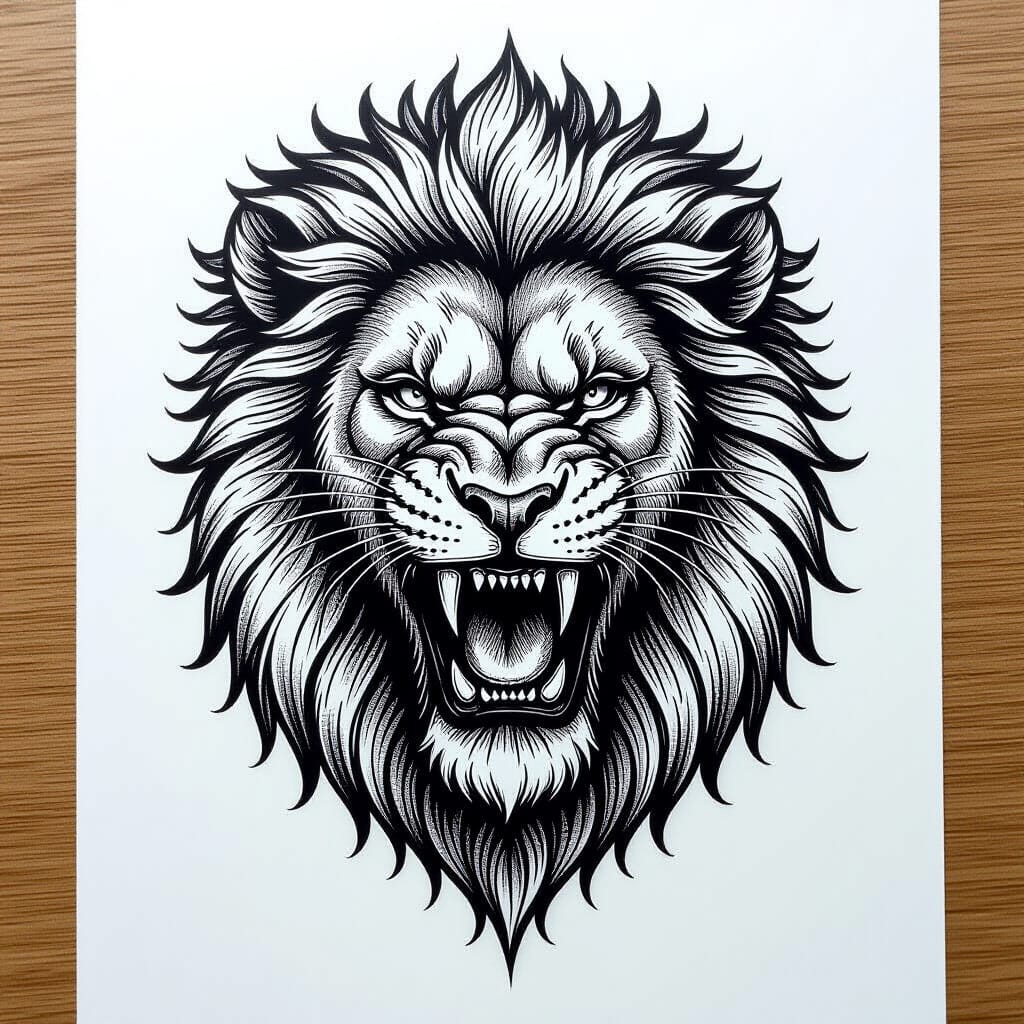
Tattoos have come a long way from simple symbols to full-blown masterpieces, and micro realism tattoo design sleeves are leading the charge. Imagine having a tiny world of incredible detail wrapped around your arm—like a secret gallery that only the closest lookers get to appreciate. It’s like carrying a high-definition photo, but way cooler and way more permanent.
We’re diving into the art of micro realism sleeves where every little line and shadow tells a story smaller than your pinky nail but packed with personality. Whether you’re a tattoo newbie or a seasoned ink collector, these mini marvels are about to change the way you think about body art—because who says big statements need to be loud and oversized?
Materials and Tools Needed for Micro Realism Tattoo Sleeves
Crafting micro realism tattoo sleeves demands precision and the sharpest gear. Using the right materials ensures those tiny masterpieces look crisp and last long enough to make even microscopes jealous.
Essential Tattoo Equipment
- Tattoo Machines: Rotary machines excel for steady, delicate lines needed in micro realism; they’re quieter and lighter for better control.
- Needles: Use fine liner needles like 3RL or even 1RL for ultra-thin, precise strokes that define miniature details.
- Power Supply: A stable, adjustable power supply keeps the needle buzzing consistently, preventing wobble that ruins tiny work.
- Stencil Paper and Transfer Solution: Transparencies for transferring intricate designs for flawless placement; use careful application to avoid smudges.
- Gloves and Sanitary Supplies: Nitrile gloves, disinfectants, and barrier films protect us and our clients during those painstaking hours.
Specialized Tools for Micro Realism Detailing
- Micro Shaders: Needles like 5RS or 7RS allow shading of tight spaces without over-saturating the skin.
- Magnifying Equipment: Head-mounted magnifiers or digital magnifying lamps turn us into eagle-eyed detail hunters.
- Precision Grips: Ergonomic grips reduce hand fatigue, preserving steady hands for hours-long micro craftsmanship.
- Fine-tip Markers: For touch-ups or last-minute corrections on stencil outlines with unmatchable accuracy.
Recommended Inks and Colors
| Ink Type | Characteristics | Usage in Micro Realism |
|---|---|---|
| Black Carbon Ink | Deep, rich black with smooth flow | Key for sharp contrasts and outlining details |
| Greywash Ink Sets | Diluted blacks in varied densities | Crucial for realistic shading and subtle gradients |
| Colored Pigments | Vibrant and fade-resistant | Used sparingly for color accents without overpowering |
| White Ink | Opaque brightness, tricky to apply | Highlights that pop if applied with careful precision |
Combining these inks with steady hands and sharp needles, we translate tiny stories into skin-bound realities.
Designing Your Micro Realism Tattoo Sleeve
Crafting a micro realism tattoo sleeve requires a blend of thoughtful planning and creative collaboration. Let’s break down the key steps for achieving a seamless and stunning design.
Researching and Collecting Reference Images
Start by gathering at least 20 high-quality reference images featuring tiny details like textures, shadows, and colors. Pick images from reliable sources such as tattoo art collections, professional photography sites, and art books focused on micro realism. Organize images by subject—faces, animals, objects—to streamline the design process and avoid accidentally mixing a squirrel with a vintage watch (unless it’s your style).
Choosing a Cohesive Theme or Story
Decide on a clear theme or narrative that ties each mini masterpiece together into a sleeve symphony. Select themes ranging from nature scenes, urban architecture, to intimate personal symbols. Keep consistency in style and mood so the sleeve reads like a single story not a patchwork quilt from your childhood.
Collaborating With Your Tattoo Artist
Schedule at least two consultation sessions with your artist to refine the concept and discuss technical details. Share your well-curated references and theme ideas, then trust their expertise on placement, shading, and needlework precision. If your artist suggests swapping a detail for another that enhances micro realism, embrace it—they know where the magic hides.
Planning the Layout and Flow of the Sleeve
Design an arm map that ensures each tattoo’s direction complements natural muscle curves and skin texture. Arrange elements to create smooth transitions avoiding sharp style clashes or awkward blank spaces that scream “unfinished.” Visualize the sleeve in segments from shoulder to wrist to maintain consistent storytelling and visual balance throughout.
The Micro Realism Tattooing Process
Micro realism tattooing demands laser focus and steady hands. Every millimeter counts when crafting these tiny masterpieces on your sleeve.
Preparing Your Skin and Setting Up the Work Area
We sanitize the skin thoroughly to create a clean canvas. Next we shave the area to ensure smooth needle glide. Setting up includes arranging rotary machines, fine liner needles, and inks within arm’s reach. Stencil paper gets applied carefully to transfer the design exactly. Lighting stays bright and consistent to dodge any unwanted shadows. Sterile gloves and disposable barriers keep everything hygienic and avoid mysterious ink splatters.
Techniques for Achieving Fine Detail and Accuracy
We use ultra-fine needles like 1RS or 3RS for pinpoint lines. Tattoo machines operate at low speeds to avoid blowouts while maintaining precision. Magnifying lenses help us zoom in on minuscule details such as eyelashes or pores. Hand stability comes from precision grips designed to reduce fatigue, because shaky hands ruin dreams. We tattoo slowly in short bursts, allowing the skin to react and preventing ink spreading.
Layering and Shading for Realistic Effects
We build depth with careful layering instead of dumping ink in one go. Greywash inks apply gradual shadows that mimic natural light falloff. Micro shaders glide through tight spaces creating smooth transitions between highlights and shadows. Multiple passes add texture and dimension without scarring the skin. Blending colored pigments softly enhances subtle accents in eyes, lips, or fabric folds to capture true-to-life vibrancy.
Tips for Managing Pain During a Sleeve Tattoo Session
We remind clients to stay hydrated and eat beforehand to keep energy levels up. Scheduling breaks every 45 to 60 minutes helps prevent burning sensations from becoming one long horror story. Using numbing creams can ease discomfort but requires expert application to avoid blotchy results. Breathing techniques like slow, deep breaths calm nerves and muscle tension. Lastly, thinking about your sleeve as a tiny epic saga rather than unified torture makes enduring pain seem almost artistic.
Aftercare for Micro Realism Tattoo Sleeves
Taking care of micro realism tattoo sleeves demands precision just like the tattooing process. We handle each step carefully to ensure the tiny masterpieces stay sharp and vibrant.
Immediate Post-Tattoo Care Instructions
Keep the tattoo covered with a sterile bandage for 2 to 4 hours after the session. Gently wash the tattoo with lukewarm water and mild fragrance-free soap within 4 to 6 hours, but only with clean hands. Pat dry using a soft towel without rubbing to avoid irritating sensitive skin. Apply a thin layer of specialized tattoo ointment, such as Aquaphor or a recommended healing balm, 2 to 3 times per day for the first 3 to 5 days to lock in moisture and support skin regeneration. Avoid soaking the tattoo in water which can cause ink fading or infection.
Long-Term Maintenance for Color and Detail Preservation
Keep the tattoo hydrated daily by applying a fragrance-free moisturizer to prevent dryness and cracking which dull micro details. Protect the tattoo from UV exposure by using SPF 30 or higher sunscreen every time we go outside, even on cloudy days, since UV rays break down ink pigments faster. Wear loose breathable clothing over the sleeve to reduce friction and irritation. Schedule touch-ups every 12 to 18 months if fading or blurring occurs, especially in high-detail sections.
Avoiding Common Healing Complications
Resist the urge to scratch or pick scabs which can lead to scarring or patchy ink loss. Avoid heavy sweating, swimming pools, hot tubs, or extended sunbathing during the initial 2-week healing period because moisture and bacteria increase infection risk. Keep the tattoo clean but don’t over-cleanse; excessive washing strips protective oils and prolongs redness or peeling. Seek medical advice promptly if we notice redness that spreads, pus, excessive swelling, or intense pain as these may indicate infection requiring professional treatment.
Troubleshooting and Common Issues
Micro realism tattoo sleeves demand precision but minor hiccups happen even with the best intentions. Tackling common annoyances quickly keeps your miniature masterpieces sharp and dazzling.
Fixing Blurred or Fading Details
Blurring or fading details betray the tiny artistry we cherish most. Blurring occurs when the ink spreads beneath the skin, often due to too deep needle penetration or excess movement during tattooing. Fading results from UV exposure, poor aftercare, or skin type variations. Retouching supports crisp line restoration when blurring appears, but avoiding overworking sensitive skin helps prevent worsening. Daily application of high-SPF sunscreen protects ink vibrancy outdoors. Moisturizing daily keeps skin supple and ink colors fresh.
Addressing Uneven Shading or Color Patchiness
Uneven shading or color patchiness ruins micro realism coherence by breaking visual flow. Patchy spots happen when ink fails to deposit evenly or insufficient layering occurs. Quick fixes involve scheduling corrective sessions using micro shaders at low machine speeds to blend shading gently. Patchiness can deepen if rushed during the initial session, so patience helps. Blending colored pigments with gradual layering prevents harsh edges and solidifies smooth gradients essential to realism.
When to Seek Touch-Ups
Touch-ups rescue fading, blurring, or patchy spots that disrupt micro realism sleeves’ impact. Consulting your artist within 3 to 6 months after completion ensures early correction before damage deepens. Scheduling touch-ups depends on skin type, placement, and lifestyle factors such as constant sun exposure or frequent washing. Ignoring necessary touch-ups accelerates ink degradation and compromises design integrity. However, routine touch-ups keep sleeves looking fresh enough to fool even high-definition cameras.
Alternative Approaches and Styles to Consider
Exploring micro realism tattoo sleeves does not mean sticking to just one style. We can broaden the canvas by mixing techniques or even considering temporary options.
Combining Micro Realism With Other Tattoo Styles
Blending micro realism with styles such as traditional, geometric, or watercolor creates dynamic sleeves with depth and contrast. Pairing fine photo-like portraits with bold black outlines or vibrant splashes amplifies visual interest while maintaining intricate detail. Integrating micro realism elements into larger abstract designs adds realism to surreal compositions. Experimenting with shading techniques from realism alongside dotwork or linework patterns produces unique textures. Choosing complementary styles encourages creative narratives that keep sleeves fresh and personalized. Micro realism does not have to stand alone when other styles boost the story.
Temporary Micro Realism Sleeve Options
Testing micro realism sleeves with temporary tattoos offers risk-free exploration before committing. Temporary options utilize high-definition printers to replicate fine lines and shading convincingly for 3 to 7 days. Applying temporary sleeves helps evaluate placement comfort and visual impact while allowing quick design swaps. Using henna-based or adhesive film techniques protects skin sensitivity through non-permanent means. Temporary sleeves prove especially useful for events or trying complex designs gradually. Opting for removable micro realism tattoos lets us enjoy the art form flexibly with minimal upkeep and zero permanence fears.
Conclusion
Micro realism tattoo sleeves prove that sometimes, the tiniest details pack the biggest punch. They’re like carrying a secret masterpiece on your skin—minus the museum fees or velvet ropes.
Whether you’re all about that needle precision or just love the idea of a sleeve that tells a story in miniature, these tattoos show us that size really doesn’t matter. So go ahead, embrace the small stuff—it’s where the magic happens.
Frequently Asked Questions
What are micro realism tattoo sleeves?
Micro realism tattoo sleeves are detailed, miniature tattoo designs that cover the arm, resembling high-definition photos. They focus on fine detail and storytelling through intricate artwork without needing large or bold patterns.
What equipment is needed for micro realism tattoos?
Essential tools include rotary machines for delicate lines, fine liner needles, stable power supplies, stencil paper, and sanitary supplies. Specialized tools like micro shaders, magnifying equipment, and precision grips help with fine detail work.
Which inks are best for micro realism tattoos?
Black carbon ink is used for sharp contrasts, greywash ink for realistic shading, and colored pigments add subtle accents to enhance depth and detail.
How is the design process for micro realism sleeves done?
The process involves researching high-quality references, choosing a cohesive theme, collaborating with the artist, and carefully planning the layout to complement the arm’s natural contours for a seamless look.
What techniques are used during micro realism tattooing?
Artists use ultra-fine needles, operate machines at low speeds, employ magnifiers, and apply layering and shading with greywash inks and micro shaders to achieve realistic, detailed effects.
How can pain be managed during a tattoo sleeve session?
Clients can manage pain by staying hydrated, taking scheduled breaks, and practicing controlled breathing techniques during the tattooing process.
What aftercare is recommended for micro realism tattoo sleeves?
Aftercare includes keeping the tattoo covered initially, gentle washing, applying ointments, daily hydration, UV protection, and scheduling touch-ups to maintain vibrancy and detail.
What common problems occur with micro realism tattoos?
Issues like blurred details from deep needle penetration, fading due to UV exposure, and uneven shading can occur. Proper sunscreen use, moisturizing, and corrective sessions help address these problems.
When should I get a touch-up for my micro realism tattoo?
Touch-ups are recommended within 3 to 6 months after completion to fix fading or patchiness and maintain the tattoo’s sharpness and color intensity.
Can micro realism be combined with other tattoo styles?
Yes, micro realism can blend with styles like traditional, geometric, or watercolor to create dynamic, contrasting sleeves with depth and artistic variety.
Are there non-permanent options for micro realism sleeves?
Temporary micro realism sleeves use high-definition printing to replicate designs realistically, allowing you to experiment with placement and style before committing to a permanent tattoo.