
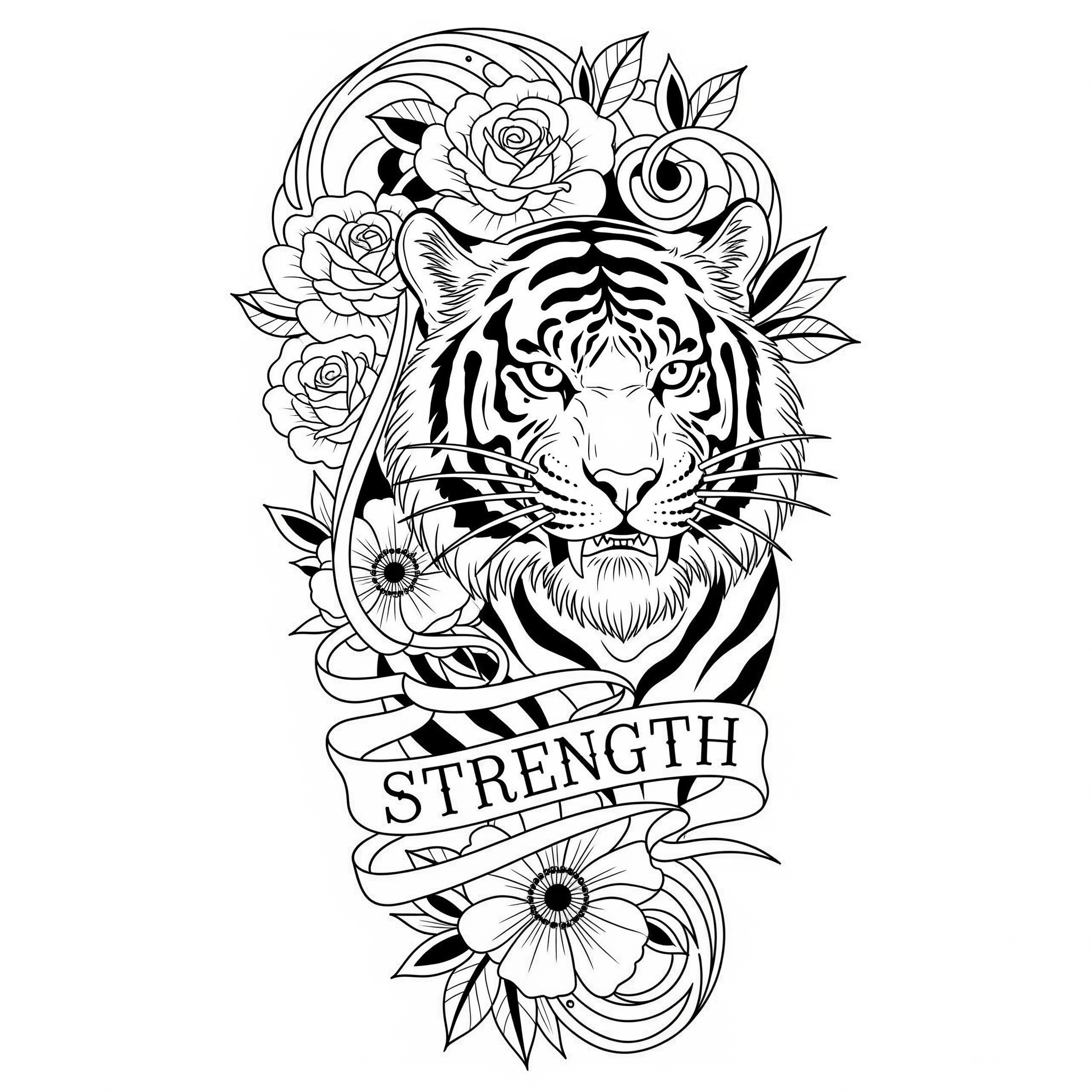
Flowers and tattoos might seem like an odd couple at first, but trust us, they’re a match made in ink heaven. Neo traditional tattoo design florals take the classic beauty of flowers and give them a bold, modern twist that’s anything but shy. Think vibrant colors, thick lines, and a splash of artistic flair that makes every petal pop.
Materials and Tools Needed for Neo Traditional Floral Tattooing
Mastering neo traditional floral tattooing demands specific materials and tools to bring those poppy petals and bold blooms to life. We dive straight into the essentials here.
Tattoo Machines and Needles
Choose rotary machines for smooth lines or coil machines for precise shading, especially when creating thick outlines and delicate floral details. Opt for needle configurations such as:
- Round liners (RL) for crisp outlines.
- Magnum shaders (M1 or M2) for saturated color fills and shading.
- Round shaders (RS) for soft gradients in petals.
Our experience shows that 7 to 9 RL needles deliver that signature bold linework, while 13 to 15 M1 magnums saturate color evenly on flower petals.
Ink Selection for Floral Designs
Use vibrant, saturated inks offering exceptional color retention to complement neo traditional tattoos’ bold flair. High-quality brands like Eternal, Intenze, and Dynamic deliver pigment stability. Key colors include:
- Deep reds and crimsons
- Bright yellows and oranges
- Emerald greens and teal hues
- Rich blacks for thick outlines
Avoid diluted or pastel inks; they clash with this style’s in-your-face color demands.
Stencils and Transfer Paper
Apply high-opacity transfer paper to capture intricate floral sketches without losing fine detail. Use thermal printers for crisp stencils or trace designs with frisket film and a fine-tip pen when working freehand. Ensure transfer solutions don’t smudge or fade during skin application.
Skin Preparation and Aftercare Supplies
Prioritize thorough skin cleansing with green soap or antiseptic washes before tattooing. Shave the area to provide a smooth canvas while preventing irritation. Post-session supplies include:
| Item | Purpose |
|---|---|
| Antibacterial ointment | Prevents infection and speeds healing |
| Non-stick bandages | Protects fresh tattoos from contaminants |
| Fragrance-free lotion | Keeps skin moisturized without irritants |
Our floral designs bloom longest and boldest when clients follow these skin care protocols precisely.
Understanding Floral Elements in Neo Traditional Tattoo Design
Floral elements inject personality and depth into neo-traditional tattoos. Recognizing their types, symbolism, and color treatments sharpens our design skills and elevates our creative expression.
Common Flowers Used in Neo Traditional Tattoos
- Roses: traditional favorites featuring layered petals and bold outlines
- Peonies: full-bodied blooms with intricate shading and rounded petals
- Lilies: sleek shapes with elongated petals adding elegance and flow
- Sunflowers: bright, radiant designs with defined centers and wide petals
- Daisies: simple silhouettes with repetitive petal patterns perfect for contrast
Each flower offers distinct shapes and textures for versatile tattoo applications.
Symbolism Behind Popular Floral Motifs
- Roses: symbolize love, passion, and balance between beauty and pain
- Peonies: represent prosperity, romance, and honor in many cultures
- Lilies: convey purity, renewal, and commitment depending on color
- Sunflowers: express loyalty, warmth, and positivity with their sunny appearance
- Daisies: suggest innocence, new beginnings, and cheerfulness
Understanding these meanings helps us craft tattoos that resonate visually and emotionally.
Color Palettes and Shading Techniques
- Palette choices favor vibrant saturated hues like crimson, gold, emerald, and violet to boost visual impact
- Gradient shading blends dark shadows with highlights to create dimensional floral forms
- Bold black outlines define petals and leaves maintaining neo-traditional clarity and strength
- Selective use of white ink adds pop highlights enhancing texture and realism
Mastering these color and shading methods ensures our floral tattoos catch eyes and hold attention.
Step-by-Step Guide to Creating Neo Traditional Floral Tattoo Designs
Creating a neo traditional floral tattoo starts with strong research and ends with vibrant color. Let’s break down the essential steps to make your design pop with bold beauty and modern flair.
Research and Inspiration Gathering
First up gather images of classic and neo traditional floral tattoos and real flowers like roses, peonies, and sunflowers. Next analyze their shapes colors and symbolism. Finally explore art history and tattoo flash sheets to steal—oops—get inspired by bold lines and color contrasts. The richer the reference pool the better the design juice.
Sketching the Floral Design
Begin the sketch with general shapes and flow before diving into details. Draw flowers’ contours in loose strokes capturing petals’ curves and leaf veins. Make sure composition balances boldness and softness. Use tracing paper or digital tools to iterate quickly until the design sings.
Refining the Design with Bold Lines and Details
Bold lines act like superheroes holding your floral tattoo together. Outline major petals leaves and stems with thick confident strokes. Then add smaller line details like veins and petal folds for texture. Remember thick lines command attention while fine lines whisper secrets.
Adding Color and Shading for Depth and Dimension
Color bomb time choose vibrant complementary hues like fiery reds deep greens and sunny yellows. Fill in petals using smooth gradients to simulate light hitting curved surfaces. Shade with darker tones near edges or overlaps to create dimensional drama. Remember in neo traditional florals color isn’t just decoration it’s storytelling shouting from the skin.
Tattooing the Neo Traditional Floral Design
Tattooing neo-traditional florals combines precision with artistic flair. Every step shapes those bold blooms into lasting masterpieces.
Preparing the Skin and Applying the Stencil
Start with clean skin by shaving and disinfecting the area thoroughly. Dry skin prevents stencil smudging. Apply a thin layer of petroleum jelly to enhance stencil adhesion without blurring. Place the high-opacity transfer stencil carefully, pressing evenly to avoid gaps or wrinkles. Lift the stencil slowly to check coverage. If any patchy areas appear, reapply quickly before the skin loses moisture. Clean up excess transfer fluid silently, because nothing ruins zen like sticky fingers.
Outlining Techniques for Bold Lines
Use a 9 or 11-round liner needle for thick consistent outlines. Work slowly and steadily to maintain solid lines, since shaky hands produce wobbly petals. Begin with the major shapes — petal edges, stems, and leaves — establishing the flower’s bold silhouette. Fill in smaller details like veins and textures with a 5-round liner for contrast. Resist the temptation to over-outline; neo-traditional florals thrive on balance between thick and fine lines. Remember, each bold stroke anchors the design’s visual punch.
Coloring and Shading Tips for Florals
Select vibrant inks such as rich reds, sunny yellows, deep purples, and lush greens. Pack colors densely to ensure longevity and that signature colorful pop. Use a magnum shader needle to layer gradients smoothly inside petals and leaves. Blend colors by gradually decreasing needle pressure for natural dimension—no painter’s brush needed. Balance saturation and shading carefully, avoiding muddy transitions. For instance, blend a fiery orange into yellow on sunflower petals to mimic nature’s glow.
Highlighting and Finishing Touches
Add white ink highlights sparingly on petal tips, dew drops, or leaf edges to create crisp dimensionality. Dab small dots or thin lines with a single needle device for precision sparkle. Finish with subtle black or dark brown shading around key elements to boost contrast and create a slight drop shadow effect. Massage the tattooed area gently post-session with a fragrance-free ointment to lock in color brightness and soothe the skin. Watch those flowers bloom not just bright but confident enough to make bees jealous.
Tips for Designing Unique Neo Traditional Floral Tattoos
Designing neo-traditional floral tattoos calls for creativity with a pinch of flair. Let’s dive into essential tips that keep our designs fresh and unforgettable.
Combining Flowers with Other Elements
Blend flowers with unexpected companions like skulls, animals, or vintage objects to spark visual interest. Use bold outlines to unify contrasting themes and bright colors to bring cohesion. Integrate sharp geometric shapes or soft organic textures to build layers that surprise without overwhelming. Experiment with scale—size up a delicate rose or shrink a roaring tiger—to create dynamic focal points that invite double-takes from onlookers.
Balancing Color and Negative Space
Splash vibrant hues on petals and leaves while reserving pockets of skin as breathing spots. Employ color gradients that transition smoothly to avoid pigment overload but wield thick black lines for punchy definition. Strategic negative space enhances the design’s movement and frames intricate details effortlessly. Think of negative space as a floral spotlight, making every shade pop without turning the tattoo into a rainbow sprinkler.
Customizing Designs for Individual Clients
Craft tattoos that echo clients’ stories by customizing flower choices based on their symbolism or personal significance. Adjust shapes and composition to match body contours and maximize visibility from different angles. Incorporate client preferences like favorite colors or hidden motifs discreetly placed within the floral chaos. Engage clients during sketches to spark collaborative brilliance, ensuring tattoos feel authentically theirs with every petal and leaf.
Common Challenges and Troubleshooting in Neo Traditional Floral Tattoos
Neo traditional floral tattoos dazzle with bold colors and crisp lines but present some classic challenges. Mastering fixes ensures our ink stays fresh and fabulous.
Avoiding Color Bleeding and Fading
Prevent color bleeding by using high-quality inks with strong pigmentation and applying them at the correct depth. Work methodically with needles configured for precise shading and layering. Maintain proper skin hydration before tattooing since dry skin invites bleeding and patchy color. Encourage clients to avoid sun exposure and use SPF post-healing to keep colors vivid and prevent fading. Address any early color settling with follow-up sessions for targeted touches.
Fixing Design Mistakes and Touch-Ups
Correct design mistakes by carefully assessing the affected area and deciding if minor shading, line refinement, or color overlay suits best. Use finer needles for edge work and softer needles for color blending during touch-ups. Schedule touch-ups at least six weeks after the initial session for optimal skin recovery. If ink spread or misalignment occurs, balance bold outlines with enhanced shading to camouflage errors without losing floral detail.
Managing Skin Sensitivities and Reactions
Identify skin sensitivities through patch tests before large sessions to avert allergic reactions. Choose hypoallergenic, vegan-friendly inks when needed. Use sterile, single-use needles and machines to reduce infection risk. If redness or swelling persists, recommend gentle aftercare products and consult dermatology professionals if severe reactions appear. Guide clients with sensitive skin on extended healing times and careful moisturizing routines to keep the neo traditional floral vibrance intact.
Aftercare for Neo Traditional Floral Tattoos
Proper care keeps neo traditional floral tattoos looking fresh and bold for years. Follow these steps closely and laugh at dry skin before it becomes a problem.
Immediate Post-Tattoo Care
Wash tattoo gently using lukewarm water and mild unscented soap within 2 to 4 hours after finishing. Pat dry with a clean towel avoiding any rubbing or scratching. Apply a thin layer of fragrance-free healing ointment like Aquaphor or specialized tattoo aftercare balm three to four times daily for the first 3 to 5 days while letting the skin breathe between applications. Avoid soaking the tattoo in water such as baths, pools, or hot tubs during this period. Wear loose clothing that does not rub directly on the floral lines and colors.
Long-Term Maintenance for Vibrant Colors
Moisturize tattoo daily with an unscented lotion after initial healing to prevent flaking and dullness. Protect tattoo from direct sunlight by applying broad-spectrum SPF 30 or higher sunscreen every time the tattoo is exposed outdoors, especially since vibrant inks like reds and blues fade faster without UV defense. Avoid harsh exfoliants or scrubbing that tarnishes bold outlines or flower shading. Touch-ups refresh colors best done after skin fully heals, typically 6 months post-tattoo, to maintain that neo traditional pop.
Signs of Infection and When to See a Professional
Monitor tattoo for excessive redness extending beyond the floral design, swelling, warmth, pus, or intense pain beyond normal healing. Fever or red streaks traveling from the tattoo are red flags. Consult a medical professional immediately if any of these symptoms emerge. Prompt attention prevents minor irritations from turning into serious floral fiascos. If uncertain, err on the side of safety and ask your tattoo artist or healthcare provider.
Conclusion
Neo-traditional floral tattoos are like the rockstars of the ink world—bold, colorful, and impossible to ignore. They let us mix classic charm with a splash of modern attitude, all while telling a story that’s uniquely ours.
Whether you’re an artist or a canvas, embracing these designs means diving into a world where flowers don’t just bloom—they roar. So, grab your gear, trust your creativity, and remember: every petal can pack a punch.
Frequently Asked Questions
What defines neo-traditional floral tattoo designs?
Neo-traditional floral tattoos combine classic floral beauty with bold, modern styles. They feature vibrant colors, thick lines, and detailed shading to create visually striking and emotionally meaningful designs.
Which tools are essential for neo-traditional floral tattoos?
Artists typically use rotary or coil tattoo machines, specific needle setups for outlining and shading, vibrant inks for color retention, and high-opacity transfer paper for stencils.
What are common flowers used in neo-traditional tattoo art?
Popular choices include roses, peonies, lilies, sunflowers, and daisies, each offering distinct shapes, textures, and symbolic meanings like love, purity, or passion.
How do colors and shading enhance these tattoos?
Using bright hues and gradient shading adds depth, dimension, and emotional storytelling, making the floral designs more vivid and eye-catching.
What steps are involved in designing a neo-traditional floral tattoo?
Design begins with research, sketching balanced compositions, applying bold outlines, refining details, then adding vibrant colors and shading for depth.
How important is skin preparation before tattooing?
Proper skin cleaning and stencil application are crucial to ensure design accuracy, prevent infection, and promote ink adherence.
What are the best outlining and shading techniques?
Outlining requires bold lines using specific needles, while shading involves blending vibrant inks with gradual gradients to create natural dimension.
How can artists create unique neo-traditional floral tattoos?
Combining flowers with unexpected elements like animals or skulls, using bold lines, bright colors, and balancing negative space fosters originality and personal storytelling.
How do you prevent color bleeding and fading?
Using high-quality inks, maintaining proper skin hydration, and protecting the tattoo from sun exposure help preserve color vibrancy and prevent bleeding.
What aftercare steps ensure tattoo longevity?
Aftercare includes gentle washing, applying fragrance-free ointments, avoiding soaking, moisturizing daily, and using sun protection to keep the tattoo fresh and vibrant.
When should touch-ups or corrections be done?
Touch-ups are best scheduled after full skin healing to fix any design flaws or fading, ensuring optimal results without damaging the skin.
How can skin sensitivities be managed during tattooing?
Performing patch tests and using hypoallergenic inks reduce the chances of allergic reactions and skin irritation, ensuring client safety.