
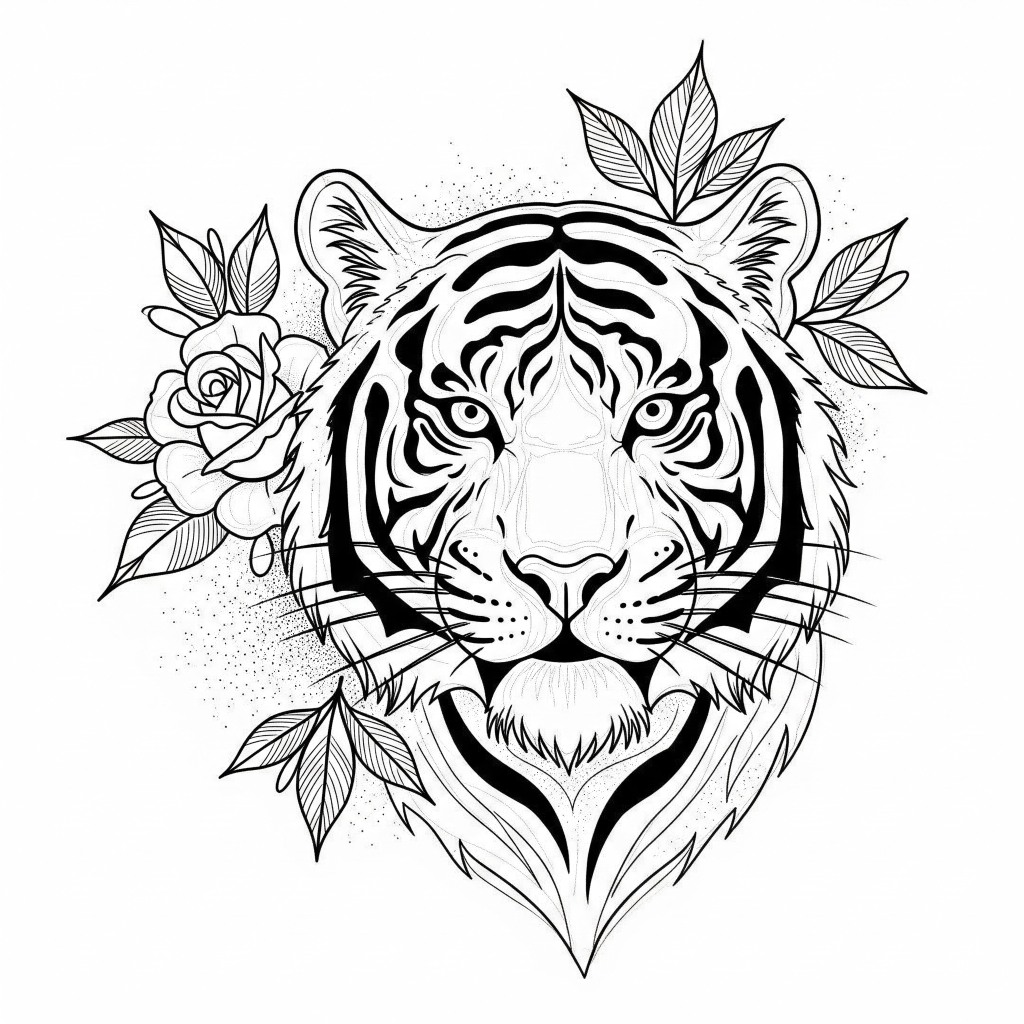
Tattoos are like the ultimate doodles—except these stick around way longer than your average notebook scribble. Before you dive headfirst into the world of ink, it’s smart to get a grip on sketchwork tattoo design basics. Think of it as the blueprint for your next masterpiece, minus the boring architect vibes.
Materials Needed for Sketchwork Tattoo Design
Gathering the right tools sharpens our sketchwork tattoo designs. Each tool plays a precise role, ensuring creativity flows without hiccups.
Essential Drawing Tools
Graphite pencils in grades 2B, 4B, and 6B capture fine lines and bold shadows. Fine-tip pens like Micron sizes 01 and 05 introduce crisp details. Erasers in kneaded and vinyl varieties allow correction and highlight adjustments. Sharpeners keep pencils at peak performance. Rulers and French curves help craft smooth lines and shapes without calling for superhero-level hand steadiness.
Recommended Papers and Surfaces
Smooth Bristol paper in 9×12 inch size handles pencil and ink cleanly without bleeding. Textured watercolor paper suits wash effects but demands softer pencils. Tracing paper supports layering original sketches preserving previous details. A sturdy drawing board prevents unwanted bending disasters during intricate sessions.
Digital Tools for Sketchwork Design
Tablets such as the iPad Pro paired with Apple Pencil offer precision akin to traditional sketching with infinite undo benefits. Software options like Procreate and Adobe Fresco support layering, brush customization, and export flexibility. Drawing gloves reduce friction ensuring fluid strokes without accidental palm marks. These tools boost efficiency while retaining the sketchwork’s hand-drawn charm.
Fundamental Techniques in Sketchwork Tattoo Design
Mastering fundamental techniques sharpens our sketchwork tattoo designs by adding character and depth to each piece. Exploring line work, shading, and texture elevates our art from simple outlines to expressive tattoos.
Line Work and Stroke Variations
Line work forms the backbone of any sketchwork tattoo design. Using varied stroke thicknesses from fine hairlines to bold outlines creates contrast and visual interest. Employing hatching, cross-hatching, and broken lines introduces dynamic energy. Working with controlled hand pressure guides stroke weight naturally, while quick flicks generate spontaneous texture. Mixing organic curved lines with geometric straight strokes balances the composition and amplifies the design’s charm.
Shading Techniques for Sketch Effects
Shading lends dimensionality that transforms flat sketches into lively tattoos. Gradual gradients crafted by layering graphite or pen strokes simulate light and shadow. Applying stippling with tiny dots enriches volume subtly without harsh edges. Using smudging tools or blending stumps softens transitions in tonal range. Alternating between light and heavy pressure controls shading intensity, enabling crisp highlights and deep shadows that emphasize focal points vividly.
Creating Texture and Depth
Texture breathes life into a sketchwork tattoo design by suggesting surfaces and materials. Repeating patterns such as scales, fur lines, or wood grain create realistic details. Combining fine delicate marks with rough erratic strokes contrasts smooth areas with complex textures. Overlapping translucent layers imply spatial relations and three-dimensionality. Adding touches of negative space breaks monotony and enhances depth perception, making the artwork pop off the skin with irresistible flair.
Step-by-Step Process for Creating a Sketchwork Tattoo Design
Mastering the sketchwork tattoo design process means bringing ideas to life with precision and flair. Let’s break down this creative journey into clear actionable steps.
Conceptualizing Your Design
Brainstorm ideas based on personal symbolism, style preferences, and placement area. Sketch multiple thumbnails to explore shapes and concepts before settling on the winning composition. Keep in mind the tattoo’s size as intricate designs demand more space to avoid turning into a blur. Visualize themes like nature, mythology, or abstract geometry for diverse inspiration.
Rough Sketching and Outlining
Start with light graphite lines using an H or 2H pencil for easy erasing. Block out the main shapes and proportions rapidly to capture the design’s energy without fussing over small details. Lay down angular or curved guiding lines to establish flow and balance. Gradually darken essential outlines with a softer pencil or fine-tip pen while preserving sketch spontaneity.
Refining Details and Adding Shading
Zoom in on areas needing texture or dimension. Employ cross-hatching, stippling, or smudging with graphite pencils of varying hardness (2B to 6B) to create shadows and volume. Use repeated patterns or strokes to mimic skin texture or fabric folds. Avoid over-shading which risks flattening the design. Strategic negative space enhances contrast and visual pop.
Finalizing the Design
Clean up stray marks and sharpen outlines with ink or digital tools if desired. Double-check proportions and symmetry to ensure tattoo readability. Prepare a high-resolution scan or photo of the sketch to share with a tattoo artist, ensuring color notes or stylization preferences accompany the design files. Celebrate the creation—a lasting blueprint for wearable art.
Tips for Effective Sketchwork Tattoo Designs
Mastering sketchwork tattoo designs means embracing flow, simplicity, and contrast to create a tattoo that pops off the skin instead of just sitting there like a wallflower.
Maintaining Fluidity and Movement
Prioritize flowing lines that mimic natural motion. Loosen up your wrist and avoid stiff, rigid strokes that scream “robot.” Curved lines, spirals, and gentle waves inject life and energy, making the design feel like it’s dancing instead of stuck in a box. Sketch lightly at first and build up confidence, or else the tattoo might look like it’s stuck in quicksand.
Balancing Detail and Simplicity
Embrace a minimalist mindset with room for small bursts of detail. Overloading the design clogs visual flow and confuses the eye, much like a cluttered inbox. Strip elements down to their essential forms and reserve intricate shading or texture for focal points only. This balance stops the sketch from becoming a “Where’s Waldo?” mess and keeps tattoos readable on skin that’s got its own quirks.
Using Contrast to Enhance Visibility
Harness bold contrasts to ensure the design reads well from afar and up close. Pair thick, confident lines with thinner, delicate strokes to create depth and hierarchy. Inject stark black areas against lighter sections to create visual “pop.” Without contrast, the tattoo risks blending into the skin like an invisible spy. Contrast turns the design from “meh” to “WOW” whether fresh or faded years later.
Common Mistakes to Avoid in Sketchwork Tattoo Design
Avoiding common pitfalls makes the difference between a tattoo masterpiece and a regrettable blob. Here are the usual suspects that sabotage sketchwork tattoo designs.
Overworking the Sketch
Dragging lines across the paper like a stubborn mule only muddies the magic. Overworking the sketch blurs crisp edges and flattens energy. Keep graphite layers light and purposeful. If shading snuggles into every nook, the design loses clarity and becomes a smudgy mess. Stop polishing once the design pops, or risk turning a dynamic draft into a tired doodle.
Inconsistent Line Quality
The secret sauce of sketchwork tattoo design depends on line consistency. Lines that flip-flop between thin whispers and heavyweight punches without reason confuse the eye and break flow. Maintain deliberate variations in thickness to highlight focal points and create depth. Wobbly or uneven strokes signal rookie mistakes and make the tattoo’s impact wane faster than a bad hair day.
Ignoring Tattoo Placement Considerations
Sketching like the design floats in a weightless bubble ignores real-world canvas realities. Designs that look grand on paper may warp awkwardly over joints or curves. Ignoring placement means proportion disasters and loss of key details once ink hits skin. Factor in muscle movement, skin texture, and body curves early. Placement-aware sketching avoids tattoos that scream “Oops, wrong spot!” every time the wearer flexes or stretches.
Transferring Your Sketchwork Design to Skin
Bringing a sketchwork tattoo design from paper to skin involves precision and an artful hand. Let’s break down this crucial step so the masterpiece on your sketchpad becomes a masterpiece on your body.
Preparing the Stencil
Start by creating a clean stencil of the final design. Use tracing paper or thermal transfer paper to capture every fine line and curve precisely. Ensure the stencil paper matches the tattoo size and shape with exactness because size exaggerations could lead to a misplaced masterpiece. Spray stencil transfer gel lightly on the skin area, which helps the stencil adhere and reduces smudging during application. Align the stencil carefully on the skin; any tilt or misalignment throws off the tattoo design’s flow. Press firmly but gently to transfer the outline, then carefully peel off the paper—leaving behind a ghostly blueprint that guides the needle.
Adjusting the Design for Tattooing
Examine the stencil on skin to spot areas needing adjustment. Simplify intricate details if they risk blurring over time because tattoos with excessive tiny elements tend to fade into mush. Thicken thin lines to maintain longevity—lines thinner than 0.5 millimeters tend to vanish sooner than a decision at an all-you-can-eat buffet. Reduce excessive shading in small zones because dense black ink can cause skin irritation and patchiness. Consider the skin’s natural texture and movement; adapt curves and angles so the tattoo ages gracefully as our bodies do their overtime dance. Remember that bigger designs age better if spaced well rather than crammed into a tight spot.
Collaboration with the Tattoo Artist
Bring your refined stencil and an open mind to the tattoo artist. Clearly communicate the design’s symbolism and any must-keep elements so their expertise aligns perfectly with your vision. Listen to their advice about placement and needle technique—they deal with skin daily and know what translates best from paper to epidermis. Watch for artist suggestions to tweak size or detail; these insights optimize healing and durability. Trust the artist’s steady hand because technique differences determine if the tattoo stands as a timeless badge or a brief comedy act on your skin’s stage. Invite the artist to do a test stencil placement—no hurt feelings if the final design shifts a tad. Collaboration here turns an idea into a wearable work of art.
Troubleshooting Common Issues in Sketchwork Tattoo Design
Every sketchwork tattoo design faces hiccups. Recognizing and fixing common issues helps keep our masterpiece on track.
Fixing Smudges and Unintended Lines
Smudges and rogue lines sneak into sketches more often than we like. Employ kneaded erasers to gently lift graphite without damaging paper surfaces. Dab rather than rub to avoid expanding smudges. Mask unwanted lines with white gel pens or layer shading cleverly to disguise mistakes. If digital tools assist our process, use undo functions or layer masks to edit without erasing original strokes.
Revising Proportions and Composition
Proportions or composition looking off throws off even the coolest tattoo ideas. Measure key elements with rulers or use grid overlays to spot inconsistencies quickly. Resize or reposition components on digital canvases to achieve harmony. If working on paper adjust lines lightly with lightbox tracing or create new thumbnails emphasizing balanced spatial relationships. Always compare design parts side by side, ensuring proportional integrity keeps everything in tattoo-worthy sync.
Alternative Methods and Styles Related to Sketchwork
Exploring alternative methods and styles expands the creative possibilities within sketchwork tattoo design. We investigate how integrating distinct artistic approaches enhances sketch-based tattoos.
Combining Sketchwork with Watercolor Effects
Blending sketchwork with watercolor effects creates vibrant dynamic tattoos that pop off the skin. Using loose brush strokes and translucent pigments alongside defined sketch lines adds visual contrast and depth. Watercolor techniques introduce fluid gradients and splashy textures which complement the crispness of sketch outlines. For example, a floral tattoo with fine black lines gains a whimsical dimension when paired with soft pastel washes. Keep colors semi-transparent to maintain the essence of the original sketch while adding lively energy. This method suits designs that balance structure with artistic freedom.
Incorporating Sketch Elements in Realistic Tattoos
Incorporating sketch elements into realistic tattoos injects organic motion and artistic flair into otherwise precise images. Incorporate light hatching, loose outlines, or incomplete strokes at edges to simulate an unfinished drawing effect. This stylistic choice emphasizes the tattoo’s hand-crafted quality while spotlighting realism’s intricate details. For instance, a hyper-realistic portrait framed by subtle scribbles feels both polished and artistically raw. Use this approach to add personality and a hint of rebellion against overly perfect visuals. Ensure contrast remains strong between detailed realism and sketch components to avoid visual confusion.
Conclusion
Sketchwork tattoo design isn’t just about putting pen to paper—it’s about crafting a story that sticks with you forever. Sure, it takes some patience and a bit of elbow grease, but hey, isn’t that true for all great art?
We’ve learned that a little flow, a dash of contrast, and a sprinkle of texture can turn a simple sketch into a masterpiece that your future self will thank you for. So grab those pencils, embrace the smudges, and let your creativity run wild—your skin is waiting for a design as unique as you are.
Frequently Asked Questions
What is sketchwork tattoo design?
Sketchwork tattoo design mimics hand-drawn sketches using varied lines, shading, and textures to create dynamic, expressive tattoos that look like original artwork on skin.
What tools are essential for creating a sketchwork tattoo design?
Key tools include graphite pencils, fine-tip pens, erasers, sharpeners, rulers, French curves, smooth Bristol or textured watercolor paper, and digital tablets with drawing software.
How do line work and shading affect sketchwork tattoos?
Line work adds contrast and visual interest through varied stroke thickness, while shading techniques like stippling and smudging add depth and dimension to the design.
What is the typical process for creating a sketchwork tattoo design?
It involves brainstorming ideas, sketching thumbnails, rough outlines, refining details with shading and texture, then finalizing the design with clean lines and preparing it for tattoo transfer.
How can I make my sketchwork tattoo design stand out?
Focus on flow and simplicity, use fluid lines, balance detail with negative space, and incorporate bold contrasts to ensure visibility and visual impact.
What common mistakes should I avoid in sketchwork tattoo design?
Avoid overworking sketches, inconsistent line quality, ignoring body contours, and overcrowding the design to preserve clarity, flow, and suitability for tattooing on skin.
How is a sketchwork design transferred onto the skin?
A stencil is prepared using tracing or thermal paper, applied with transfer gel, then adjusted by simplifying details and thickening lines before tattooing to ensure accuracy and longevity.
How should I communicate with my tattoo artist about my sketchwork design?
Clearly explain the design’s meaning and style, be open to artist’s recommendations on placement and technique to best adapt the design for skin.
How can I fix mistakes in my sketchwork tattoo design?
Use kneaded erasers for smudges, white gel pens for corrections, and tools like rulers or lightboxes to adjust proportions and composition for balance.
What alternative styles can enhance sketchwork tattoo designs?
Combining sketchwork with watercolor effects or realistic tattoos adds vibrant color gradients or organic motion, creating unique, artistic tattoos with a handcrafted feel.