
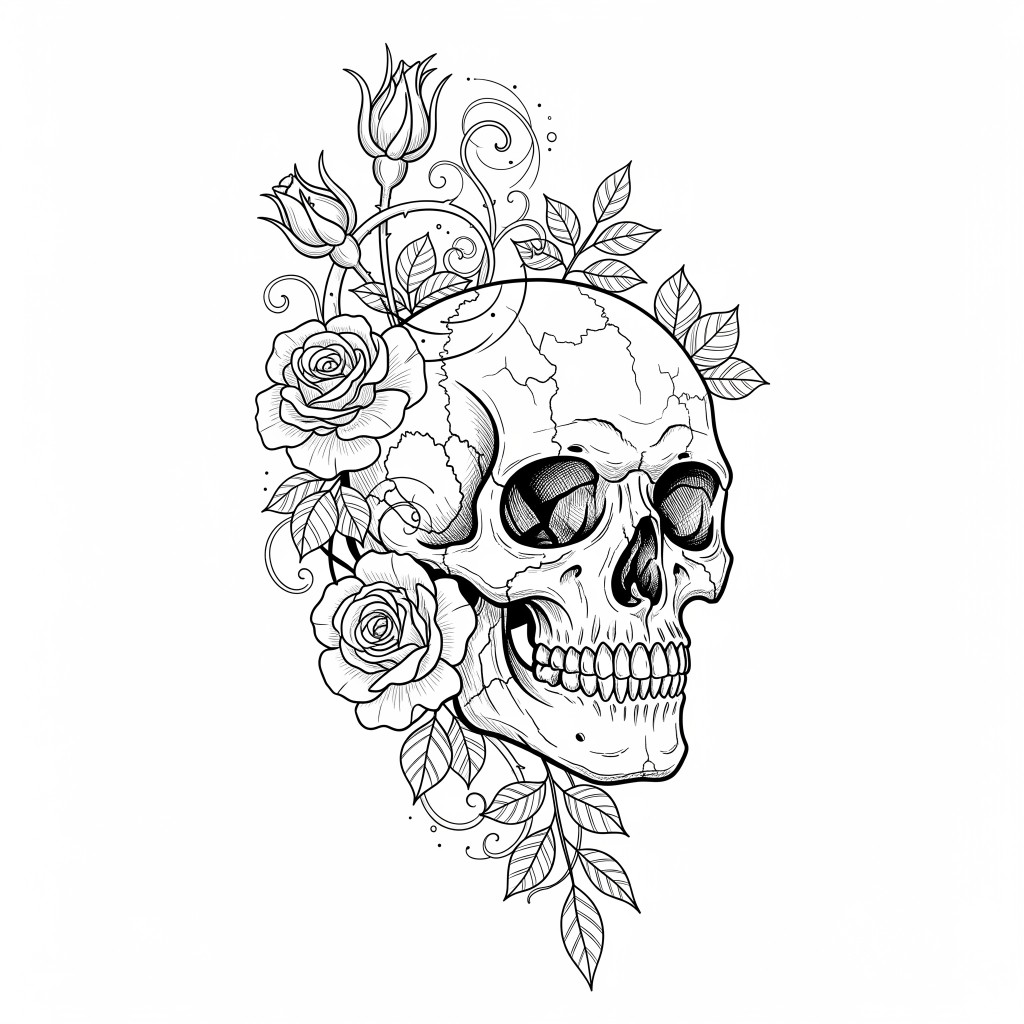
We all know tattoos aren’t just ink on skin—they’re stories, art, and sometimes questionable decisions we proudly wear. But when it comes to sketchwork tattoo design sleeves, things get a little more exciting. Imagine your arm looking like an artist’s notebook exploded in the best way possible—messy lines, unfinished edges, and that raw creative vibe that screams, “I’m too cool for perfect outlines.”
Sketchwork sleeves blend the chaos of doodles with the precision of a masterpiece. It’s like your skin becomes a living sketchpad where every stroke tells a story, or at least makes people stop and say, “Whoa, that’s different.” So, if you’re tired of boring tattoos and want something that looks like your arm’s been through an art class—without the homework—this style might just be our new obsession.
Materials and Tools Needed for Designing Sketchwork Tattoo Sleeves
Designing sketchwork tattoo sleeves demands a killer combo of traditional and digital tools to capture that messy-yet-masterful vibe. Let’s break down the essentials to get those chaotic doodles and artistic strokes flowing.
Essential Tattoo Design Materials
- Tattoo stencil paper for transferring rough sketches onto skin without the need for a steady hand in one go
- Fine liner pens with nib sizes ranging from 0.05 mm to 0.3 mm to recreate those sharp messy lines that scream “artistic rebellion”
- Black waterproof markers to lock in bold strokes that survive wiping and fading during the tattooing process
- Tracing paper for layering various sketch elements and exploring overlapping doodles without losing original ideas
- Erasers and sharpeners designed for clean corrections and crisp fine lines, because nobody’s perfect and that’s the charm
Recommended Digital Tools and Software
- Procreate on iPad for natural-feeling sketching with layers and blending modes that imitate pencil and ink textures effortlessly
- Adobe Photoshop for manipulating scanned sketches, adding clean vector lines, and fine-tuning details with control over opacity and brush pressure
- Clip Studio Paint favored for its versatile brushes mimicking traditional ink and pencil, perfect for replicating messy outlines in a digital environment
- Wacom drawing tablets paired with laptops give tactile feedback and precision, crucial for capturing subtle shading and frantic sketch marks
- SketchUp or Corel Painter (optional) for experimenting with 3D previews of the tattoo sleeve curvature, helping visualize how sketches flow with arm movements
Sketching Supplies for Preliminary Concepts
- Graphite pencils in 2B to 6B grades to draft rich dark lines and soft smudges, laying down the chaos before inking
- Ballpoint pens and gel pens for spontaneous doodling that captures raw creativity without overthinking—think of them as sketching’s caffeine
- Watercolor pencils or light washes to add subtle shading preluding the permanent ink work, enhancing depth and texture in sleeve designs
- Sketchbooks with smooth heavyweight paper for durability and ease of erasing or layering sketches without destroying pages
- Rulers and French curves when precise anatomy or geometric elements sneak into the madness, keeping the chaos visually balanced
With these materials and tools in our arsenal, sketchwork tattoo sleeves evolve from scribbles into stunning skin masterpieces poised to flaunt chaotic mastery.
Planning Your Sketchwork Tattoo Design Sleeve
Planning transforms a chaotic idea into a coherent masterpiece. Sketchwork tattoo design sleeves demand attention to vision, themes, and placement to ensure the final result screams artistry rather than accidental doodling.
Understanding the Client’s Vision and Preferences
Capturing the client’s vision means listening first and interpreting next. We explore their favorite chaotic elements, preferred line weights, and ink intensity. Clients who adore messy scrawls often prefer less shading while those craving depth want bold contrasts. Discussing lifestyle factors helps us avoid designs that clash with daily wear or work policies. Sketchwork thrives on individuality. We collect references and encourage clients to sketch wild ideas. The clearer we see their mental canvas the sharper our sketches become.
Choosing Themes and Motifs for the Sleeve
Themes provide the skeleton beneath the sketch’s chaos. Abstract shapes, botanical elements, or mechanical parts often dominate sketchwork sleeves. We suggest mixing organic motifs like leaves or feathers with geometric patterns to inject balance. Allowing room for asymmetry creates sleeves readable at a glance but rewarding upon close inspection. Applying a limited palette such as black only or muted earth tones maintains the raw sketch effect without turning into a messy mess. Motivic repetition strengthens cohesion while varied line textures add tactile intrigue.
Deciding on Sleeve Placement and Coverage
Sleeve placement affects how sketchwork interacts with muscle curves and motion. We assess arm shape and dominant movement to position flow lines accordingly. Full sleeves suit clients who love immersive chaos; half or quarter sleeves offer opportunities for future expansions or focused storytelling. Coverage density varies from sparse scattered sketches to packed overlapping layers. We recommend mapping the design on tracing paper for precise scaling and placement trials. Strategic empty spaces create breathing room preventing visual overload and emphasizing key elements.
Step-by-Step Guide to Creating Sketchwork Tattoo Design Sleeves
Mastering sketchwork tattoo design sleeves requires a blend of creativity chaos and precise technique. We break down the process into clear steps to turn wild scribbles into wearable art.
Research and Inspiration Gathering
Begin by scouring art books tattoo portfolios and online galleries for sketchwork and related styles like urban doodles and fine line illustrations. Collect a minimum of 20 reference images including chaotic linework sketches anatomical drawings and abstract shapes. Use mood boards or digital folders to organize these visual ideas. Focus on recurring patterns and themes that spark excitement and match client preferences.
Initial Rough Sketching Techniques
Start with quick loose sketches using graphite pencils or digital brushes that mimic pencil strokes. Create at least 5 rough drafts concentrating on spontaneous movement messy edges and overlapping shapes. Prioritize capturing raw energy instead of polished forms. Experiment with varying line weights ballpoint pens and watercolor pencils encourage imperfections and smudges which add character.
Refining the Sketchwork Style
Select the strongest rough sketch and intensify dynamic lines using fine liner pens or digital inking tools. Emphasize chaotic strokes by layering multiple broken lines that create sense of depth and texture. Limit color application to monochrome or muted tones to retain signature raw feel. Maintain unfinished edges deliberately to keep the artwork looking like a living sketch.
Adding Details and Textures
Incorporate intricate elements such as hatching crosshatching or stippling within isolated sections. Use waterproof black markers or digital brushes with pressure sensitivity for varied texture density. Add subtle geometric shapes or organic motifs for contrast but avoid overcrowding. Aim for complexity that invites viewers to look closer without overwhelming the original chaotic vibe.
Balancing Negative Space and Design Elements
Strategically reserve negative spaces around main motifs to prevent visual fatigue. Place empty areas where natural skin movements occur such as elbows or inner forearms to enhance design fluidity. Balance dense clusters with open expanses to amplify contrast and breathing room. Remember less is more when emphasizing messy artistic chaos in tattoo sleeves.
Techniques to Enhance Sketchwork Tattoo Designs
Enhancing sketchwork tattoo designs requires mastering a few key techniques that boost depth and energy without killing the chaotic vibe.
Using Line Work for Depth and Movement
Start lines thick and bold when defining primary shapes then scatter thinner strokes around for texture and flow. Layer curved lines to suggest muscle or fabric folds or flick quick, jagged strokes to mimic movement. Varying line weight creates the illusion of distance and dimension even when the lines seem wildly thrown down. Rely on overlapping and cross-hatching with precision, else the design will look like a toddler’s scribble on steroids.
Incorporating Shading and Highlights
Shade using light stippling or delicate cross-hatching to add subtle volume without overshadowing the raw sketch feel. Use gradients that look hand-sketched, not airbrushed, to maintain a gritty, unfinished edge. Highlight sparingly with white ink or negative spaces to punch up contrast. Balance shadows and highlights carefully because drowning sketchiness in polish kills its charm faster than an eraser on fresh ink.
Blending Abstract and Realistic Elements
Fuse raw, abstract doodles with pops of realistic details like eyes, gears, or floral petals to surprise and intrigue. Incorporate realistic shadows or textures inside chaotic shapes without obsessing over perfect symmetry. Juxtaposing rough outlines with precision spotlights the design’s artistic rebellion. Weave organic flourishes into geometric patterns so the sleeve behaves like a living sketchbook selfie—messy yet mesmerizing.
Presenting and Finalizing the Design
Presenting the sketchwork tattoo sleeve means transforming our wild scribbles into something the client can actually visualize on their skin. Finalizing the design depends on clear communication and strategic tweaks to make sure the tattoo looks stunning while surviving the wear and tear of life.
Digital Mockups and Client Feedback
We create digital mockups by overlaying the sketch design onto limb photos using editing software like Procreate or Photoshop. This magic trick lets clients peek into the future and spot any wonky lines or awkward placements. Gathering client feedback at this stage saves us from tattoo regret parties later. When clients request changes we note them carefully and update the mockup quickly so the chaos stays controlled. Iterations usually hone in on line thickness, negative space, or thematic elements. Keeping the mood light and the feedback flowing means we get closer to a design everyone loves without anyone needing a stiff drink — yet.
Adjusting the Design for Tattoo Application
We adjust design details with the tattooing process in mind. Fine lines risk disappearing or blurring so we thicken or simplify them where skin stretches or ages. Large empty areas get filled or shrunk to prevent the masterpiece from fading into “what was that?” territory. We also double-check sleeve flow so the arms’ curves carry movement naturally rather than looking like contorted spaghetti. Next we finalize stencil placement spots, mindful of bony landmarks and muscle shifts. These tweaks ensure the sleeve isn’t just a killer drawing but a durable, body-hugging work of anarchic art that stays fierce for years.
Tips for Tattoo Artists: Translating Sketchwork Designs to Skin
Turning those chaotic yet charming sketchwork designs into skin masterpieces demands more than just artistic flair. Here’s how we keep the magic intact and the clients grinning.
Working with Different Skin Types
Respecting the canvas means adapting to every skin type. We match ink density and needle depth depending on whether the skin is oily, dry, thin, or thick since these factors affect ink retention and line crispness. Working lightly on sensitive or scarred skin preserves detail, while tougher skin tolerates bolder stroke pressure. Melanin-rich skin often needs higher contrast and bolder lines to keep the design popping. Testing a small patch reduces surprises and keeps the sleeve looking sharp through all the skin’s quirks.
Maintaining Design Integrity During Tattooing
Ensuring our sketchwork tattoos don’t morph into unrecognizable squiggles requires tactical tricks. We thicken ultra-fine lines just enough to survive natural fading without losing that signature raw edge. Balancing heavy shading with open negative spaces prevents the sleeve from turning into a black blob. Keeping needle speed steady captures dynamic strokes without bleeding, and regular stencil checks stop the freehand rebellion. This way, chaotic charm and line energy transform into lasting skin art, not a regrettable doodle.
Common Challenges in Sketchwork Tattoo Design Sleeves
Sketchwork tattoo design sleeves bring artistic chaos to life on skin but come with their own set of hurdles that test patience and skill. Tackling these obstacles head-on keeps our masterpieces looking fresh and fabulous.
Managing Complexity and Overcrowding
Handling complexity requires restraint to prevent chaos from turning into a confusing mess. We carve out strategic empty spaces so the eye can breathe, preventing line overload. Layering finer lines with bolder strokes separates elements, giving each doodle its moment in the spotlight. Prioritizing motifs and trimming unnecessary details keeps the sleeve from resembling a scribble explosion. Sketchwork demands balancing wild creativity with disciplined editing to avoid overwhelming the viewer and wearer alike.
Dealing with Wear and Aging of Sleeve Tattoos
Facing wear and aging means planning for the passage of skin and time. We thicken delicate lines to dodge fading and loss of definition years down the road. Positioning denser ink in high-friction zones—like elbows and wrists—guards against blurring and patchiness. Choosing shading techniques such as stippling helps maintain texture without overwhelming the design’s chaotic charm. Adjusting to how skin stretches or sags turns potential disasters into features that add character. Aging is inevitable but handling it with savvy ensures our sketchwork sleeves only get better with wrinkles.
Troubleshooting and Solutions
Sketchwork tattoo design sleeves present unique challenges that demand clever fixes. Let’s tackle the common snags and how to sort them out without losing the chaotic charm.
Fixing Design Imbalances
Spotting design imbalances starts by scanning for eye-pulling clumps or sad empty patches. We balance busy clusters by spreading motifs evenly, like planting wildflowers instead of a jungle in one spot. Prioritizing key elements and shrinking or expanding secondary doodles keeps the sleeve visually groovy. If a chaotic line feels too heavy, lightening adjacent strokes or adding delicate textures restores harmony. When adjusting, we remix organic shapes and geometric bits so the overall vibe remains lively without looking like a scribble monster attacked.
Modifying Designs for Better Tattoo Longevity
Tattoo longevity woes happen when fine details vanish faster than your willpower on cheat day. We bulk up fragile lines and lightly shade tricky areas to prevent early fadeouts. Placing denser ink along high-motion zones like elbows and wrists secures the masterpiece against daily wear and tear. We also swap thin sketch lines for varied line weights, like bold signposts guiding the eye as the tattoo ages gracefully. Adjusting original palettes from whisper-thin shading to slightly bolder contrasts adds resilience without sacrificing the raw sketch appeal.
Conclusion
Sketchwork tattoo sleeves are like the rebellious artists of the tattoo world—messy, bold, and unapologetically creative. They let us wear our wildest doodles without fear of judgment or perfectionism crashing the party.
Sure, they come with their quirks and challenges, but that’s part of the charm. With the right tools, a bit of planning, and a dash of patience, those chaotic scribbles transform into skin masterpieces that keep turning heads.
So, if you’re ready to embrace the beautiful mess and let your skin tell a story that’s anything but ordinary, sketchwork sleeves might just be your next obsession. After all, who wants boring when you can have brilliant?
Frequently Asked Questions
What is a sketchwork tattoo design sleeve?
A sketchwork tattoo sleeve features chaotic, doodle-like lines and unfinished edges that create a raw, artistic look. It turns the skin into a living sketchpad, combining messy details with creative expression, perfect for those who want a unique, eye-catching tattoo style.
What materials are needed for designing sketchwork tattoo sleeves?
Essential tools include tattoo stencil paper, fine liner pens, black waterproof markers, and drafting supplies like graphite pencils and ballpoint pens. Digital tools like Procreate, Adobe Photoshop, and Wacom tablets help refine sketches and prepare designs for tattooing.
How do artists plan sketchwork tattoo sleeves?
Artists begin by understanding the client’s preferences and lifestyle, selecting chaotic yet balanced themes with organic and geometric elements. They consider sleeve placement, coverage, and use limited colors to maintain the raw sketch effect while ensuring the design fits the body well.
What are the key steps in creating a sketchwork tattoo sleeve?
The process starts with gathering inspiration and rough sketches to capture energy. Artists then refine lines, add textures and details, balance negative space, and enhance the design using varied line weights, shading, and a mix of abstract and realistic elements.
How can artists enhance the look of sketchwork tattoo designs?
Enhancement involves mastering line work for depth, applying shading methods like stippling and cross-hatching, and blending abstract doodles with realistic details. Using varied line thicknesses and highlights creates visual movement and preserves the chaotic charm of the design.
How do artists present and finalize sketchwork tattoo designs?
Artists create digital mockups to show clients how the tattoo will look on the skin. They collect feedback, make necessary adjustments, and tweak fine lines and empty spaces to ensure the design remains clear, durable, and suits the body’s natural curves.
What techniques help translate sketchwork designs onto skin?
Artists adapt needle depth and ink density to suit different skin types, thicken fine lines for clarity, and balance shading with negative space. These steps help keep the tattoo vibrant, detailed, and true to its chaotic sketchwork style over time.
How do artists manage challenges in sketchwork tattoo designs?
To prevent overcrowding and preserve clarity, artists use restraint, prioritize motifs, and incorporate strategic empty spaces. They also thicken lines in high-friction areas to combat fading and ensure the design maintains its balance and visual impact as it ages.
How can sketchwork tattoo designs be maintained for longevity?
Maintenance involves using thicker lines and placing denser ink where needed to reduce wear and fading. Regular touch-ups and careful planning during the design phase help keep the tattoo vibrant and recognizable even after years of exposure and skin changes.