
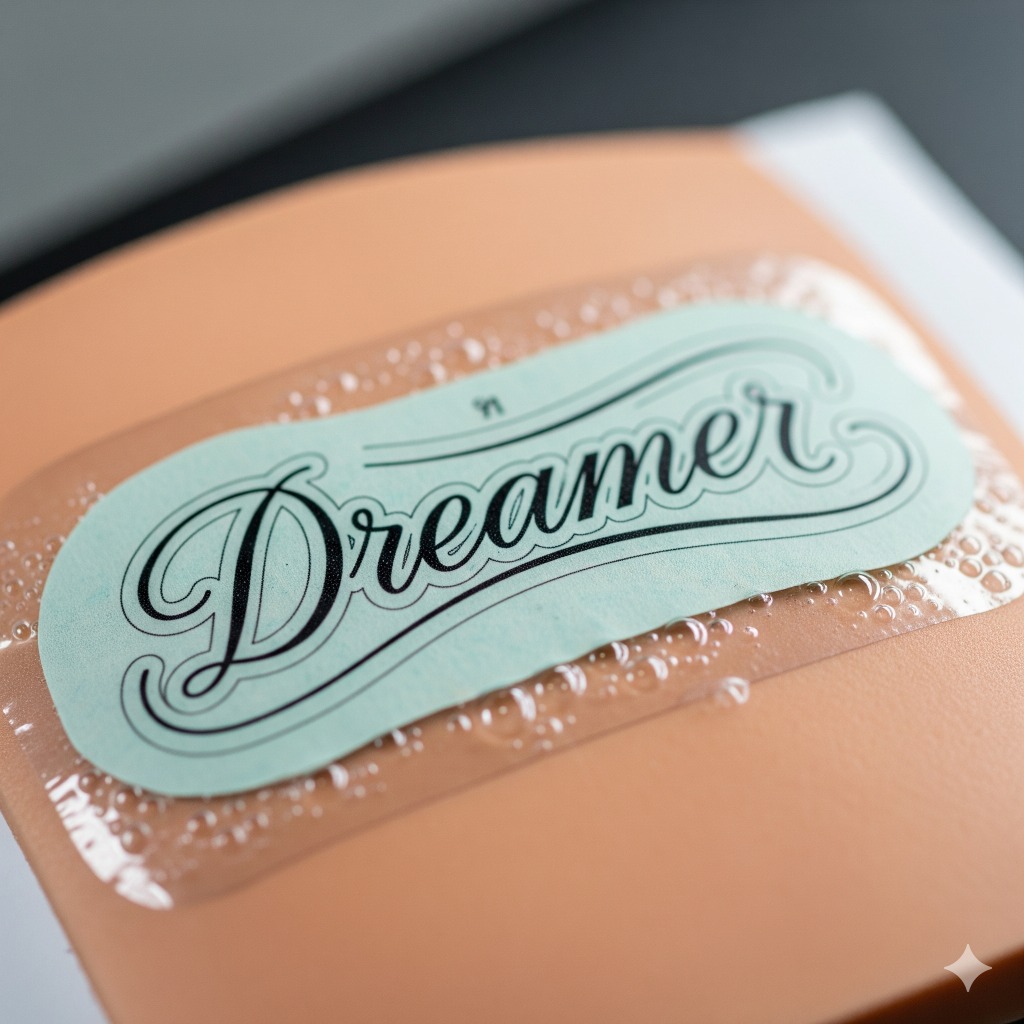
Thinking about getting a tattoo but stuck on what to ink? Lettering script tattoos are like the cool kids of the tattoo world—classic, personal, and endlessly stylish. Whether it’s a motivational quote, a loved one’s name, or just a word that tickles your fancy, the right script can turn your skin into a masterpiece.
Materials and Tools Needed for Designing Lettering Script Tattoos
Designing lettering script tattoos demands precision and style. We gather the right materials and tools to shape those elegant letters into permanent masterpieces.
Essential Tools for Sketching and Designing
Pencils with varying hardness (2B, 4B, 6B) let us capture both fine lines and bold strokes. Erasers (kneaded and vinyl) clean our canvas like magic without smudging. Fine-tip black ink pens provide crisp outlines to lock down winning designs. Graph paper or blank sketchbooks offer the perfect playground to flex our lettering muscles.
Digital Tools and Software for Tattoo Templates
Graphic tablets, such as Wacom Intuos models, enable us to replicate hand-drawn flair with digital precision. Software options like Adobe Illustrator and Procreate allow confident manipulation of strokes, curves, and kerning. Choosing vector-based programs elevates scalability—our tattoo templates stay sharp regardless of size adjustments.
Recommended Fonts and Calligraphy Supplies
Classic fonts such as Copperplate, Edwardian Script, and Brush Script set strong foundations for striking script tattoos. Calligraphy nibs (flexible pointed and broad-edge) paired with ink bottles offer versatility for traditional hand lettering. For a quirky twist, brush pens from brands like Tombow and Pentel let us channel spontaneous artistry right onto the paper.
Together these tools transform lettering script tattoo designs from mere ideas into timeless skin art.
Preparing to Design Your Lettering Script Tattoo Template
Starting the lettering script tattoo template means focusing on the essentials that make the design personal, stylish, and suited to the wearer’s story.
Choosing the Right Quote or Phrase
Selecting quotes or phrases involves picking words that resonate deeply. Quotes from famous authors, song lyrics, or mottos can make powerful statements. Names of loved ones or single meaningful words, such as “courage” or “breathe,” create intimate connections. Length matters because short phrases fit smaller spaces and maintain readability, while longer quotes demand bigger or more flexible layouts.
Matching Script Styles to Personal Meaning
Aligning script styles with personal meaning brings design and emotion into perfect harmony. Classic calligraphy scripts like Copperplate suggest elegance. Casual brush scripts show creativity and spontaneity. Bold Gothic styles express strength. Pairing the style with the message enhances the tattoo’s visual and emotional impact. For example, a delicate script suits a sentimental quote, while a blocky style complements a phrase about resilience.
Considering Tattoo Placement and Size
Determining placement and size shapes the entire design process. Wrists, forearms, and collarbones offer visible spots for shorter scripts. Larger areas like backs or ribs suit extended quotes and intricate scrollwork. Size affects font legibility and flow; tiny text risks blurring over time, while overly large tattoos can overpower the canvas. Factoring in body curves and movement ensures the text looks flawless from every angle.
How to Create Lettering Script Tattoo Design Templates
Creating lettering script tattoo templates requires a mix of creativity and precision to make words look as stylish as a secret handshake.
Step 1: Sketching Initial Ideas
Grab your favorite pencil and let the words dance on paper. Start with basic letter shapes capturing your chosen quote or phrase. Avoid getting fancy yet; focus on spacing and overall flow. Sketch multiple versions because as tempting as it is, the first draft rarely earns a standing ovation.
Step 2: Refining Lettering Styles
Pick the sketch that sings and polish those letters. Adjust thickness, slant, and curves to match the mood—elegant swirls for romantic lines or bold strokes for motivational punches. Use fine-tip pens for crisp outlines and erase stray marks like an overly enthusiastic editor.
Step 3: Experimenting with Flourishes and Decorations
It’s time to sprinkle some pizzazz. Add flourishes, swashes, or tiny decorative elements to enhance personality. Keep balance in mind; too much flair turns art into a circus poster. If flourishes clash with readability, simplify because tattoo clarity trumps fancy doodles.
Step 4: Finalizing the Template for Tattoo Artists
Convert your masterpiece into a clean digital file using graphic software or scans. Ensure lines are smooth and scaled accurately to the tattoo placement. Label key parts like letter height or spacing notes. Handing over a polished template spares tattoo artists from deciphering cryptic hieroglyphics and gives everyone happier skin.
Popular Lettering Script Tattoo Design Template Ideas
Exploring popular lettering script tattoo templates unlocks a treasure trove of styles. We dive into four favorites that turn ink into art with flair.
Classic Calligraphy and Cursive Scripts
Classic calligraphy and cursive scripts enchant with their flowing elegance. We embrace styles like Copperplate and Spencerian that boast graceful loops and respectful flourishes. These designs suit names, quotes, or vows, offering a timeless vibe that whispers sophistication. Perfect if our goal includes making fonts look like they took a detour from an 18th-century love letter.
Modern Brush Script Styles
Modern brush script delivers a casual yet dynamic personality. We pick fonts featuring lively strokes and varying thickness that mimic real brush pens dancing across the skin. Ideal for bold statements, motivational phrases, or playful words. This style packs energy and freshness, perfect for those wanting a tattoo that says “I’m stylish but I also enjoy a good coffee.”
Vintage Gothic and Old English Lettering
Vintage Gothic and Old English lettering stand out with dramatic flair and a dash of medieval majesty. We find these designs featuring sharp serifs and dense lines perfect for names, band logos, or poetic snippets needing extra attitude. This style commands attention, making it the king of script tattoos for those who want their ink to look like armor forged in the dark ages.
Minimalist and Clean Script Designs
Minimalist and clean script designs shine by keeping things simple and readable. We focus on thin lines, modest curves, and straightforward forms. These tattoos suit subtle personal messages or small meaningful words and phrases. When less is more, this style speaks volumes without shouting, making it excellent for anyone who wants sleek ink that pairs well with everyday life.
Tips for Creating Unique and Personal Tattoo Scripts
Crafting a lettering script tattoo that stands out demands creativity and thoughtful touches. Here are ways to make your script as unique and personal as your morning coffee ritual.
Incorporating Personal Symbols and Elements
Adding personal symbols boosts your tattoo’s meaning and uniqueness. Use small icons like hearts, stars, or feathers integrated into letters if the design allows. Place these symbols subtly within or around the script so they complement without overpowering. Incorporate birthdates in Roman numerals or astrological signs if they fit naturally. Blend personal elements smoothly to avoid clutter, ensuring the tattoo remains stylish and readable.
Combining Different Lettering Styles for Contrast
Mix fonts like cursive with bold sans-serif to create dynamic contrasts. Start with a flowing script for names paired with block letters for dates or significant words for visual interest. Use 2 to 3 contrasting styles maximum to prevent design chaos. Swap letter thickness or tilt angles between styles for emphasis. Layering styles enriches personality and catches eyes without losing the tattoo’s message clarity.
Using Shading and Texture in Script Tattoos
Add depth and dimension by shading letter edges or interior swirls. Use gradient shading from dark to light in thicker strokes for a 3D effect. Employ dotwork or stippling inside letters to create texture contrasts, enhancing tactile appeal. Apply subtle shadows below text if placement allows, lifting the script off the skin visually. Texture tricks turn flat words into living art, engaging viewers from every angle.
Common Challenges in Lettering Script Tattoo Designs and How to Overcome Them
Lettering script tattoos bring elegance and personality but also test our design skills. Tackling readability, decoration balance, and skin adaptation keeps our tattoo templates sharp and stunning.
Ensuring Readability with Small or Complex Text
Small or complex lettering scripts risk turning into a scribble mess with unreadable words. Prioritize simplicity by choosing slightly thicker strokes and limiting extremely intricate flourishes in tight spaces. Sketch first at scale to spot when letters merge into each other. If the text shrinks too much, bold strokes and spaced letters improve legibility. Our eyes thank us when contrast stays clear even at a glance.
Balancing Decorative Elements Without Overcrowding
Decorative flourishes spice up lettering but crowding the design suffocates the message. Use decoration as seasoning not the main dish. Reserve extra curls and dots for key focal letters or phrase edges. To maintain clarity, limit flourishes to two or three strategic spots rather than sprinkling them everywhere like confetti. Minimalistic spaces between words act like breathing room for the design, keeping the tattoo readable and elegant rather than an ink soup.
Adapting Designs for Different Skin Types and Areas
Skin texture and body curves yank designs out of shape if ignored. Smooth flat spots let fine lines shine, while uneven or moving areas like elbows or fingers demand sturdier strokes and simpler patterns. Match letter thickness and spacing to the tattoo location for consistent clarity. Darker or more textured skin benefits from higher contrast and bolder outlines to keep details popping. Designing with skin type and body curves in mind helps our lettering tattoos stay flawless instead of turning into inked Rorschach tests.
Alternative Methods for Designing Lettering Script Tattoos
Exploring other ways to craft lettering script tattoos opens fresh possibilities and keeps creativity flowing like ink on skin.
Working Directly with a Tattoo Artist’s Custom Design
Collaborating with a tattoo artist sparks unique designs tailored to personal style. We provide our ideas and let the artist transform them into exclusive lettering scripts if we crave something truly one-of-a-kind. Artists suggest fonts, flourishes, and placements while adjusting letter thickness for optimal skin readability. Trusting their expertise yields designs that marry artistry and tattoo practicality without a single “Oops” moment.
Using Tattoo Design Apps and Online Templates
Utilizing apps and online templates speeds up the design journey without sacrificing style. We pick from hundreds of lettering fonts and script styles, tweak kerning and curves digitally, then preview tattoos on virtual body parts. These tools, such as Inkscape or Procreate, offer layered editing features to experiment with flourishes and shadows. If we want instant results or a neat starting point, this method delivers professional-looking designs with zero paper cuts.
Tracing and Modifying Existing Lettering Designs
Tracing existing lettering scripts accelerates the design process and sparks inspiration. We place tracing paper or use digital overlays on favorite tattoo fonts and calligraphy pieces, altering strokes and adding custom touches like swirls or symbols after the fact. By transforming the traced base, we create hybrid scripts that look fresh but keep legibility intact. This method suits those who admire classic styles but fancy a personal twist without reinventing the entire alphabet.
Conclusion
Lettering script tattoos are like the little black dress of the tattoo world—timeless, personal, and always in style. Whether you’re channeling your inner calligrapher or just want a quote that makes you smile every time you catch a glimpse, there’s a script out there with your name on it (literally).
So, grab your pencils, fire up that design app, or just have a chat with your tattoo artist—they’re the real MVPs here. Remember, the best tattoo script isn’t just about looking good; it’s about telling your story with flair and a dash of personality.
Now go forth and let your skin do the talking—preferably in beautiful, legible script that even your grandma would admire.
Frequently Asked Questions
What makes lettering script tattoos so popular?
Lettering script tattoos are popular because they offer a classic, personal touch that allows wearers to showcase meaningful quotes, names, or words. They transform skin into a stylish canvas that reflects individual stories and emotions with elegance.
What tools are essential for designing lettering script tattoos?
Key tools include pencils for sketching, erasers, fine-tip ink pens for clear outlines, and sketchbooks for practice. Digital tools like graphic tablets and software such as Adobe Illustrator help create precise tattoo templates.
How do I choose the right quote or phrase for a lettering tattoo?
Select words or quotes that resonate deeply with you, such as famous sayings, song lyrics, or meaningful single words. The phrase should reflect your personal story and hold significant emotional value.
Which lettering styles are best for tattoo designs?
Popular styles include classic calligraphy (Copperplate, Spencerian), modern brush scripts, vintage Gothic/Old English, and minimalist clean scripts. Each style offers a unique look, matching different personalities and meanings.
How can I personalize my lettering tattoo script?
Incorporate personal elements like symbols, icons, or dates (e.g., Roman numerals). Combining two to three lettering styles and adding shading or texture can make the tattoo more unique and visually engaging.
What are common challenges in lettering script tattoos?
Challenges include maintaining readability, avoiding overcrowding with flourishes, and adapting designs to different skin types and placements. Using thicker strokes and balanced spacing helps ensure a clear and elegant tattoo.
How do I prepare a lettering tattoo design template?
Start by sketching basic letter shapes and flow, refine styles by adjusting thickness and curves, add subtle decorations, and finalize by creating a clean digital version for the tattoo artist.
Can I use digital tools to design my lettering tattoo?
Yes, digital tools like graphic tablets and design software make it easier to create precise tattoo templates, experiment with fonts, and customize styles before tattooing.
What alternative methods exist for designing lettering tattoos?
Consider collaborating directly with a tattoo artist, using tattoo design apps and online templates, or tracing and modifying existing designs. These methods offer creativity and personalization options.
How does tattoo placement affect lettering design?
Placement influences size, legibility, and visual impact. Certain body areas may require thicker letters or simpler designs to maintain clarity and complement the shape of the area tattooed.