
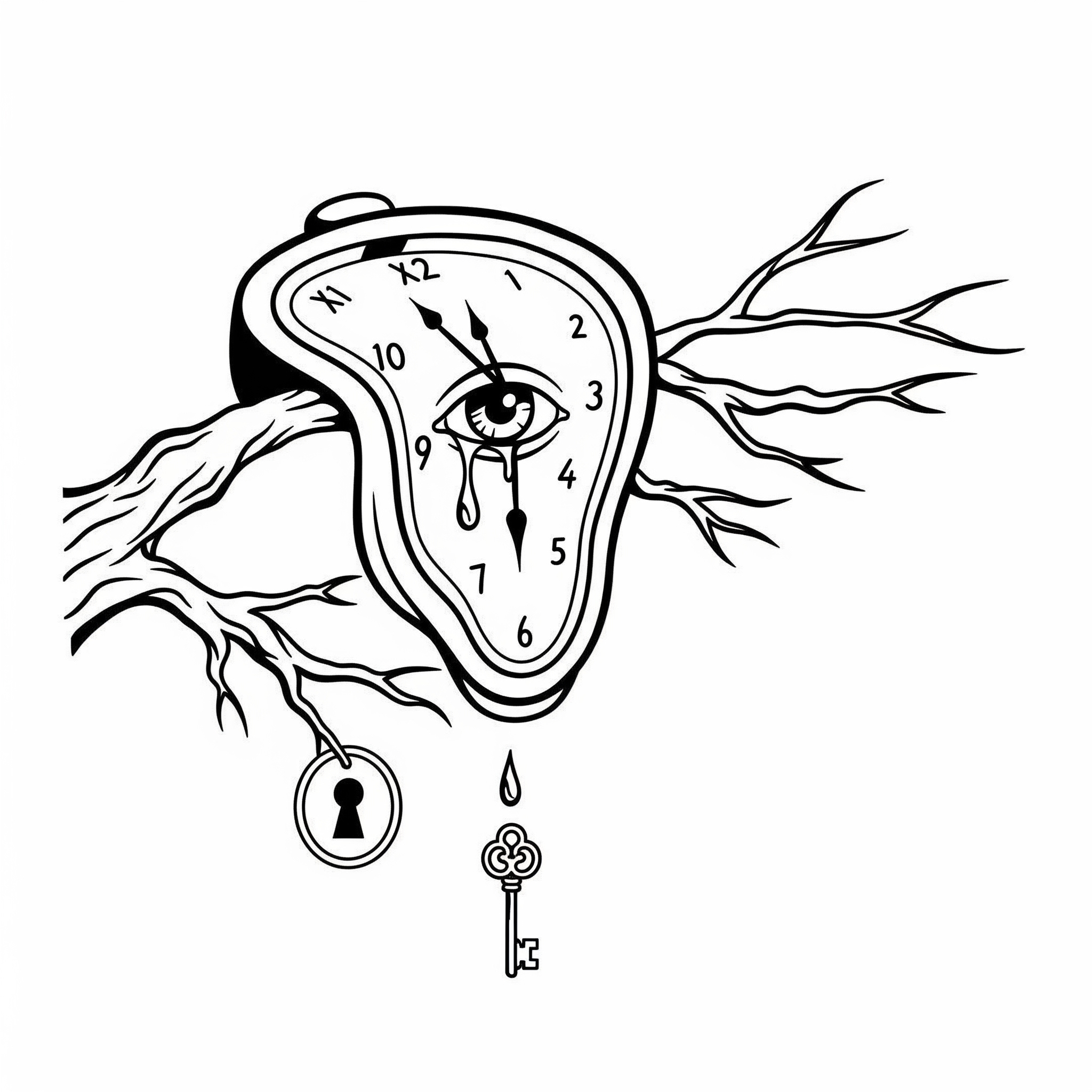
Ever stared at a tattoo that looks like it escaped from a dream and thought, “How did they even come up with that?” Welcome to the wild world of surrealism tattoos, where reality takes a coffee break and imagination runs the show. These designs aren’t just ink on skin—they’re a full-on mind-bending adventure.
Materials and Tools Needed for Surrealism Tattoo Design
Designing surrealism tattoos demands the right mix of creative tools and tattoo essentials. Keep these items handy to bring those dream-like visions sharply into reality.
Essential Drawing Tools for Designing
Start with high-quality sketchbooks, pens, and pencils, like graphite sets rated 2H to 6B for varied shading. Fine-tip liners and blending stumps lend detail and softness. Use charcoal sticks or colored pencils to experiment with surreal hues and textures. Rulers and erasers help keep unexpected shapes tidy without killing the vibe.
Tattoo Equipment and Supplies
Equip us with professional tattoo machines that handle both lining and shading needles smoothly. Sterile disposable needles in sizes from 3RL (round liner) to 13RS (round shader) suit surreal complexity. Skin-safe inks covering vivid colors and solid blacks anchor the surreal palette. Keep transfer papers, gloves, and disinfectants ready to tattoo safely and cleanly.
| Tattoo Equipment | Purpose | Examples |
|---|---|---|
| Tattoo Machines | Precise needle control | Rotary and coil machines |
| Needle Types | Lines and shading | 3RL, 7RS, 13RS needles |
| Inks | Color variety | Black, saturated colors |
| Transfer Papers | Design transfer | Thermal or hectograph paper |
| Safety Gear | Hygiene | Disposable gloves, disinfectants |
Recommended Software for Digital Design
Go digital with vector-based software like Adobe Illustrator for crisp surreal lines that scale flawlessly. Use Photoshop to layer textures, manipulate colors, and integrate photo elements. Procreate on tablets offers tactile flexibility for drawing surreal elements with pressure sensitivity. Each software expands surreal possibilities beyond traditional pen and ink.
Understanding Key Elements of Surrealism Tattoo Design
Grasping surrealism tattoo design basics hinges on mastering its key elements. We explore symbolism, themes, and the playful distortions that define surreal tattoos.
Symbolism and Imagery in Surrealism
Symbols pack heavy meaning in surrealism tattoos. We use objects like clocks, eyes, and animals to unlock subconscious messages or abstract ideas. For instance, melting clocks suggest distorted time perception while floating eyes symbolize inner vision. Precise imagery choice turns personal dreams into wearable art.
Common Themes and Motifs
Themes like transformation, duality, and absurdity dominate surrealism tattoo designs. We often find motifs such as dreamscapes, hybrid creatures, and distorted human figures. These subjects evoke wonder and challenge reality conventions. For example, a half-human half-butterfly motif represents metamorphosis and freedom.
Playing with Juxtaposition and Dreamlike Elements
Juxtaposition creates surprise and curiosity by pairing unrelated objects or scenes. We mix everyday items with bizarre elements to mimic dream logic—like fish swimming through clouds or hands growing plant leaves. These dreamlike distortions make surrealism tattoos visually captivating and intellectually playful.
Step-by-Step Guide to Creating a Surrealism Tattoo Design
Crafting a surrealism tattoo design requires a balance of creativity and structure. Let’s dive into each stage with clear steps that lead to a mind-bending masterpiece.
Research and Inspiration Gathering
Begin by collecting images, symbols, and motifs related to surrealism. Use art books, online galleries, and tattoo portfolios for variety. Focus on dreamlike elements such as melting objects, distorted figures, and unexpected combinations. Record at least 15 sources to ensure a broad range of influences and avoid déjà vu in your sketches.
Sketching Basic Concepts
Start with quick thumbnail sketches that capture core ideas. Draw 10 to 20 rough drafts featuring different compositions and juxtapositions. Use simple shapes and lines to outline how elements merge, overlap, or float. Don’t hesitate to mix realistic parts with abstract forms; surrealism thrives on the unexpected.
Developing Detailed and Abstract Elements
Choose the strongest thumbnails for refinement, then add details like texture, shading, and intricate patterns. Integrate symbolic items such as clocks, eyes, or hands that convey hidden meanings. Experiment with breaking physical laws—stretch limbs or warp perspectives—to reinforce the surreal aspect. Produce 3 to 5 polished drafts that vary in abstraction and intricacy.
Refining the Design for Tattooing
Finalize the design by simplifying overly complex areas for tattoo feasibility. Make sure line weights and shading transitions will translate well onto skin and hold up over time. Choose bold contrasts and clean outlines especially for smaller tattoos. Digitize the design using software like Procreate, adjusting colors and layers for clarity. Prepare a stencil-ready version and consult a professional tattoo artist to confirm technical suitability.
Techniques for Tattooing Surrealism Designs
Mastering surrealism tattoos demands precision and creativity in tattooing techniques. We break down the essentials to help surreal designs come alive on skin with impact and style.
Line Work and Shading Tips
Focus on crisp, clean line work, especially when rendering playful distortions or symbolic elements. Utilize varied line weights to emphasize depth or highlight focal points — thick lines for main subjects, thin lines for delicate details. Apply smooth, gradual shading to create dream-like transitions and surreal textures. Use stippling or cross-hatching for abstract shadows or to mimic ethereal effects. Avoid overworking shading to preserve the tattoo’s clarity over time.
Color Choices and Blending Techniques
Choose vibrant or unusual color palettes that challenge conventional reality—think electric blues, melting oranges, or neon pinks. Blend colors softly for surreal gradients, mimicking liquid or smoky illusions. Apply layering techniques to build rich, otherworldly hues without muddiness. Use contrasting colors strategically to enhance surreal juxtaposition. Stay mindful of color longevity on skin, picking inks that stay vibrant yet age gracefully.
Incorporating Negative Space Effectively
Design with negative space as a powerful surreal element rather than an afterthought. Use empty areas to frame floating objects, create optical illusions, or suggest hidden forms within the tattoo. Employ sharp edges of negative space to contrast bizarre, distorted shapes boosting visual surprise. Balance detailed sections with clean negative spaces to avoid overwhelming the viewer and maintain dreamlike clarity.
Helpful Tips for Surrealism Tattoo Artists and Enthusiasts
Mastering surrealism tattoos takes more than just imagination; we also need smart strategies to bring those dreamscapes alive on skin.
How to Communicate Your Vision with Your Tattoo Artist
Expressing surreal ideas requires clarity and creativity. Share reference images, sketches, and symbolic meanings to paint a vivid mental picture. Use precise descriptions like “melting clock dripping over a twisted tree branch” instead of vague terms. Discuss size, placement, and color preferences early so our artists don’t end up tattooing a Salvador Dalí impersonator by mistake. Encourage open questions and feedback to avoid mind-reading attempts. After all, mind-reading skills are not standard tattoo studio equipment.
Adapting Surrealist Art to Fit Body Contours
Tailoring surreal art to the body turns inanimate concepts into living masterpieces. Map the design onto flowing muscular curves or bony prominences before finalizing. Prioritize natural skin movement in joints to prevent distortion in key design elements like faces or intricate patterns. Scale motifs accordingly; tiny hybrid creatures might vanish into a wrist’s narrow space while larger dreamscapes bloom beautifully across shoulders or backs. Embrace asymmetry to complement body shape quirks and avoid forced symmetry that screams “I photoshopped this on a mannequin.”
Avoiding Common Design Pitfalls
Sidestep mishaps keeping surrealism sharp and vibrant. Beware of cluttering—too many unrelated symbols crammed together confuse the eye and brain alike. Stick to two or three main motifs for memorable impact. Avoid overly delicate line work in high-movement areas that blurs quickly like a bad magic trick. Balance colors so they pop without turning skin into a watercolor gone rogue. Finally, don’t ignore healing instructions or risk your dream-like tattoo morphing into a horror show. Surrealism surprises are fun on canvas, not when infection shows up to the party.
Troubleshooting Common Issues in Surrealism Tattoo Design
Addressing common glitches in surrealism tattoos keeps our dreamscapes looking sharp and not just like a Salvador Dalí meltdown. Let’s smooth out those wrinkles.
Fixing Misaligned or Confusing Elements
Misaligned elements obscure meaning and disrupt flow, so realign shapes and objects to guide the eye effortlessly. Simplify or separate overlapping items if confusion persists, making each symbol pop like it’s front stage at a surrealist cabaret.
Handling Design Overcrowding
Overcrowding buries detail under chaos and leaves clients squinting at their skin. Cut elements down to essentials and increase spacing between objects. Embrace negative space as a breath of fresh air in our intricate, warped worlds.
Adjustments for Skin Tone and Texture
Skin tone can mute colors and texture distorts fine lines, so select pigments with strong contrast and saturate colors for different complexions. Adjust line thickness and shading intensity for uneven or textured skin to prevent the design from melting into a nonsensical smear.
Alternative Methods and Styles Related to Surrealism Tattoos
Exploring surrealism in tattoo art opens doors to blending unique styles and pushing creative limits. Let’s dive into methods that mix surrealism with other trends and experiment with its simplest and wildest forms.
Combining Surrealism with Other Tattoo Styles
Mixing surrealism with styles like realism, neo-traditional, or watercolor creates eye-popping tattoos. Juxtaposing crisp realistic portraits with floating surreal elements such as melting clocks or levitating objects adds depth and intrigue to the composition. Layering thick bold outlines from neo-traditional tattoos under dreamlike imagery sharpens contrast and emphasizes key features. Splashing watercolor pigments around surreal motifs blurs reality’s edges just enough to keep us guessing. We recommend balancing detailed realism with surreal distortions for a harmonious effect that jolts the imagination.
Experimenting with Abstract and Minimalist Elements
Stripping surrealism down to abstract shapes or minimalist lines sharpens its conceptual punch. Using geometric forms or single-line drawings to suggest surreal themes like duality or transformation creates modern, sleek tattoos. Playing with negative space and sparse color palettes emphasizes the mystery behind minimalist surrealism. Simplifying complex surreal scenes into basic elements avoids clutter and highlights ideas vividly. We find abstract surreal tattoos perfect for those who want a subtle but profoundly strange story inked on their skin.
Conclusion
Diving into surrealism tattoo design is like stepping into a dream where clocks melt, eyes watch from unexpected places, and reality takes a coffee break. It’s a wild playground for our creativity, where the only rule is to break the rules—tastefully, of course.
Whether you’re sketching your first bizarre creature or blending styles like a tattoo DJ, remember: it’s all about balancing chaos with clarity. And hey, if your tattoo ends up looking like a Salvador Dalí fever dream, you’re probably on the right track.
So grab those pens, fire up your favorite design app, and let’s turn the surreal into skin art that’s as unforgettable as a dream you can’t quite explain.
Frequently Asked Questions
What are surrealism tattoos?
Surrealism tattoos are imaginative, dream-like designs that blend reality with fantasy. They often feature symbolic, distorted, or unexpected elements to evoke subconscious messages and challenge conventional perceptions.
What tools do I need for creating surrealism tattoo designs?
Essential tools include quality sketchbooks, pens, pencils, professional tattoo machines, needles, and skin-safe inks. Digital software like Adobe Illustrator, Photoshop, or Procreate also helps refine and experiment with colors and textures.
What themes and symbols are common in surrealism tattoos?
Common themes include transformation, duality, and absurdity. Popular symbols are clocks, eyes, dreamscapes, and hybrid creatures, all used to convey deeper meanings and evoke a sense of wonder.
How do I start designing a surrealism tattoo?
Begin by researching surrealism and collecting inspiration. Create thumbnail sketches to explore compositions, develop detailed abstract elements, and refine the design with symbolic items before finalizing a tattoo-ready version.
What tattooing techniques suit surrealism tattoos best?
Use crisp line work with varied weights, smooth shading for soft transitions, vibrant colors with blending, and strategic negative space to enhance depth and maintain clarity.
How can I communicate surrealistic ideas effectively to my tattoo artist?
Share clear reference images and provide detailed descriptions. Discuss how the design should flow with your body’s contours, ensuring the artist understands your vision and expectations.
How can I avoid common pitfalls in surrealism tattoo design?
Avoid cluttering the design, overly delicate lines, and poor placement. Follow proper aftercare instructions to ensure the tattoo heals well and retains its intended detail and vibrancy.
What should I do if my surrealism tattoo design looks confusing or cluttered?
Simplify the design by reducing elements and increasing spacing. Adjust line thickness and contrast to improve clarity and flow, keeping the composition visually balanced.
Can surrealism tattoos be combined with other styles?
Yes, surrealism blends well with realism, neo-traditional, watercolor, and minimalist styles to add depth, intrigue, or modern simplicity while maintaining surreal themes.
How do skin tone and texture affect surrealism tattoos?
Designs should include strong pigment contrast and appropriate line thickness to stand out on various skin tones and textures, ensuring the tattoo remains vibrant and clear over time.