Tribal tattoos have been around longer than your grandma’s secret chili recipe, and trust us, they’re just as bold and unforgettable. These designs aren’t just about looking cool (though they definitely do that too). They carry stories, meanings, and a whole lot of cultural punch.
If you’ve ever stared at a tribal tattoo and thought, “Is that a dragon? A wave? Or just some really intense doodling?” you’re not alone. We’re diving into the basics of tribal tattoo design to help you decode those sharp lines and swirls without needing a PhD in ancient art. So buckle up, because tribal tattoos are more than ink—they’re a statement, and we’re here to help you make yours loud and clear.
Understanding the History and Significance of Tribal Tattoos
Grasping tribal tattoos’ history and meaning sharpens our appreciation for their bold designs and cultural depth.
Origins of Tribal Tattoos
Roots of tribal tattoos trace back over 5,000 years across continents including Polynesia, Africa, and the Americas. Early tribes used tattoos for rites of passage, social status, and protection in battle. Each pattern acted like a personal resume, showcasing achievements and affiliations without a single word spoken.
Cultural Meanings and Symbolism
Symbols in tribal tattoos represent strength, courage, spiritual beliefs, and ancestry. For example, Maori tattoos often display family lineage and social rank. African tribal tats commonly include geometric patterns indicating tribe identity and life events. These designs carry stories told in ink, far richer than any chat over coffee.
Modern Interpretations and Trends
Contemporary tribal tattoos mix traditional motifs with new elements or styles, adapting ancient meanings for today’s ink enthusiasts. We see fusion with abstract art, color fills, and placement on unexpected body parts. While some choose tattoos purely for aesthetics, many still honor original symbolism, proving ink and culture can travel seamlessly through time.
Materials and Tools Needed for Tribal Tattoo Design
Designing tribal tattoos demands precision and the right set of tools. Using essential supplies boosts creativity and captures the bold statement tribal ink demands.
Essential Drawing Supplies
Pencils of varying hardness like 2B, 4B, and 6B sketch the first bold strokes. Paper options include heavyweight sketch pads or tracing sheets for detail work. Fine liners with tips in 0.1mm to 0.5mm lock in sharp tribal edges. Erasers in both kneaded and rubber forms erase mistakes or lighten lines without a mess. Rulers and French curves shape consistent geometric patterns synonymous with tribal styles.
Digital Tools for Designing Tribal Tattoos
Graphics tablets such as Wacom Intuos or Huion Kamvas enhance control over sweeping tribal lines. Software including Adobe Illustrator and Procreate offer vector-based precision and layering for complex patterns. Brushes crafted specifically for tribal effects speed up the creation process. Zoom functions magnify details ensuring every curve keeps its integrity when scaled.
Tattooing Equipment Overview (If Applicable)
Tattoo machines come in coil and rotary types with artists favoring rotary for smoother lines essential in tribal work. Needles sized 3RL to 9RL produce thick to thin lines granting variety in designs. Ink choices include carbon black pigments for deep contrast staying true to tribal aesthetics. Medical gloves, stencil paper, and skin markers prepare workspace and canvas. Sterilization gear ensures safety staying sharp both on design and hygiene fronts.
Fundamental Elements of Tribal Tattoo Design
Tribal tattoo design combines bold visuals with deep-rooted tradition. Mastering the fundamental elements helps us create powerful and meaningful ink.
Common Shapes and Patterns
Start with geometric shapes such as triangles, spirals, and zigzags. These figures repeat in patterns like chevrons and waves to build intricate textures. Circles and hooks appear frequently, representing cycles or protection. Incorporate curves and sharp points carefully to maintain the raw yet polished vibe tribal tattoos demand.
Use of Black Ink and Negative Space
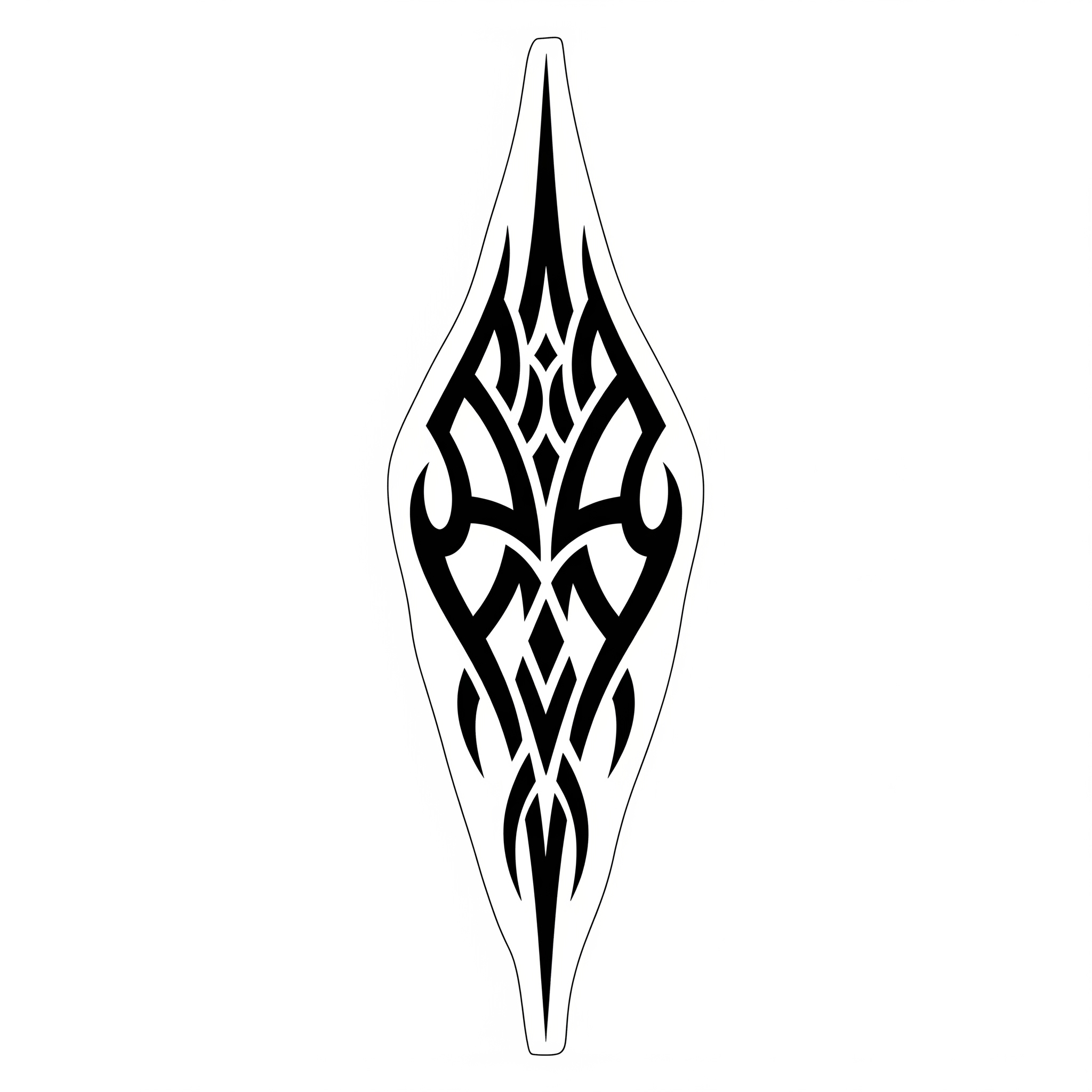
Black ink dominates tribal tattoos because it delivers striking contrast and longevity. Solid black areas form silhouettes while negative space carves out detailed highlights. Balance the dense black patches with open gaps to let the design breathe and pop against skin. This interplay of black and blank space directs the eye and adds depth without turning the ink into a blob.
Symmetry and Flow in Design
Symmetry grounds the tattoo visually, creating harmony and strength. Mirror images on limbs or balanced elements on the torso keep the design looking intentional. Flow guides the pattern along the body’s curves, not against them. Follow muscle lines and natural contours so the artwork seems like it belongs to the wearer instead of slapped on like a sticker.
Incorporating Symbolism and Personal Meaning
Embed symbols that resonate personally or culturally. For example, waves signify change and adaptability; animals like the turtle stand for protection and wisdom. Fuse traditional motifs with modern twists to honor heritage while telling our own stories. Keep symbolism clear to preserve the tattoo’s voice even decades later. Because ink isn’t just art—it’s a loud, permanent mic drop on one’s identity.
Step-by-Step Guide to Creating a Tribal Tattoo Design
Creating tribal tattoo designs demands both respect for tradition and a flair for bold artistry. Let’s dive into the process step-by-step.
Research and Concept Development
Understanding the tribe’s history guides us to authentic symbols. We gather sources such as cultural texts, tattoo archives, and interviews from tribal elders. This foundation limits cultural appropriation and boosts design meaning. We list motifs like spirals, zigzags, and crescents tied to stories of strength, courage, and lineage. Then we brainstorm personal elements to blend in without stealing the spotlight.
Sketching Initial Ideas
Starting with rough sketches captures raw creativity. We use pencils graded 2B or 4B on heavyweight sketch pads to create bold lines and shadows. We focus on basic shapes like triangles and circles in symmetrical layouts. Multiple quick drafts allow us to spot the best flow and balance. At this stage, we doodle fiercely—no erasures allowed unless we want to channel the tattoo gods.
Refining the Design and Adding Details
We sharpen outlines with fine liners for crisp contrast. Adding tribal textures such as dots, hatch marks, and curved lines gives depth but avoids clutter. We check symmetry rigorously with rulers or digital symmetry tools in software like Adobe Illustrator. Adjusting spacing ensures the design breathes on skin, not suffocates it. Including cultural symbols with care keeps authenticity intact while adding our creative twist.
Finalizing the Design for Tattooing
We transfer the polished design to a digital platform for cleaning and resizing. Vectorizing ensures smooth scaling on different body parts without pixelation. If we spotted any repetitive patterns, we streamline for visual punch. Choosing the final size follows the chosen body placement, like bicep wrap or back centerpiece. Lastly, we print stencils with clear lines for tattoo artists—ready to become an inked tribute that’s both fierce and respectful.
Tips for Designing Authentic and Unique Tribal Tattoos
Mastering tribal tattoo design demands respect for cultural significance while unleashing creative flair. Balancing tradition and originality keeps designs fierce and meaningful.
Avoiding Cultural Appropriation
Honoring tribal heritage requires thorough research into the origins and meanings behind each symbol. Copying sacred designs without understanding their significance risks disrespecting entire cultures. We stick to symbols with clear permissions or transform traditional motifs to create inspired rather than copied art. Consulting cultural experts or tribal members proves invaluable for accuracy. Avoid slapping a random tribal pattern just because it looks cool; authenticity beats trend every time.
Customization and Personalization Techniques
Elevating tribal tattoos beyond generic templates involves weaving the wearer’s story into the design. We mix traditional shapes with personalized elements like initials, dates, or modern symbols that spark connection. Playing with scale, flow, and negative space crafts designs that hug unique body contours while telling individual tales. Using different line weights or adding subtle shading introduces dimension without losing tribal boldness. Personalization transforms ink from tribal mimicry into a proud statement piece.
Working with Clients on Their Tribal Tattoo Ideas
Collaborating effectively starts with active listening to capture the client’s cultural ties and aesthetic goals. We ask pointed questions about heritage, symbolism preferences, and any taboos to dodge. Sketching multiple rough drafts invites client feedback early, preventing surprises and ensuring mutual respect. Educating clients about the history behind chosen patterns builds appreciation and guards against accidental appropriation. Clear communication makes tattoo sessions smoother and tattoos that resonate deeply — plus fewer lawyer calls.
Troubleshooting and Common Issues in Tribal Tattoo Design
Tribal tattoo design walks a tightrope between art and tradition. When things wobble, we step in with fixes that keep the culture bold and the ink sharp.
Balancing Complexity and Readability
We trim excessive details that muddle the bold impact tribal tattoos demand. We simplify intricate patterns, ensuring each shape stays distinct, even from a distance. Fewer overlapping lines let black ink pop for maximum contrast. We opt for thicker strokes when tiny elements crawl into invisibility, turning a jungle of shapes into a clean, striking design. Remember, tattoo skin isn’t a magnifying glass.
Correcting Symmetry and Proportion Problems
We spot uneven shapes and fix them by mirroring patterns with precision tools or digital grids. If one half wants to play rebel, we bring it back in line with its twin to keep that hypnotic tribal harmony. We tweak proportions so no part overstays its welcome or disappears into obscurity—every curve and angle earns equal stage time. Even the boldest warrior needs balance on their side.
Adjusting Designs for Different Body Areas
We size and reshape tattoo designs to match the canvas—whether it’s a bicep bulge, a flat back, or a wrist twist. We stretch linear patterns along arms and legs but compress sprawling motifs for smaller spots. Designs morph to the body’s natural flow so they sit snug without awkward breaks or distortions. If the body curves, we curve with it, avoiding designs that look like they tried to do yoga without warming up.
Conclusion
Tribal tattoos are like the ultimate conversation starters—bold, meaningful, and packed with stories that go way beyond skin deep. Getting the design right takes a bit of finesse, a dash of respect, and a sprinkle of creativity.
So whether you’re sketching your first tribal masterpiece or just admiring the artistry, remember: it’s all about honoring the roots while letting your own style shine through. After all, the best tattoos are the ones that tell a story only you can wear.
Frequently Asked Questions
What are tribal tattoos and why are they significant?
Tribal tattoos are ink designs rooted in the traditions of indigenous cultures. They carry deep cultural meanings, symbolizing strength, ancestry, spiritual beliefs, or social status. Beyond aesthetics, they represent personal stories and tribal identities that have been passed down through generations.
Where did tribal tattoos originate?
Tribal tattoos originated over 5,000 years ago across regions like Polynesia, Africa, and the Americas. Early tribes used them for rites of passage, marking achievements, social rank, and protection in battle.
What materials are used in designing tribal tattoos?
Designing tribal tattoos involves pencils of various hardness, heavyweight sketch pads, fine liners, rulers, and digital tools like graphics tablets with software such as Adobe Illustrator or Procreate. Tattooing requires machines, different needle sizes, safe inks, and strict hygiene practices.
How have tribal tattoo designs evolved today?
Modern tribal tattoos blend traditional motifs with new styles, including abstract art and color fills. They may appear on unconventional body parts, marrying cultural symbolism with contemporary aesthetics.
How can I create an authentic tribal tattoo design?
Start with thorough research on the tribe’s history to avoid cultural appropriation. Sketch basic shapes with symmetry, refine cultural symbols, and use digital tools for precision. Respect the tradition while infusing personal meaning.
Why is avoiding cultural appropriation important in tribal tattoos?
Cultural appropriation disrespects the origin community by misusing sacred symbols without understanding or permission. Careful research, expert consultation, and respect ensure the tattoo honors the heritage properly.
What are some common patterns in tribal tattoos?
Common patterns include bold black geometric shapes, symmetrical layouts, and flowing lines. These elements create striking contrast and harmony, reflecting the tattoo’s strength and cultural roots.
How to troubleshoot common design issues in tribal tattoos?
Simplify overly complex patterns for clarity, fix symmetry or proportion inconsistencies, and adapt designs to fit body contours. This maintains the tattoo’s readability and aesthetic integrity.
Can tribal tattoos be customized?
Yes. Customization combines traditional tribal elements with personal symbols to create unique, meaningful tattoos that reflect both the wearer’s identity and cultural heritage.
What should I consider when collaborating with a tattoo artist on a tribal design?
Ensure clear communication about cultural significance, share your research, and discuss your personal symbolism. Choose an artist experienced with tribal styles to respect tradition while achieving a bold, harmonious design.