
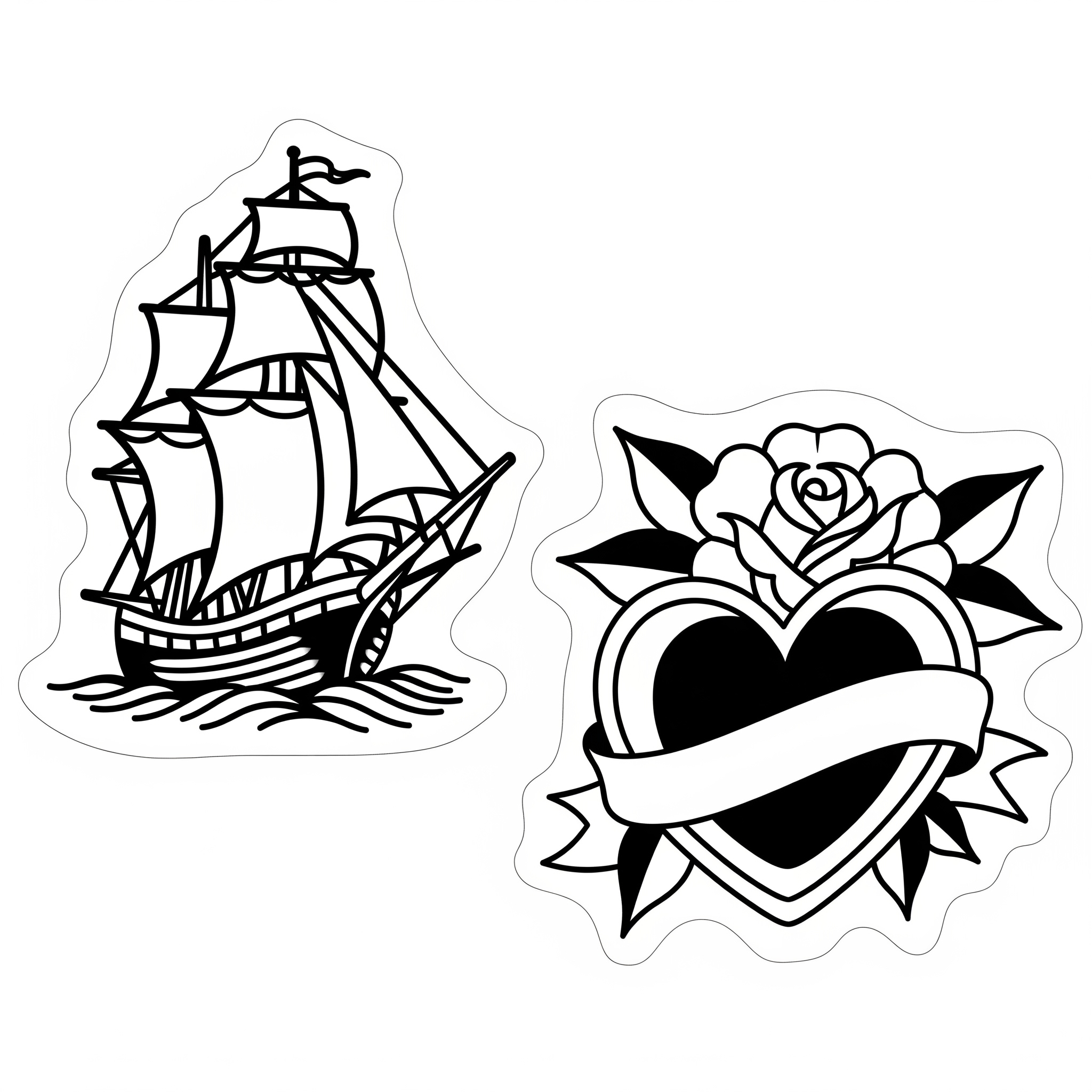
Ahoy there! When we think of old school nautical tattoos, we picture bold lines, bright colors, and designs that tell tales of the high seas. These classic tattoos aren’t just ink on skin—they’re a splash of history, adventure, and a pinch of rebellion rolled into one. Whether it’s an anchor, a swarthy sailor, or a fierce mermaid, each design carries a story that’s as deep as the ocean itself.
Materials and Tools Needed for Nautical Tattoo Design
Creating traditional old school nautical tattoos calls for precise tools and colors to capture that bold, adventurous spirit perfectly. Here’s what equips us to sail through the tattooing process smoothly.
Essential Tattoo Supplies
We grab these essentials to keep the ink flowing and skin happy:
- Tattoo machine: coil type for that classic punch
- Sterile needles: liners for sharp outlines, shaders for smooth shading
- Disposable gloves: because hygiene is the real captain here
- Tattoo power supply and foot pedal: our engine room
- Transfer paper: maps for our needle journeys
- Antibacterial soap and wipes: scrubbing away any mutinies
- Ointment: keeps skin moist and ready for adventure
Recommended Ink Colors and Their Significance
We chart our color course based on tradition and meaning:
| Color | Significance |
|---|---|
| Bold black | Outlines and longevity |
| Scarlet red | Passion, courage, and danger |
| Navy blue | Loyalty to the sea and sailors |
| Bright yellow | Sunlight and optimism |
| Forest green | Growth and good luck |
| White | Highlights and a touch of purity |
These colors snap together like a ship’s crew, creating designs that stick around longer than a sailor’s tales.
Sketching Materials for Design Planning
We plot our nautical masterpieces before the first poke using:
- Graphite pencils: varying hardness for detailed shading and bold outlines
- Quality drawing paper: smooth enough for fine lines yet sturdy for erasing
- Fine-tip pens: to lock in that design like a ship’s captain seals orders
- Ruler and compass: because even pirates appreciate precision
- Colored pencils or markers: test-driving ink shades without permanent consequences
Planning well makes sure our tattoo designs set sail exactly as intended—no rough waters here.
Designing Traditional Old School Nautical Tattoos
Designing traditional old school nautical tattoos requires careful attention to iconic symbols and their meanings. Mastering bold outlines alongside simple color fills brings these classic designs to life. Combining familiar elements like anchors, swallows, and ships connects us directly to the sea’s adventurous spirit.
Common Nautical Symbols and Their Meanings
- Anchor: Stability and strength represent anchors. Sailors believed anchors saved lives during storms.
- Swallow: Loyalty and safe return reflect swallows. Spotting a swallow symbolized 5,000 nautical miles traveled.
- Mermaid: Mystery and seduction define mermaids. They lured sailors but symbolized protection from drowning.
- Ship Wheel: Guidance and control signify ship wheels. This symbolizes steering one’s own destiny.
- Rope: Unity and connection express rope tattoos. They evoke bonds between sailors and their vessels.
Creating Bold Outlines and Simple Color Fills
- Start with a thick black outline. Use a steady hand to keep lines strong and clear.
- Keep color fills vibrant yet simple. Limit colors to primary hues such as scarlet red, navy blue, and golden yellow.
- Avoid gradients or shading. Flat fills enhance that vintage, eye-popping style.
- Balance each design’s negative space for bold contrast. This prevents overcrowding and keeps the tattoo readable from a distance.
Incorporating Classic Elements: Anchors, Swallows, and Ships
- Place anchors centrally to symbolize groundedness. Combining anchors with ropes or banners adds depth.
- Add swallows flying towards the anchor or ship. Their placement above symbolizes hope and safe passage.
- Detail ships with sails unfurled. Classic clipper ships or galleons evoke a timeless nautical spirit.
- Mix these elements carefully. Too many can clutter; just the right amount honors tradition while keeping designs crisp.
We keep these design principles at heart to channel that unmistakable old school nautical charm with every tattoo we craft.
Step-by-Step Process for Creating a Nautical Tattoo Design
Crafting a traditional old school nautical tattoo design breaks down into three parts. Each part sharpens our focus and lays the foundation for bold, sea-worthy ink.
Researching and Gathering Inspiration
Start with classic nautical symbols like anchors, swallows, ships, and mermaids. Collect at least 5 reference images from vintage tattoo flash sheets, maritime history books, or sailor tales. Study the bold lines and straightforward shapes. Pinpoint the meanings: anchors for stability, swallows for loyalty, mermaids for mystery. Remember, the sea doesn’t like complicated—keep inspiration simple but iconic.
Sketching Basic Designs and Layouts
Sketch at least 3 rough drafts using charcoal pencils or fine liners. Block out large shapes first—anchoring elements like ship wheels or ropes provide balance. Place symbolic elements spacing them evenly to avoid tattoo clutter syndrome. Double-check that outlines look bold enough to handle years of wear. Adjust sizes so the design reads clearly from 12 inches away (your future bar stool distance).
Finalizing the Design with Traditional Color Palette
Seal the deal with the traditional palette: bold black for outlines, navy blue, scarlet red, forest green, and sunny yellow for fills. Keep colors flat—avoid fancy gradients; it’s old school, not a Renaissance painting. Use markers or digital coloring tools to visualize how the inks pop. Confirm the balance between colors so no one shade hogs center stage. Our goal: a vibrant, straightforward tattoo that shouts “sea adventure” without a single squiggly line out of place.
Tips for Achieving Authentic Old School Nautical Style
Mastering the traditional old school nautical look demands particular focus on outlines, colors, and simplicity to nail that timeless sailor flair.
Utilizing Thick Black Outlines
Start by embracing thick black outlines. They define the tattoo’s shape boldly and help the design stand out from the skin, even years later. Keep line width consistent between 3 to 5 millimeters, allowing the classic style to shine through without the design morphing into a blurry mess. Relying on these thick outlines anchors every nautical symbol firmly, just like the anchor itself.
Choosing the Right Colors for Longevity
Opt for bold and saturated colors that resist fading under sun or time. Scarlet red, navy blue, emerald green, and bright yellow rank top choices as they maintain vibrancy. Use quality pigments formulated for tattoo durability; for instance, India ink for deep blacks and organic-based colors for brightness enhance longevity. Applying solid color fills instead of gradients also keeps the palette punchy after decades of saltwater adventures.
Maintaining Simplicity and Boldness in Design
Limit details to essentials. Traditional nautical tattoos thrive on straightforward imagery—no frilly flourishes or tiny hidden surprises. Focus on iconic elements like anchors, swallows, or mermaids with uncomplicated shapes and minimal shading. Each stroke counts. Keep compositions balanced but uncluttered so the boldness doesn’t get lost inside a sea of confusion. Remember, less really is more when it comes to channeling that old school tattoo swagger.
Alternative Techniques and Variations
Exploring alternative techniques and variations keeps traditional old school nautical tattoos fresh without losing their salty swagger. Let’s dive into how modern twists and bold combinations amplify classic maritime charm.
Adding Modern Twists to Classic Designs
Integrating subtle shading enhances depth while maintaining bold outlines. Incorporating watercolor splashes behind anchors or swallows breaks the expected color blocks with unexpected vibrancy. Using dotwork textures within ship wheels adds intricate contrast yet respects simplicity. Experimenting with asymmetrical compositions creates dynamic layouts, provided the symbols remain instantly recognizable. Injecting minimalist typography such as a sailor’s name or coordinates in vintage fonts complements the artwork when placed carefully. These updates highlight personal stories while keeping traditional nautical roots at the helm.
Combining Nautical Tattoos With Other Traditional Motifs
Blending roses, daggers, or skulls with anchors produces powerful symbolism of strength and resilience. Merging eagles or pinup girls lends patriotic or rebellious undertones without sacrificing classic flair. Intertwining ropes around compasses or mermaids bonds unity and guidance visually and thematically. Layering banners with sailor mottos frames designs elegantly, emphasizing meaning clearly. Introducing stars or nautical stars scattered around ships enhances navigation symbolism distinctly yet cohesively. These crossovers enrich traditional nautical tattoos with variety and visual interest without capsizing timeless aesthetics.
Common Mistakes to Avoid in Nautical Tattoo Design
Steering clear of classic blunders sharpens the impact of our nautical tattoos. Staying true to tradition without overloading designs or meanings keeps the spirit of the sea alive.
Overcomplicating the Design
We know simplicity rules the waves. Overcomplicating artwork buries iconic symbols under a sea of detail. Keeping lines bold and shapes distinct anchors the design firmly in old school style. Avoid adding tiny waves, excessive shading, or extra elements unless they enhance the story. Complex designs look messy and lose their vintage charm fast.
Using Too Many Colors or Gradients
We stick to a handful of bold hues. Splashing too many colors or applying gradients turns our crisp nautical tattoos into a blurry mess. The magic comes from flat fills in scarlet red, navy blue, and classic black outlines that stand out on any skin tone. Using gradients or faded shades, while tempting, washes out the bold impact and betrays old school roots.
Ignoring the Symbolic Meaning of Nautical Elements
We respect every anchor, swallow, and mermaid as a symbol with salty stories. Ignoring these meanings drains tattoos of their spirit and reduces designs to mere decoration. Each element signals loyalty, guidance, mystery, or unity, so omitting or misplacing them muddles the narrative. Keeping true to meanings keeps tattoos sailing steady through time.
Troubleshooting and Fixes for Design Issues
Even the saltiest tattoo artists hit rough seas with design hiccups. Here’s how to navigate common issues and keep those old school nautical tattoos shipshape.
Redrawing Outlines That Appear Fuzzy
Bold black outlines build that signature old school look. If outlines look fuzzy or shaky, retrace them using a freshly inked needle and steady hand. Avoid pressing too hard, or the ink floods. Too light and the line disappears like a ghost ship. If shaky hands betray us, slowing down and using shorter stroke lengths tightens lines and regains crisp edges. When all else fails, tracing over the original outline twice or thrice locks in that boldness sailors adore.
Balancing Design Elements to Avoid Clutter
Simple beats complicated in traditional nautical aesthetics. When designs look like a tangled fishing net, prioritize key symbols like anchors or swallows and scale down less important details. Negative space saves the day by giving each element room to breathe. We reposition overlapping elements into harmonious shapes and reduce excessive lines. Remember, more doesn’t equal better; clarity charts the course to classic appeal.
Correcting Color Imbalance in the Design
Colors clash harder than ship battles when imbalanced. To fix this, tone down overpowering reds or blues by limiting their area or muting hues with a touch of black. Distribute key colors evenly to create a visual tide that flows smoothly across the tattoo. If colors bleed together, sharpen edges with black outlines or add white highlights to separate sections. Maintaining vibrant signature colors like scarlet red and navy blue ensures the design stays true to its nautical roots without mutiny in the visuals.
Conclusion
Old school nautical tattoos aren’t just ink on skin—they’re a splash of history, a dash of adventure, and a hearty dose of rebellion all rolled into one. When we dive into these designs, we’re not just decorating ourselves; we’re carrying stories of the sea, loyalty, and mystery wherever we go.
So whether you’re thinking of getting inked or just admiring from afar, remember: it’s all about bold lines, vibrant colors, and keeping that classic spirit alive. After all, why settle for a boring tattoo when you can wear a timeless tale? Anchors aweigh!
Frequently Asked Questions
What are old school nautical tattoos?
Old school nautical tattoos feature bold lines and bright colors, representing maritime history, adventure, and rebellion. Classic designs include anchors, sailors, mermaids, and ship wheels, each symbolizing unique meanings like stability or loyalty.
What materials are needed for traditional nautical tattoos?
Key materials include a coil tattoo machine, sterile needles, disposable gloves, transfer paper, and traditional ink colors such as black for outlines, scarlet red, and navy blue. Proper tools ensure precise and safe tattooing.
What designs are common in old school nautical tattoos?
Common designs are anchors (stability), swallows (loyalty and safe return), mermaids (mystery), ship wheels (guidance), and ropes (unity). These symbols maintain the nautical tradition and storytelling.
How do I create an authentic old school nautical tattoo design?
Focus on bold black outlines, simple and iconic symbols, and vibrant primary colors like red and blue. Keep designs balanced and avoid overcrowding to maintain a clean, timeless look.
Can modern techniques be used with old school nautical tattoos?
Yes, subtle shading and watercolor effects can enhance classic designs without losing bold outlines. Combining nautical symbols with traditional motifs like roses or skulls adds fresh, meaningful variations.
What are common mistakes in nautical tattoo design?
Avoid overly complex designs, fuzzy outlines, color imbalances, and ignoring symbolism. Simplicity and honoring traditional meanings are key to creating successful old school nautical tattoos.
How do I prepare the design process for a nautical tattoo?
Begin by researching classic symbols, gather references, sketch simple layouts focusing on balance, and finalize using a traditional bold color palette. This step-by-step ensures clarity and authenticity.
Why are thick outlines important in old school nautical tattoos?
Thick black outlines define shapes clearly and help tattoos maintain their bold appearance over time, preventing fading and blurring, which is essential for the vintage style’s longevity.