
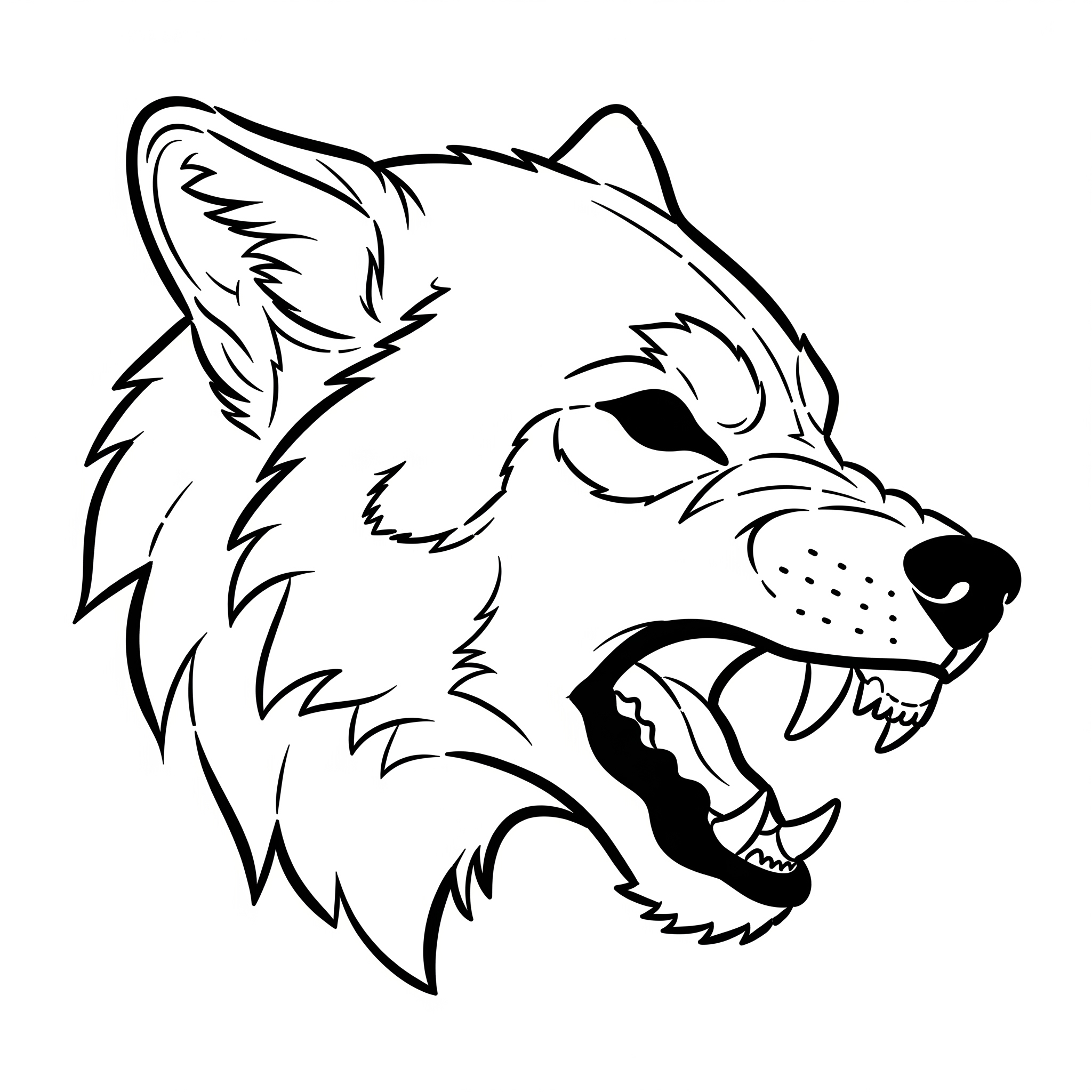
Tattoos are like wearable art but what if we told you there’s a style that looks like your skin got doodled on by a genius with a pen? Enter sketchwork tattoos – where rough lines meet creative chaos and your body becomes a living sketchpad. It’s like your tattoo artist didn’t just ink you but also unleashed their inner Picasso with a splash of “I totally meant to do that.”
Materials and Tools Needed for Sketchwork Tattoo Designs
Mastering sketchwork tattoo designs requires the right materials and tools. We gather everything that fuels creativity and keeps the lines lively.
Essential Drawing Tools
Pencils 2B, 4B, and 6B deliver varied shading and texture for raw sketches. Fine-liner pens sized 0.1 mm to 0.5 mm sharpen details for crisp, chaotic outlines. Erasers kneaded and rubber ensure mistakes disappear without a trace. Sketchbooks with acid-free paper hold endless doodle experiments until the perfect design emerges.
Recommended Tattoo Supplies
Tattoo machines coil and rotary with adjustable speeds adapt easily for sketch-style lines. Sterile needles ranging from 3RL (round liner) to 7RS (round shader) control line thickness and shading intensity. Black tattoo inks with organic pigments provide rich contrast matching the pencil’s darkness. Disposable gloves, stencil transfer paper, and medical-grade disinfectants keep everything clean while crafting chaos on skin.
How to Create Sketchwork Tattoo Designs
Mastering sketchwork tattoo designs requires clear planning creative sketching techniques and thoughtful depth and texture. Following key steps helps us craft bold playful tattoos that speak volumes.
Planning Your Sketchwork Tattoo
Start with a theme or concept that excites us. List three to five ideas such as animals buildings whimsical objects or abstract shapes. Choose materials including a mechanical pencil fine-liner pens and quality sketchbooks to test compositions. Sketch several thumbnails evaluating which captures the essence best. Remember less polish more drama ensures that the tattoo feels spontaneous not stiff.
Basic Sketching Techniques
Begin with light jagged pencil strokes imitating sketchbook doodles. Vary pressure to achieve natural roughness. Use quick crosshatching for shadows and texture preview. Outline main shapes with a fine-liner pen keeping lines loose and uneven. Introduce some scribbles or dashed lines to mimic a fast energetic sketch. Minimal erasing keeps charm authentic and lets happy accidents thrive.
Adding Depth and Texture
Layer lines in clusters to create subtle shadows without filling large areas. Contrast thick and thin lines emphasizing edges or folds in the design. Apply stippling dots to suggest texture such as fur or rough surfaces. Mix solid blocks of black ink sparingly to anchor the composition’s eye. Depth emerges when we balance chaos with intentional strokes avoided overworking.
Experimenting with Line Work and Shading
Push boundaries by combining smooth curves with jagged zigzags creating dynamic tension. Use broken lines or smudged shading near edges mimicking imperfect sketches. Blend pencil graphite with black ink spots for gritty realism. Ink splatters or ink drops add sidebar fun enhancing the tattoo’s spontaneous vibe. Trying different needle configurations adjusts line weight offering varied textures on the same piece.
Popular Sketchwork Tattoo Design Ideas
Sketchwork tattoos shine by blending spontaneous creativity with distinctive themes. Our exploration covers popular design ideas that match the energetic and raw feel of sketchwork.
Nature-Inspired Sketchwork Tattoos
Nature-inspired sketchwork tattoos combine delicate jagged lines and flowing strokes to capture plants, flowers, and trees. Examples include roses, oak leaves, and wildflowers that use layering to create texture and depth. We apply stippling to mimic the rough bark or petal veins, embracing imperfection over photorealism for lively, organic effects.
Abstract and Geometric Sketch Designs
Abstract and geometric sketch designs explore bold shapes like triangles, circles, and irregular polygons with sketchy outlines. We play with intersecting lines and shading gradients to suggest motion and contrast. These designs look like art drafts, featuring overlapping forms or minimalistic “incomplete” sketches that tease the eye and invite interpretation.
Portrait and Figure Sketchwork Tattoos
Portrait and figure sketchwork tattoos capture human faces and bodies with expressive rough lines and minimal shading. We emphasize contour lines, crosshatching, and scribbles to highlight facial expressions or muscular forms. These designs often appear like quick studies from a life drawing class, blending realism and abstraction in one exciting blend.
Animal Sketchwork Tattoos
Animal sketchwork tattoos depict creatures such as wolves, birds, and cats using spontaneous line work and animated details. We use rough strokes for fur texture and flowing lines to suggest motion or emotion. These tattoos evoke energy and personality, appearing as if sketched mid-movement on the skin with bold, expressive gestures.
Tips for Customizing Your Sketchwork Tattoo Design
Customizing sketchwork tattoos transforms a raw idea into a unique masterpiece. Let’s dive into ways to tailor this chaotic charm to fit your vibes perfectly.
Combining Styles with Sketchwork
Mixing styles sparks visual fireworks. Blend sketchwork with realism to shock people with unexpected sharp details amid looseness. Layer sketchy lines over watercolor splashes to add color chaos without losing structure. Fuse minimalism—like simple geometric shapes—to tame the wild scribbles, creating balance. We mix styles like a tattoo smoothie—some rough, some smooth, all deliciously unexpected.
Using Color vs. Black and Gray
Choosing color injects energy; black and gray exude classic edginess. Partner vibrant reds and blues with sketchwork lines to animate flowers or animals, giving them pop without drowning in pigment. Opt for black and gray when craving timelessness or if your sketch vibes lean moody and mysterious. We pick color for punchy fun and black-gray for sleek sophistication—both summon major sketch style points.
Matching Your Tattoo to Your Personal Style
Your tattoo wardrobe must vibe with your everyday fashion. If your closet bursts with streetwear and bold prints, your sketchwork can bounce with graphic elements and chunky outlines. For vintage souls rocking muted tones, subtle sketch lines and minimal shading keep the tattoo cozy. If you swing bohemian, wild sketch lines paired with earthy color washes fit right in. We match tattoos to style like a tailor fits a suit—snug, personal, and never boring.
Preparing for Your Sketchwork Tattoo Session
Getting a sketchwork tattoo demands preparation that blends creativity with a dash of sanity. Our skin is the canvas, so treating the session like a collaboration ensures the best results.
Communicating Your Design to the Tattoo Artist
Start by gathering reference images, sketches, or even doodles that capture the vibe we want. Sharing these allows the artist to understand our vision for jagged lines, shading, or playful chaos. Explain the preferred style clearly, such as rough outlines or stippled shading, so the artist knows whether to channel a mad genius or a meticulous planner. Discuss placement and size as specifically as choosing flavors at an ice cream shop–precision saves regrets. Make sure the artist confirms the design’s feasibility on skin texture and body curve to avoid unwanted surprises. Open communication creates a tattoo that feels tailor-made and not just a mystery scribble.
What to Expect During the Tattooing Process
Brace for a sensory rollercoaster dominated by buzzing, occasional pinches, and probably some questionable jokes from the artist. Expect detailed line work to occur first, using varied needle configurations to mimic pencil strokes and sketchy effects. Anticipate the artist blending jagged lines with shading layers in sessions lasting between 1 and 3 hours, depending on complexity. Keep in mind skin might sting or tingle, especially where bones lurk close to the surface, so preparedness equals comfort. Expect the artist to clean the area repeatedly to maintain the art’s crispness and avoid ink blurs. Rest, hydration, and a good playlist elevate the experience, turning the tattoo chair into our personal sketchpad adventure zone.
Aftercare for Sketchwork Tattoos
Keeping those jagged lines sharp and the playful doodles vibrant means giving sketchwork tattoos the right kind of lovin’ right from the get-go.
Immediate Aftercare Tips
Start by gently washing the tattoo twice a day with fragrance-free, mild soap and lukewarm water. Pat it dry with a clean towel—rubbing makes those delicate lines cry. Apply a thin layer of recommended healing ointment, but don’t go slather-crazy; too much grease turns the masterpiece into a slip-and-slide. Avoid scratching, picking, or soaking your skin in pools or baths for at least two weeks. Draping loose clothing over it helps avoid irritation while letting your skin breathe. Keep tattoos away from direct sunlight because UV rays love killing fresh ink’s vibe.
Long-Term Maintenance for Line Clarity
Keep those sketch-like strokes sharp by moisturizing daily with a fragrance-free lotion. Protect the tattoo like a precious doodle drawing and never skip sunscreen—SPF 30 or higher works wonders in preventing fading. When swimming or sweating during workouts, rinse and moisturize afterward to defeat dryness. Regular touch-ups by your artist keep lines crisp especially if you live the outdoorsy life or have fair skin. Remember that well-maintained tattoos age like fine art, not like last year’s doodle on your notebook.
Troubleshooting Common Sketchwork Tattoo Issues
Sketchwork tattoos bring vibrant chaos but sometimes chaos spills over. Tackling common issues keeps our lively lines looking sharp rather than smudged or faded.
Ideas to Fix Blurred or Smudged Lines
Blurred or smudged lines mimic an overenthusiastic toddler with crayons. Opting for professional touch-ups using fine liner needles restores crisp edges and sharp details. Avoid heavy shading over delicate linework since it merges and blurs the intended sketch effect. Keeping tattoos dry and avoiding friction-heavy clothing during healing prevents early smudging. Using a gentle tattoo-friendly moisturizer instead of thick creams helps lines stay distinct. If smudging shows up weeks later, scheduling a touch-up session within six months retains the tattoo’s original chaos charm.
How to Handle Fading Over Time
Fading tries to turn bold sketches into faint doodles erased by time. Applying broad-spectrum sunscreen daily shields from UV rays that bleach inks. Limiting prolonged sun exposure and moisturizing skin regularly help maintain ink saturation. If fading dips below our chaos threshold years in, a color-refresh or black ink reinforcement session restores vibrancy and contrasts. Choosing high-quality, saturated inks from the start reduces the speed of fade. Recognizing that some fading adds vintage character keeps expectations aligned with time’s artistic license.
Conclusion
Sketchwork tattoos aren’t just ink on skin—they’re like carrying around your own personal art experiment. Sure, they might look a little wild and untamed, but that’s exactly what makes them so darn cool.
If you’re ready to turn your body into a living doodle pad, just remember: it’s all about embracing the chaos and having fun with it. So grab your creative hat, trust your artist, and get ready to rock a tattoo that’s as unique and quirky as you are.
Frequently Asked Questions
What is a sketchwork tattoo?
A sketchwork tattoo is a tattoo style that mimics the look of a rough, hand-drawn sketch or doodle. It features spontaneous, jagged lines and creative chaos, giving the skin an artistic, unfinished appearance.
What materials are needed for creating sketchwork tattoo designs?
Essential materials include various grades of pencils for shading, fine-liner pens for outlining, sketchbooks for practicing, adjustable tattoo machines, sterile needles for line variation, and high-quality black ink.
How do artists create depth and texture in sketchwork tattoos?
Artists layer lines, use stippling (dotting), and mix jagged and smooth strokes. Different needle configurations also help achieve varied textures and dynamic effects.
What are popular themes for sketchwork tattoos?
Common themes include nature-inspired motifs (plants, flowers), abstract and geometric shapes, expressive portraits, and lively animal designs, all rendered with energetic, sketchy lines.
Can sketchwork tattoos be customized with color?
Yes, sketchwork tattoos can be done in either black and gray for a classic look or with color to add vibrancy. Personal style and effect preferences guide this choice.
How should I prepare for a sketchwork tattoo session?
Prepare by gathering reference images and discussing your design preferences clearly with your tattoo artist, including size, style, and placement to ensure a personalized result.
What should I expect during the tattooing process?
Expect to feel the tattoo machine working on your skin with attention to cleanliness. The artist uses sketching techniques, varying needle sizes to create the desired texture and line quality.
How do I take care of a new sketchwork tattoo?
Gently wash your tattoo, apply a thin layer of healing ointment, avoid sun exposure, and moisturize daily. Long-term care includes using sunscreen and getting touch-ups when needed.
How can I troubleshoot blurred or faded lines in my sketchwork tattoo?
Prevent issues by protecting your tattoo from sun exposure, moisturizing regularly, and visiting your artist for professional touch-ups. Using high-quality ink initially also helps maintain sharp lines.
Can sketchwork tattoos be combined with other tattoo styles?
Yes, combining sketchwork with realism or minimalism can create unique visual effects, enhancing personal expression and making your tattoo truly one-of-a-kind.