
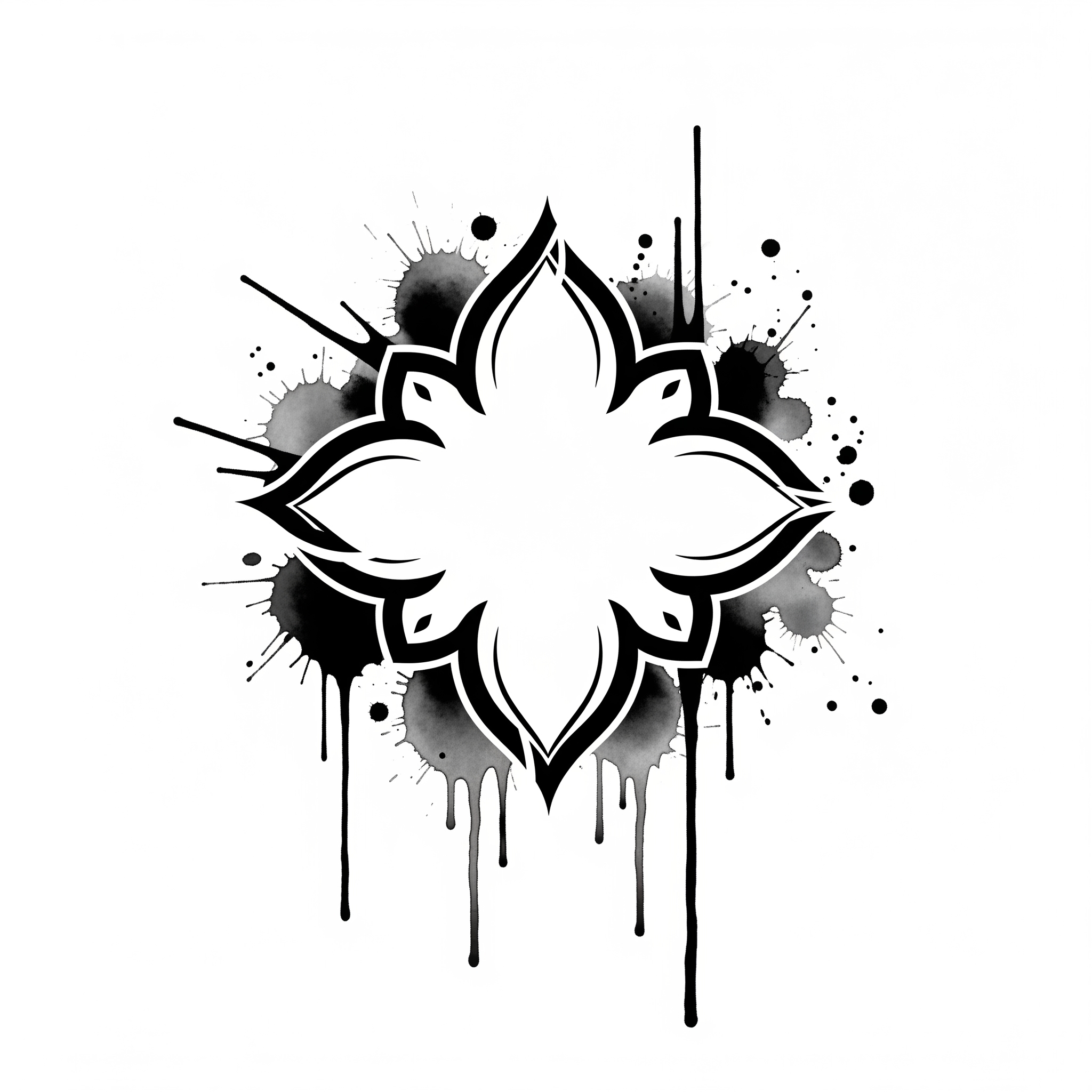
Watercolor tattoos have burst onto the scene like a splash of paint on a blank canvas—vibrant, free-flowing, and totally mesmerizing. If you’ve ever admired those dreamy, brushstroke-style tattoos that look like they belong in an art gallery rather than on skin, you’re not alone. We’re here to dive into the colorful world of watercolor tattoo design basics without getting lost in the paint.
Materials and Tools Needed for Watercolor Tattoo Design
Kickstarting a watercolor tattoo design requires selecting specific materials and tools that bring those splashy, painterly looks to life. Getting these essentials right forms the sturdy base for our artistic adventure.
Essential Tattooing Equipment
- Tattoo machine: Rotary models offer smooth lines needed for flowing watercolor effects.
- Needles: Round shaders and magnums, in sizes 5 to 9, perfect blending and layering colors.
- Power supply: Steady voltage ensures consistent ink flow and prevents blotchy patches.
- Ink caps: Small disposable cups hold varied ink colors separately, no cross-contamination allowed.
- Gloves: Nitrile gloves protect hygiene; latex-free to avoid allergic reactions.
- Transfer paper: Transfers watercolor designs accurately onto the skin, guiding our brush-like strokes.
Specific Inks for Watercolor Effects
- Pigment-based inks: Transparent hues in blues, reds, and yellows mimic watercolor transparency.
- Dilutable inks: Special diluted inks allow subtle gradients without harsh outlines.
- Mixing palettes: Non-absorbent palettes facilitate custom shading and layering color washes.
- Brands like Eternal and Intenze supply colors tested for vibrancy and fade resistance matching watercolor styles.
Skin Preparation Products
- Antiseptic solutions: Pre-clean skin using alcohol or chlorhexidine for a sterile canvas.
- Shaving razors: Remove hair cleanly, avoiding skin nicks that disrupt smooth color application.
- Barrier film: Thin layer protects fresh skin; allows inks to settle evenly without smudging.
- Moisturizers: Fragrance-free formulas maintain skin hydration pre- and post-tattoo journey for optimal healing.
Selecting these materials and tools equips us to craft watercolor tattoos with the fluidity and charm that set them apart.
Understanding Watercolor Tattoo Techniques
Mastering watercolor tattoo techniques involves capturing the fluidity and softness typical of the watercolor painting style. Let’s dive into the core methods that bring these tattoos to life.
Brush Stroke Effects and Color Blending
Mimicking brush strokes demands controlled needle speed and light hand pressure to create delicate, sweeping lines. We use round shader needles to distribute ink sparsely, allowing colors to flow into one another without harsh boundaries. Blending multiple hues—like blues merging into purples or reds fading into oranges—happens by layering diluted inks and softly overlapping shades. The result looks like a wet-on-wet painting, minus the paper wrinkles.
Using Negative Space for Watercolor Style
Negative space acts as the unsung hero of watercolor tattoos. Leaving skin bare between color patches mimics the spontaneous gaps found in watercolor paintings. We strategically place clear zones to suggest highlights or to break up color density. This technique prevents the tattoo from appearing as a solid blob and adds a breathe-easy feeling to the design.
Layering Colors for Depth and Texture
Applying thin layers of semi-transparent ink builds depth without heaviness. Each layer dries just enough to hold its position before the next color washes over it. We alternate warm and cool hues in layers, such as adding a soft pink overlay to a cool blue base, to generate rich visual texture. This layering fools the eye into seeing more complexity than a flat color patch ever could.
Step-by-Step Guide to Creating a Watercolor Tattoo Design
Mastering watercolor tattoo design requires a clear, organized process. We break down your artistic journey into actionable steps that even the most paint-phobic can follow.
Conceptualizing Your Design
Start by gathering inspiration from nature, paintings, or abstract patterns. Sketch multiple rough ideas to explore color flows and shapes before settling on the final concept. Keeping your design fluid and open-ended supports the trademark softness of watercolor tattoos.
Sketching the Outline
Use a fine liner or light pencil to draft the basic shapes firmly yet gently. Prioritize loose lines that suggest motion rather than rigid boundaries. We avoid heavy outlines since they clash with watercolor’s soft edges and may stifle ink blending.
Applying Base Colors
Dilute pigment-based inks with distilled water to mimic real watercolor paint consistency. Use round shader needles with a slow rotary machine setting to deposit thin washes of color. Blend adjacent hues while the ink remains wet to achieve seamless gradients and fluid transitions.
Adding Details and Highlights
Introduce subtle shading and negative space by layering thin, semi-transparent colors. Employ light hand pressure to maintain delicate strokes that resemble brush strokes. Complement with white or lighter pigments sparingly to highlight areas and enhance depth without overpowering the softness.
Final Touches and Finishing
Allow layers to dry partially before adding small color touches or splatter effects for authenticity. Clean the tattoo gently and advise proper aftercare to preserve vibrancy and prevent premature fading. Resist the urge to overwork the tattoo; sometimes less water and more art makes all the difference.
Tips for Achieving a Successful Watercolor Tattoo Design
Mastering a watercolor tattoo design means juggling colors, brightness, and skin tones like a pro painter—minus the splattered canvas. Let’s dive into the essentials for dazzling results.
Choosing the Right Colors
Selecting vibrant but complementary colors keeps the artwork lively without resembling a jellybean explosion. Opt for pigment-based inks with high saturation and dilution-friendly properties. Blues, pinks, and purples play nicely together; forget neon green unless you’re channeling radioactive chic. Keep in mind how colors blend when wet because muddy mixtures turn the design into a sad watercolor puddle.
Balancing Brightness and Fading
Brightness grabs attention but fading seals the deal. Use thin layers of diluted ink to build brightness gradually while preserving skin health. Excess pigment crowds the skin and accelerates fading. Plan for touch-ups if the tattoo lives outdoors like a sun worshipper because UV rays are color thieves with excellent taste. Remember that subtle fading adds vintage charm, so resist overdoing the brightness like a holiday sweater.
Working with Different Skin Tones
Matching colors with skin tones turns a good tattoo into a masterpiece. Lighter skin allows vibrant colors to pop vividly, while darker skin absorbs some pigmentation—so go for bold blues and reds rather than pastel whispers. Use white ink sparingly to highlight but avoid turning tattoos into glow sticks. Testing color swatches on a small skin patch helps avoid surprises. Embrace natural skin undertones as part of your palette; after all, human canvas diversity beats paint monotony any day.
Common Challenges and Troubleshooting
Watercolor tattoos charm us with their ethereal beauty but sometimes throw curveballs. Tackling color bleeding, uneven saturation, and ink fading keeps our designs looking fresh and fabulous.
Preventing Color Bleeding
Layer pigments cautiously to dodge color bleeding. Applying heavy layers too fast causes ink to pool and spread uncontrollably. Using round shader needles with a light hand maintains crisp edges since aggressive shading invites smudging. Waiting adequate drying time between layers ensures pigments settle properly while skin absorbs ink evenly. Testing on similar skin areas before major shading prevents unwanted color merges in real tattoos.
Fixing Uneven Color Saturation
Identifying uneven saturation arises when colors appear patchy or dull instead of vibrant. Applying thin consistent ink washes helps balance color intensity while avoiding oversaturation. Reapplying diluted pigment to faded spots restores vibrancy effectively when the healing process ends. Using pigments with high saturation capacity improves overall feel, but balancing fluidity in dilution remains crucial. Relying on layered semi-transparent blends smooths gradients and avoids rough patches, giving that perfect watercolor softness.
Dealing with Ink Fading Over Time
Accepting some fading over months or years comes with the territory because watercolor tattoos rely on delicate pigments instead of heavy black outlines. Refreshing colors post-healing with gentle touch-ups restores brightness without wrecking the design’s charm or skin integrity. Protecting tattoos from direct sunlight regularly slows fading since UV exposure breaks down inks faster. Encouraging clients to use high SPF sunscreen and moisturize frequently keeps colors more stable for longer periods. Keeping the skin healthy underpins lasting pigment glow and comfy wear.
Aftercare for Watercolor Tattoos
Watercolor tattoos demand a splash of care right after inking and an ongoing commitment to keep their colors as vibrant as a sunrise.
Immediate Care Post-Tattooing
Clean the tattoo gently using lukewarm water and fragrance-free antibacterial soap. Pat dry with a soft towel but avoid rubbing like you’re scrubbing in a car wash. Apply a thin layer of unscented, tattoo-specific ointment for 3 to 5 days to keep the skin moist without suffocating it. Avoid soaking in baths or swimming pools because waterlogged tattoos and chlorinated pools become unwelcome guests for fresh ink. Dress the area in loose clothing to prevent fabric friction and skip sun exposure until the skin fully heals to ward off premature fading and irritation.
Long-Term Maintenance for Vibrancy
Use a broad-spectrum sunscreen with SPF 30 or higher daily on your tattoo to keep UV rays from turning your watercolor masterpiece into a faded mess. Moisturize the tattooed skin regularly with fragrance-free lotions rich in vitamin E to maintain skin elasticity and color brilliance. Schedule touch-ups roughly every 1 to 2 years because even watercolor tattoos appreciate a glass of color refresher now and then. Avoid prolonged direct sunlight and harsh exfoliation methods on the tattoo to preserve the delicate brushstroke effects and translucent layers that make watercolor tattoos distinct.
Conclusion
Watercolor tattoos are like wearing a tiny masterpiece that’s always in motion—no museum security needed. With the right tools, techniques, and a sprinkle of patience, anyone can bring these fluid designs to life.
Remember, it’s all about embracing the flow, trusting the process, and giving your skin the TLC it deserves afterward. So go ahead, dive into the colorful world of watercolor tattoos, and let your creativity run as wild and free as those brushstrokes.
Frequently Asked Questions
What are watercolor tattoos?
Watercolor tattoos are artistic designs that imitate the look of watercolor paintings, featuring soft edges, vibrant colors, and brushstroke effects. They create a free-flowing, fluid appearance that mimics brushstrokes on a canvas.
What tools are needed for watercolor tattooing?
Essential tools include rotary tattoo machines, round shader needles, and pigment-based inks. Skin preparation products are also important for clean and smooth application.
How do watercolor tattoos achieve their fluid look?
Artists use techniques like color blending, layering thin semi-transparent inks, and utilizing negative space. These methods help capture the softness and flow characteristic of watercolor designs.
Can beginners create watercolor tattoos?
Yes, beginners can follow step-by-step guides to conceptualize designs, apply base colors, add details, and finish with aftercare. Practice and patience are key to mastering the style.
How do I choose colors for a watercolor tattoo?
Select vibrant yet complementary colors, focusing on high-saturation and dilution-friendly inks. Testing colors on small skin patches helps ensure the best match and effect.
What are common challenges in watercolor tattoos?
Challenges include color bleeding, uneven saturation, and ink fading. Proper layering, light needle pressure, and consistent thin ink washes help prevent these issues.
How can I maintain the vibrancy of a watercolor tattoo?
Follow proper aftercare by cleaning gently, applying unscented ointment, avoiding sun exposure during healing, and using broad-spectrum sunscreen daily. Regular moisturizing and touch-ups every 1–2 years also help.
Is watercolor tattoo fading faster than traditional tattoos?
Watercolor tattoos can fade faster due to their delicate ink layering. However, with good technique and proper aftercare, their vibrancy can be preserved for years.
Does skin tone affect watercolor tattoos?
Yes, natural skin undertones influence watercolor designs. Artists should balance brightness and fading by adapting color choices to complement different skin tones.
What aftercare is recommended immediately after getting a watercolor tattoo?
Clean the area gently with lukewarm water and fragrance-free soap, apply a thin layer of unscented ointment, avoid soaking or direct sunlight, and keep the tattoo protected during healing.