
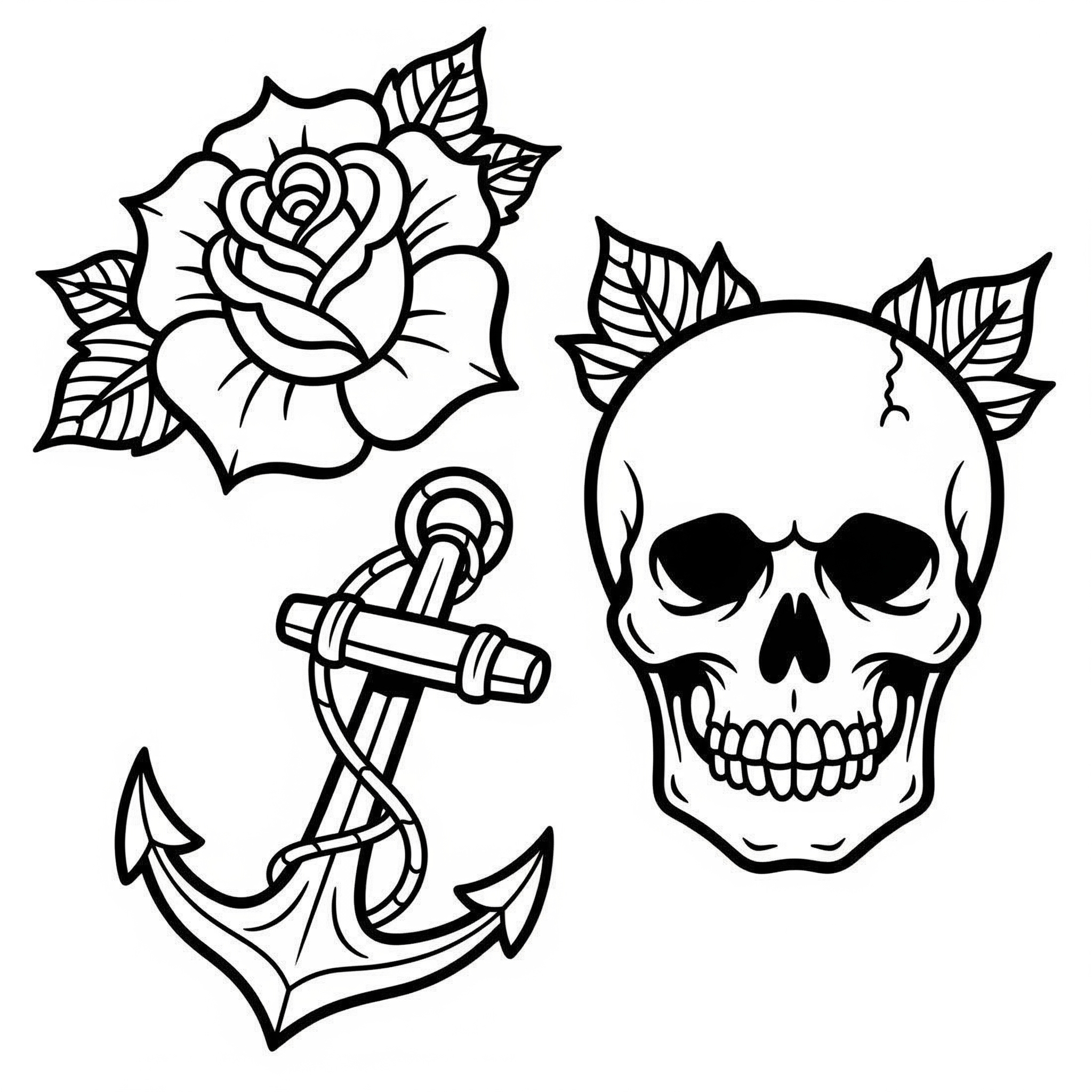
Tattoos have been around forever, but nothing quite screams classic like traditional old school designs. Think bold lines, bright colors, and those iconic images that make you say, “Yep, that’s a tattoo.” We’re diving into the basics of this timeless style that’s been turning heads since sailors first inked their stories at sea.
Materials and Tools Needed for Traditional Tattooing
Crafting traditional old school tattoos demands a precise set of materials and tools. Gathering the right equipment ensures each bold line and vibrant color comes to life flawlessly.
Essential Tattoo Equipment
We gather the following to ink classic designs:
- Tattoo machine: Coil type for crisp, solid lines
- Power supply: Adjustable voltage for consistent flow
- Clip cords and foot pedal: Hands-free machine control
- Tattoo grips and tips: Various sizes for line and shading work
- Stencil paper and transfer solution: To transfer designs onto skin perfectly
Traditional Tattoo Inks and Needles
We select inks and needles that deliver signature boldness:
- Inks: High-pigmentation, waterproof colors like black, red, green, yellow, and blue for that iconic old school palette
- Needles: Groupings of liners (3-9 needles) for bold outlines and shaders (5-15 needles) for smooth color fills
Safety and Hygiene Essentials
We prioritize safety for sharp work and clean skin:
- Disposable gloves: Nitrile preferred to prevent allergies
- Single-use needles and tubes: To avoid cross-contamination
- Antiseptic wipes and green soap: Skin prep and cleaning during sessions
- Barrier films and covers: Protect equipment and surfaces
- Sharps container: Proper disposal of used needles
Collecting these trusted materials underpins every stellar traditional tattoo we create.
Understanding Traditional Old School Tattoo Design Elements
Grasping the core elements of traditional old school tattoo design sharpens our skills and enriches our creativity. These classic components pack a punch that keeps the style as fresh as ever.
Iconic Motifs and Symbols
Anchor, swallow, rose, skull, and sparrow stand tall as the reigning champions of traditional designs. Anchor symbolized stability for sailors, while swallow hinted at safe journeys home. Rose added romance but without the cliché, and skull reminded us mortality doesn’t mess around. Sparrow represented freedom and loyalty proving even old tattoos had a flair for drama.
Common Color Palettes and Their Meanings
Red, green, yellow, black, and blue dominate the palette. Red signified passion and courage, green mirrored nature and renewal, yellow brought cheer and optimism, black outlined strength and durability, and blue captured loyalty and calm waters. Each color shouts its meaning loudly but complemented by its buddies in a package that lasts through wear and time.
| Color | Meaning |
|---|---|
| Red | Passion, Courage |
| Green | Nature, Renewal |
| Yellow | Cheer, Optimism |
| Black | Strength, Durability |
| Blue | Loyalty, Calm |
Bold Outlines and Shading Techniques
Bold outlines anchor the design visually and make it pop against any skin tone. These thick black borders define shapes immediately and resist fading or smudging. Shading uses simple gradients and solid fills applied with flat or round needles, creating depth without fuss. We embrace minimal flair keeping it clean and striking, so the eye never gets bored and the tattoo keeps talking loud and proud.
Step-by-Step Guide to Creating Traditional Old School Tattoo Designs
Mastering traditional old school tattoo designs requires a mix of research, creativity, precision, and preparation. Let us break down the essential steps for crafting these classic beauties.
Research and Inspiration Gathering
Begin by diving into the rich history of old school tattoos. Collect references like images of anchors, swallows, roses, skulls, and sparrows from vintage tattoo flash sheets, maritime art, or museum archives. Study color palettes focusing on reds, greens, yellows, blacks, and blues, because nothing screams traditional like those bold hues. Gather 10 to 15 different designs or elements to blend authenticity with originality.
Sketching Basic Design Concepts
Start sketching with simple pencil sketches emphasizing bold outlines and iconic motifs. Draw several versions varying in composition and scale, aiming for 3 to 5 rough concepts that highlight clear shapes and recognizable symbols. Use thick line techniques in your rough drafts to simulate the visual punch of traditional tattooing. Avoid overcrowding, because simplicity is your secret weapon here.
Refining and Finalizing the Design
Select the strongest sketch and enhance line work using black ink or digital inking tools to sharpen edges. Add classic shading using solid color blocks or simple gradients in reds, yellows, and greens, while keeping the color saturation high. Focus on symmetry and balance, as tradition demands harmony between elements. Prepare the artwork on a clean white background at 300 dpi resolution to ensure print and stencil clarity.
Preparing the Stencil for Tattooing
Transfer the finalized design onto stencil paper using a thermal copier or hand-trace with stencil transfer solution. Test placement on the client’s skin using a water-soluble stencil to ensure alignment and size accuracy. Place emphasis on clean lines in the stencil to help the tattoo machine follow without hiccups. Set up your workstation with sterilized materials and proper lighting to maintain hygiene and precision before starting the tattooing session.
Techniques for Applying Traditional Old School Tattoos
Mastering traditional old school tattoos demands precision and flair. Let us dive into the key techniques behind those bold outlines, vibrant fills, and consistent saturation that make these designs pop.
Line Work Techniques for Bold Outlines
Bold outlines define the classic traditional tattoo look. Start by setting the machine to a slower speed to control each line with surgical precision. Use a round liner needle grouping—commonly 9 to 14 needles—to create thick, uniform outlines. Keep your hand steady and pull the skin taut to avoid shaky or uneven lines. Work in smooth, continuous strokes instead of jerky moves; each bold line should look confident enough to tell its own story.
Color Filling and Shading Methods
Filling colors and shading bring old school tattoos to life with punchy vibrancy. Opt for solid color fills by layering ink with a magnum needle, moving the machine in tight circular motions to avoid patchiness. When shading, use a lighter touch and smaller needle groupings to create subtle gradients without muddying the design. Stick to the classic palette—red, green, yellow, blue each gets applied evenly to keep that iconic look crisp and fresh.
Maintaining Consistent Saturation
Consistent saturation guarantees your traditional tattoo ages like a fine wine, not a dried-out raisin. Reload needles frequently to prevent ink starvation, which causes uneven patches. Dip the needle fully and wipe excess lightly, allowing the pigment to deposit densely but not oversaturate the skin. Adjust your hand speed depending on skin elasticity—slower on tougher areas and quicker on sensitive spots—to maintain uniform ink distribution across the design.
Tips for Beginners in Traditional Tattoo Design
Getting the hang of traditional tattoo design basics can be a wild ride, but following these straightforward tips keeps us on track without losing our ink mojo.
How to Master Bold Line Work
Start with a round liner needle and dial down the machine speed for steady control. Draw thick uniform outlines by steadying your hand and moving consistently. Avoid rushing because shaky lines ruin that classic old school vibe. Practice drawing anchors, swallows, or roses repeatedly until all your lines snap cleaner than a tattoo gun’s click.
Choosing the Right Color Combinations
Focus on the classic palette—red, green, yellow, black, and blue each pack a punch of meaning and vibrancy. Mix red for passion, green for nature’s touch, yellow for sunny optimism, black for bold strength, and blue for loyalty’s calm. Pick two or three colors maximum per design to keep it simple and striking rather than a circus tent explosion.
Practicing on Artificial Skin or Canvas
Use synthetic skin or canvases like practice pads to sharpen skills before the real deal. Work on line thickness and color fills repeatedly on these surfaces because real skin doesn’t forgive first-time mistakes like art class did. Experiment with needle pressure and ink saturation until your confidence flows smoother than your ink lines.
Common Mistakes and How to Avoid Them
Traditional old school tattoo designs thrive on simplicity and boldness. Avoiding common pitfalls keeps our work sharp and timeless.
Overcomplicating the Design
Simplifying beats cluttering every time. Traditional tattoos depend on clean, bold imagery rather than fine details. Cramming too many elements confuses the eye and dilutes impact. We prioritize iconic symbols like anchors or roses instead of sprawling compositions. If complexity sneaks in, the design loses that classic punch.
Uneven Line Work and Color Saturation
Consistency makes the design pop or flop. Uneven lines create a shaky vibe, while patchy color ruins the bold effect. We maintain steady hand speed and machine settings to ensure thick uniform outlines and saturated fills. Practicing on synthetic skin builds control and tuning needle depth helps avoid blowouts or fading. Remember: bold lines with consistent color equal head-turning tattoos.
Ignoring Proper Skin Preparation
Skipping skin prep sabotages tattoo longevity and client comfort. We cleanse and shave the area thoroughly then apply disinfectant to reduce infection risk. Dry skin resists ink and causes patchiness so moisturizing beforehand improves saturation. Failing to prep skin wastes all our artistic effort and tests client patience. Clean smooth skin is the canvas every masterpiece deserves.
Troubleshooting and Fixing Design Issues
Sometimes traditional old school tattoo designs throw a curveball at us. Tackling line work errors and faded colors keeps our tattoos looking sharp and vibrant.
Correcting Line Work Errors
Bold lines define traditional tattoos but uneven or shaky outlines spoil the effect. Redrawing thick lines with a round liner needle using steady hand speed restores crispness. Tracing over shaky or broken lines while keeping machine speed slow helps regain uniform thickness. If crosshatching or stray marks appear, carefully shading around errors blends them into the design. Avoid pressing too hard or rushing or lines become blotchy. Treat your line work like a boss demands precision—not a toddler wielding a crayon.
Reviving Faded Colors in Old Tattoos
Colors fade when the sun and time team up against us. Touching up old traditional tattoos with high-pigmentation inks brings back the punchy reds, greens, and blues. Reapplying solid fills using a magnum needle layer by layer restores vibrancy. Lighter shading techniques soften transitions and correct patchiness. Ensure consistent saturation during touch-ups so colors won’t ghost prematurely. Protect clients from future fading by recommending regular sunscreen application. If the color won’t brighten, consider incorporating new elements that complement the existing palette without losing that vintage vibe.
Conclusion
Old school tattoo designs aren’t just ink on skin—they’re stories, symbols, and a splash of vintage cool all rolled into one. Getting those bold lines and vibrant colors just right takes skill, patience, and maybe a little bit of caffeine.
Whether you’re a newbie or a seasoned artist, embracing the basics keeps the tradition alive and your tattoos looking fresh for decades. So let’s keep those anchors steady, roses blooming, and sparrows soaring—because classic never goes out of style.
Frequently Asked Questions
What defines traditional old school tattoo designs?
Traditional old school tattoos are characterized by bold black outlines, bright, solid colors, and iconic motifs like anchors, roses, swallows, and skulls. This style originated with sailors and emphasizes simplicity and strong visuals.
What materials are essential for creating old school tattoos?
Key materials include a coil tattoo machine for sharp lines, high-pigmentation inks, round liner needles for outlines, magnum needles for shading and fills, disposable gloves, single-use needles, and proper cleaning supplies for hygiene.
What are the common motifs in old school tattoos and their meanings?
Popular motifs include anchors (stability), swallows and sparrows (safe journeys and freedom), roses (romance), and skulls (mortality), each carrying symbolic significance rooted in maritime culture and personal storytelling.
Which colors are typically used in old school tattoo designs?
The classic palette includes red, green, yellow, black, and blue. These colors convey emotions like passion, nature, optimism, strength, and loyalty, maintaining the style’s vibrant and eye-catching appeal.
How do you achieve bold outlines and vibrant color saturation?
Bold outlines are created using round liner needles at a slower machine speed for precision, while vibrant fills use magnum needles with consistent saturation, achieved by proper needle reloading and hand speed based on skin elasticity.
What steps should beginners follow to create traditional old school tattoos?
Beginners should start by practicing bold line work with round liner needles, use classic color combos, study vintage tattoo references, and practice on synthetic skin before tattooing real clients.
What common mistakes should be avoided in traditional tattoo design?
Avoid overcomplicating designs, uneven line work, inconsistent color saturation, and poor skin preparation, as these issues reduce the visual impact and longevity of tattoos.
How can tattoo artists fix design issues in old school tattoos?
Correct line work by carefully retracing uneven outlines, revitalize faded colors with high-pigmentation ink touch-ups, apply layered fills, and protect tattoos using regular sunscreen and thoughtful design additions.
Why is hygiene important when tattooing traditional designs?
Proper hygiene with disposable gloves, single-use needles, and disinfectants ensures client safety, prevents infections, and maintains the quality and longevity of the tattoo.
Where can artists find inspiration for traditional old school tattoo designs?
Artists can explore vintage tattoo flash sheets, maritime art, and historical references related to sailor culture to gather authentic and inspiring design ideas.